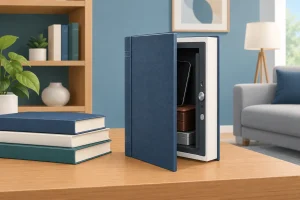


Most people do not shop for a stun gun, pepper spray, or a door alarm because it sounds fun. They shop because something happened – a close call in a parking lot, a break-in down the street, a new work schedule that ends after dark, or a parent who lives alone.
That is why customer testimonials for security products hit different. They are not about showing off a feature list. They are about hearing, from a real person, what changed when they started carrying protection or shoring up their home. And for shoppers who are serious about safety, those first-person details often answer the question that matters most: will this work when I actually need it?
Security is a high-stakes category. If a coffee maker disappoints you, you return it and move on. If a self-defense tool fails in a scary moment, the cost is much higher. That reality makes buyers cautious, and it also makes them hungry for proof.
A solid testimonial does three jobs at once. First, it lowers uncertainty by showing the product in a real setting, not a staged one. Second, it helps a buyer picture themselves using it – how it feels in the hand, how loud the alarm is, how quickly it deploys. Third, it confirms that other people with similar concerns made the purchase and felt more in control afterward.
There is a trade-off here. Testimonials are powerful, but they can create unrealistic expectations if they are too dramatic or too vague. The best ones feel grounded: specific enough to be believable, and honest about what the product can and cannot do.
If you are collecting reviews or deciding which ones to highlight, look for the ones that include context. Not just “works great,” but “works great when…”
A useful testimonial usually includes a quick snapshot of the person’s situation. Maybe they are a rideshare driver who parks in unfamiliar areas, a college student walking from night classes, or a homeowner who travels for work. When the reader sees a familiar scenario, trust builds fast.
Then it gets concrete. For example, a review that mentions a safety light being bright enough to scan a driveway, or a window alarm being loud enough to wake the household, tells you something you can use. It answers practical questions buyers are already asking themselves.
Finally, the best testimonials describe confidence, not fantasy. A personal security product is not a superhero cape. It is a tool that helps you create distance, draw attention, or buy time. Reviews that stick to that reality feel more credible, and credibility is what converts.
Most buyers are not reading testimonials to be entertained. They are trying to reduce risk and avoid regret. In this category, they tend to scan for a few themes.
They want to know if the product is easy to carry and access under stress. A tactical pen that looks great but feels slippery, or a keychain tool that is awkward to draw, is a problem. Reviews that mention pockets, purses, glove boxes, and key rings are gold because they speak to real habits.
They want to know if it works as expected, with no surprises. Pepper spray reviews might mention the safety cap, the direction of the actuator, or whether the size feels manageable. Home security reviews often talk about installation, battery life, and false alarms.
They also want to know if it fits their comfort level. Some people want a loud, attention-grabbing alarm. Others prefer discreet tools that do not announce themselves. Testimonials help shoppers choose based on personality and environment, not just specs.
Believability is not about perfect grammar. It is about specificity.
When a customer mentions how the grip feels, how a stun baton’s flashlight helps on nighttime walks, or how a dummy camera changed the vibe of a front porch, that is the kind of detail you cannot fake easily. Even small notes – like “I practiced activating it a few times so I would not fumble” – signal a real person making a real safety decision.
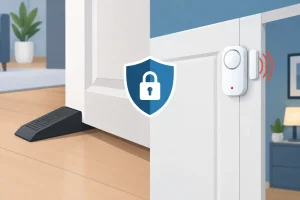
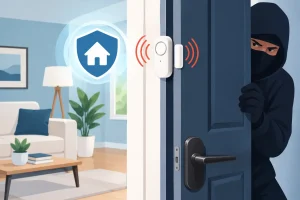
It also helps when testimonials include light limitations. A review that says “the alarm is loud, but you need to place it correctly so the sensor catches the door movement” feels honest. People trust a review more when it acknowledges that safety tools still require basic setup, practice, and awareness.
Security marketing has a responsibility problem. Fear sells, but it can also cross the line into manipulation. Testimonials should support informed decisions, not panic buying.
Be careful with reviews that imply guaranteed outcomes, like “this will stop anyone” or “you will never be attacked.” Real protection is layered: awareness, habits, and tools working together. The strongest brands use testimonials to show how products help people prepare, not to promise that danger disappears.
There is also a privacy angle. Many customers do not want their full name attached to a story about feeling vulnerable. Initials, first names only, and location-only identifiers can protect the customer while keeping the review credible.
A review section at the bottom is a start, but it is not always where shoppers make decisions. People buying safety products often bounce between pages quickly, comparing options and pricing.
Testimonials tend to perform best when they appear near the decision points: close to the “add to cart” area, near sizing or carry details, and near key setup instructions. If a product requires a simple step, like testing a door alarm or practicing a safety switch, a testimonial that confirms “setup took me five minutes” can stop hesitation.
For bundles or “one-stop shop” carts – where someone buys pepper spray, a safety light, and window alarms together – a short testimonial about building a layered plan can help buyers feel smart, not impulsive.
Not every shopper needs the same message. Some are buying for themselves. Others are buying for a spouse, a parent, or a college student.
A testimonial about “I carry this on my keychain every day” works for the self-buyer who wants a habit-friendly tool. A testimonial like “I bought this for my daughter and we practiced together” speaks to gift buyers and caregivers.
Home security products often split between renters and homeowners. Renters care about easy installation and no damage. Homeowners care about coverage, visibility, and deterrence. If you have reviews that clearly speak to one group, label or highlight them so the right reader finds them quickly.
If you want high-quality customer testimonials for security products, you have to ask for the right information. Most customers will default to short praise unless you guide them.
A simple post-purchase request can prompt specifics: where they keep the product, whether it was easy to set up, how it fits into their routine, and what they would tell a friend who is on the fence. Those prompts give customers permission to share practical details without feeling like they need to write a dramatic story.
Do not over-incentivize. Huge rewards can make reviews feel bought, and shoppers will pick up on that. A small thank-you or a modest discount for future purchases can be fine, but the tone should stay respectful. In safety, trust is the whole game.
If you are the customer, you can use testimonials to make a stronger decision fast.
Start by filtering for the reviews that match your situation. Look for a similar environment: city parking garages, suburban neighborhoods, hiking trails, apartment hallways. Then focus on operational details. Does the person mention practicing with the device? Do they mention how they carry it? Do they mention what surprised them?
Watch out for two extremes. Reviews that are only hype, with no context, do not teach you anything. Reviews that are pure fear, with sweeping claims, can be emotionally persuasive but not practical. The reviews that help you buy wisely usually sit in the middle: calm, specific, and focused on how the product supports a safer routine.
Testimonials are most valuable when they reinforce a bigger truth: personal and home security is a set of choices you make ahead of time.
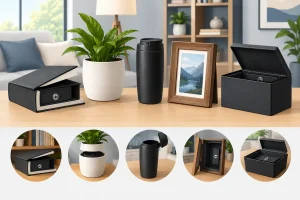
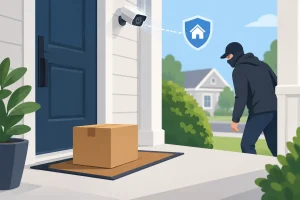
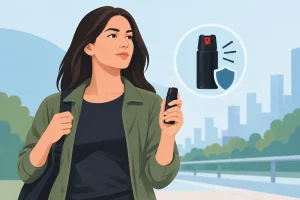
Maybe that means carrying pepper spray and a safety light when you walk the dog at night. Maybe it means adding door and window alarms, a diversion safe for valuables, and a visible deterrent like a dummy camera. Maybe it means keeping a self-defense tool accessible and practicing how to use it, so you are not learning under pressure.
If you are looking for a wide range of personal and home security gear in one place, Elite Warrior Defense is built around that practical, ready-for-real-life mindset.
The point is not to collect gadgets. The point is to build calm, repeatable habits – and to choose tools that support those habits.
The best testimonial you can read is the one that makes you think, “That sounds like my life.” Then you take the next step: pick the right tool, practice with it, and move through your day a little more confident because you planned ahead.
YOU’RE IN!
Use this code on every order
🎉
Here’s Your Code!
Use it now an on every future order.
YOUR DISCOUNT CODE
We also sent this code to your email for safekeeping.
EXCLUSIVE OFFER
Every order – not just your first!
Unlock Your Discount Instantly
Enter your email below and your personal 15% discount code appears right here – no need to check your inbox.
🔒 We respect your privacy. Unsubscribe anytime.