
Most emergencies don’t announce themselves with a clear start time. They show up as a loud bang outside, a fast-moving weather alert, a power outage that doesn’t come back, or a stranger testing your front door at the worst possible hour. When that happens, you don’t rise to your best intentions – you fall to whatever you practiced and whatever you already set up.
That’s why the top emergency preparedness tips aren’t about owning a mountain of gear. They’re about reducing decision-making when your brain is under pressure. A good plan keeps you calm. A few smart supplies keep you moving. And basic security habits keep a stressful situation from turning into a dangerous one.
Preparedness is personal. Your plan for a studio apartment in a city is different from a rural home with a long driveway. But the fundamentals are consistent: cover the first 72 hours, protect your home, and make sure the people you care about can reach each other.
If you try to prepare for everything at once, you’ll prepare for nothing. Pick the most likely issue where you live – severe storms, wildfires, extreme heat, winter ice, earthquakes, extended power outages – and build a simple plan around it. Then reuse that plan for other events.
For example, a “power out for 48 hours” setup covers a lot. It forces you to think about water, light, food, charging, heat or cooling, and how you’ll secure doors and windows when the neighborhood is dark.
Almost every emergency comes down to two options: shelter in place or evacuate. Your job is to remove uncertainty ahead of time.
Shelter plans work best when roads are risky, the threat is outside, or conditions change fast. Evacuation plans work best when you have time, a clear route, and a safer destination.
The trade-off is real. Leaving too early can put you in traffic jams and stress you out. Leaving too late can trap you. A strong plan is not “always stay” or “always go.” It’s knowing what signals trigger each choice for your household.
When cell networks get slammed, complicated plans collapse. Keep yours simple.
Choose one out-of-town contact everyone can call or text. Out-of-town contacts often work better because local lines get overloaded. Agree on one backup method if calls fail – text, voicemail, or a messaging app you already use.
Also write down key numbers on paper. If your phone dies or gets lost, your contacts list goes with it.
Pick two meetup spots: one near home and one outside your neighborhood. “Near home” could be a specific neighbor’s front porch. “Outside the neighborhood” could be a familiar landmark like a library parking lot or a family member’s house.
Here’s the honest part: a meeting point only works if people can remember it under stress. Choose places you visit often. Keep them easy.
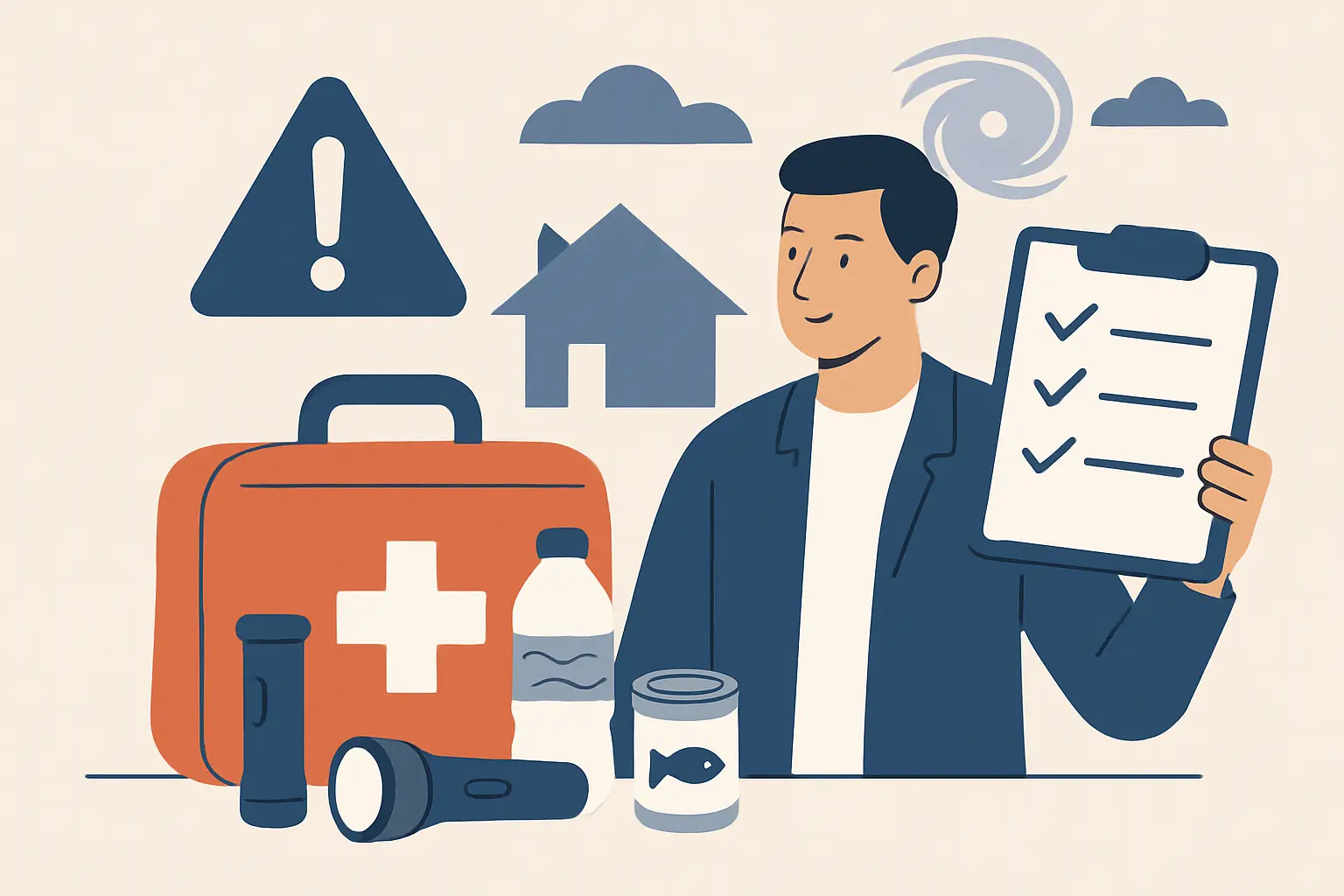
A 72-hour kit is your buffer. It buys time while services are delayed, stores are empty, or your normal routine is broken.
If you do nothing else, solve water. A solid target is one gallon per person per day for at least three days, more if you live in hot climates or have pets.
Stored water is simple and dependable, but it takes space. If storage is hard, add a water filter or purification method. The best approach is both: some stored water for immediate use and a way to make more if the situation stretches out.
Start with foods you can eat without cooking. Power outages and evacuations don’t care about your pantry plans.
Think shelf-stable items that match your diet and won’t wreck your stomach under stress. Rotate them into normal use so nothing expires quietly in a closet.
You need light that doesn’t depend on a phone flashlight. Keep a reliable flashlight and extra batteries in the same place every time.
For charging, a small power bank is a practical baseline. If you rely on medical devices, your backup power plan needs more attention. That’s a “don’t guess” category – talk to your healthcare provider and map out what happens if power is out for longer than expected.
A first aid kit is essential, but don’t build it like you’re prepping for a movie scene. You’re more likely to deal with cuts, burns, sprains, headaches, allergies, and prescription interruptions.
If you or someone in your home takes daily medication, work on a refill buffer when possible. Even a few extra days can make a massive difference.
ATMs and card readers fail. Keep a small amount of cash in small bills.
Also keep copies of key documents in a waterproof bag – IDs, insurance, prescriptions, and emergency contacts. Digital copies are helpful, but only if you can access them.
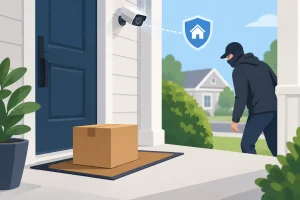
Emergencies create opportunity for criminals. Not because everyone turns bad, but because chaos lowers risk for people who already planned to do harm. Your goal is to make your home a hard target and to give yourself options.
Most break-ins aren’t tactical. They’re quick. Start with the basics: solid locks, well-lit entryways, and doors that don’t feel flimsy.
If you rent and can’t change much, focus on what you can control: keep windows secured, use simple alarms, and don’t advertise when you’re away.
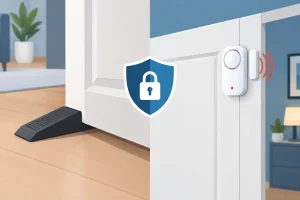
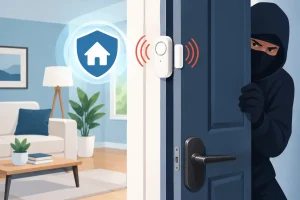
A visible deterrent can stop the problem before it starts. Dummy cameras can help, but only if they look believable and are placed intelligently. Simple door and window alarms add a second layer – they give you a loud heads-up before someone is already inside.
The trade-off with alarms is false triggers. That’s not a reason to avoid them. It’s a reason to test placement and teach your household how to arm and disarm them quickly.
Emergency preparedness isn’t just supplies. It’s your ability to protect yourself if you have to leave home, check on a neighbor, or answer the door when your senses are already on edge.
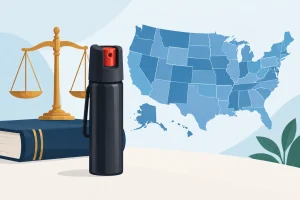
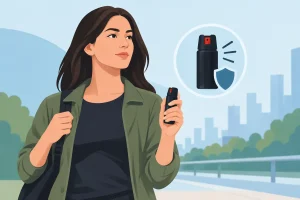
Non-lethal self-defense tools like pepper spray, stun devices, and tactical pens can be part of a responsible plan when you know your local laws, you train on safe handling, and you store them so they’re accessible to adults but not children.
If you decide to add tools like these, use gear you can operate under stress. Simple beats complicated. Practice beats hope. For safety products and home security basics, some households choose a one-stop shop like Elite Warrior Defense so everything is easy to compare and straightforward to replace.
Even people who store supplies well fail at the moment of action because everything is scattered.
A go-bag should be grab-ready and realistic to carry. If it’s too heavy, it won’t go with you. Keep it where you can reach it fast – not buried in a closet behind holiday decorations.
If you have kids, build their bag around comfort and continuity as much as survival. A familiar snack, a small game, or a printed family contact sheet reduces panic and makes the whole situation easier.
You don’t want to remember shoes, coats, keys, and flashlights while you’re already stressed. Create an “exit shelf” or bin near the door with the items you always need.
If you live in an area with fast evacuation risks like wildfires, consider keeping your car fuel above half a tank. It’s a small habit that prevents a big problem.
Supplies don’t make decisions. People do.
During an emergency, someone should be responsible for contacting family, someone for grabbing the go-bags, someone for pets, and someone for shutting off utilities if needed and safe.
If you live alone, your “roles” become checklists. That still matters because it reduces mental load.
Drills don’t need to be intense. Run a 10-minute “power out” drill where you locate flashlights, confirm your backup charger works, and check your water.
Do an “out of the house in three minutes” drill once in a while. Time it. You’ll find the bottlenecks fast, and fixing them is usually easy.
Sign up for local emergency alerts if your area offers them. But don’t rely on alerts as your only trigger. Storms move. Fires jump. Sometimes you’re the first person to notice a problem.
Also plan for the quiet emergencies: a medical event, a break-in attempt, a gas smell, a carbon monoxide alarm. Those are the situations where seconds count and confusion is expensive.
Preparedness should not wreck your budget. Build in layers.
Start by improving what you already have. Use your existing backpack as a go-bag. Store water in food-safe containers you can afford. Add one small upgrade each month: a better flashlight, a power bank, extra batteries, a door alarm.
What matters most is consistency. A modest kit that’s organized, rotated, and understood by your household will outperform an expensive kit that’s forgotten.
The final test is simple: if something happened tonight, could you move with confidence instead of rushing in circles? Take one step today that makes tomorrow calmer. Your future self will feel it the moment it counts.
YOU’RE IN!
Use this code on every order
🎉
Here’s Your Code!
Use it now an on every future order.
YOUR DISCOUNT CODE
We also sent this code to your email for safekeeping.
EXCLUSIVE OFFER
Every order – not just your first!
Unlock Your Discount Instantly
Enter your email below and your personal 15% discount code appears right here – no need to check your inbox.
🔒 We respect your privacy. Unsubscribe anytime.