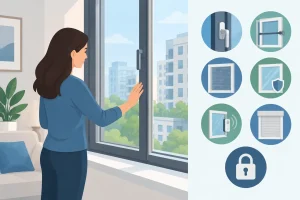

If you have ever had a door not quite latch, a ground-floor window that makes you uneasy at night, or a kid who can open a back door faster than you can blink, you already understand the point of a door or window alarm. It is not about turning your home into a fortress. It is about buying yourself time, attention, and control when something moves that should not.
This door window alarm review is written for people who want practical protection without contracts, complicated installs, or a full smart-home overhaul. These little alarms are simple by design. That simplicity is the reason they work for so many households, and also the reason you need to choose carefully.
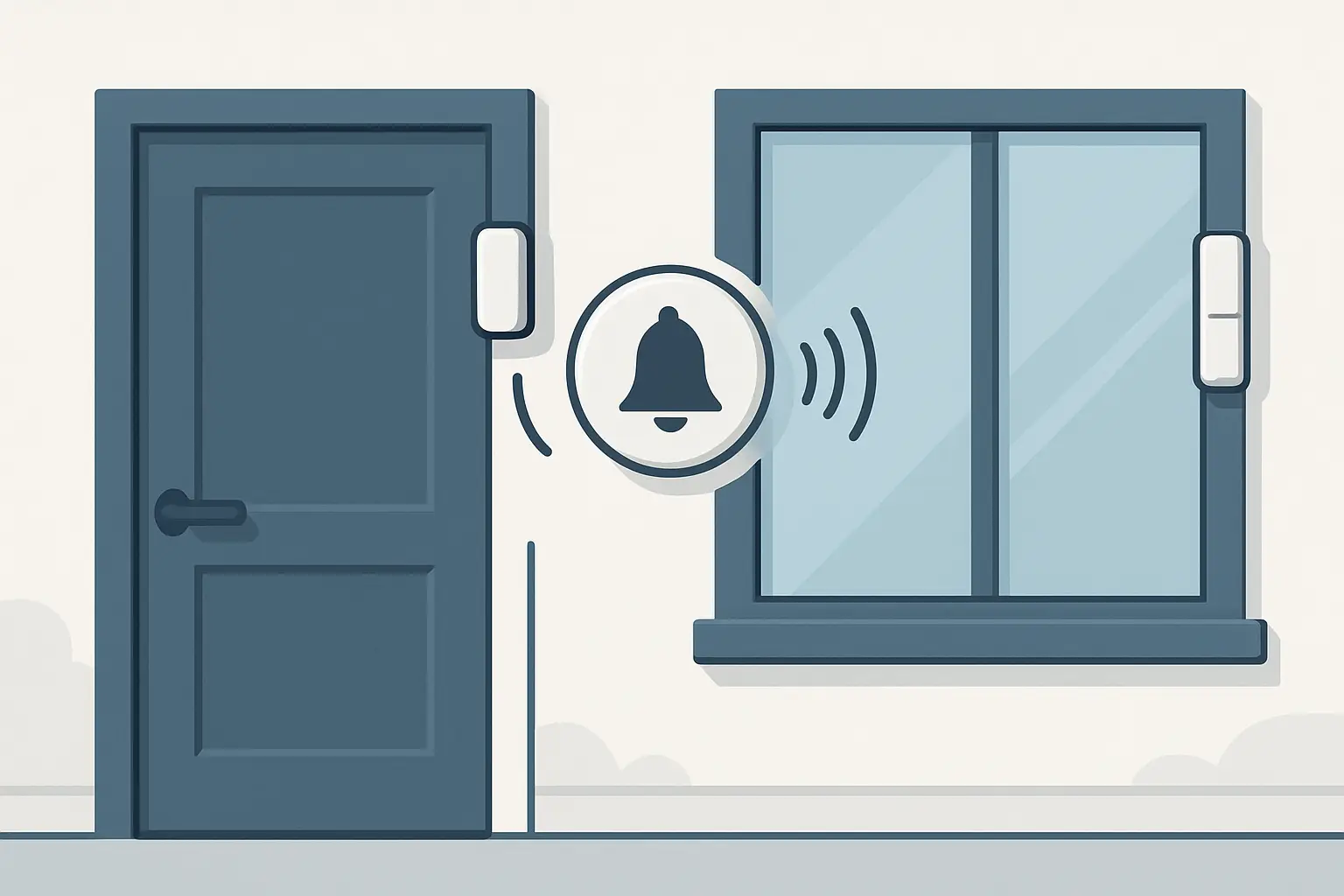
A typical door/window alarm is a two-piece setup: the alarm body and a magnet. When the door or window opens, the pieces separate and the alarm screams. That sound is the whole strategy.
First, it startles and often stops a casual intruder who expected a quiet entry. Second, it alerts you and everyone nearby immediately. Third, it forces a decision point: you can grab your phone, move loved ones to a safe room, turn on lights, or prepare to defend yourself. Time matters, and a loud alarm can create it.
Some models add a key switch, remote, or chime mode. Chime is underrated: it is not just for storefronts. It is for knowing when a side door opens while you are in the shower, when a toddler slips toward the patio, or when an aging parent wanders at night.
The best thing about door/window alarms is that they do not require permission from anyone. No monitoring plan. No installer. No waiting.
They are also low-risk. If you do not like how one works on a particular window, you move it. If you rent, you can usually use adhesive mounting and remove it later. If you travel, you can pack one for a hotel room or a vacation rental.
And when the goal is deterrence, volume is power. Many compact alarms are loud enough to wake you up and loud enough to make someone regret trying your home.
An honest review has to say it clearly: these alarms do not call the police. They do not verify a break-in. They do not lock a door. They do not stop someone determined.
They are best at preventing the quiet, easy win. If an intruder is willing to smash a window or kick a door, the noise was happening either way. Your alarm still helps by alerting you faster, but it is not a magic shield.
False alarms are the other trade-off. A loose magnet alignment, a door that rattles in the frame, or a window that slides with vibration can trigger an alarm when you least want it. You want an alarm that is loud in an emergency, not one that trains you to ignore it.
Most people shop by price or volume rating. That is understandable, but it is not enough. Here is what actually decides whether you will be happy with an alarm in real life.
A piercing tone cuts through sleep and background noise better than a low buzz. If you have a big home, consider placing alarms where you sleep and where you enter, not just every possible window. Coverage is about hearing it, not only detecting it.
Battery-powered alarms are convenient, but you need a realistic plan to maintain them. Look for a design where you can access the battery without ripping the unit off the door frame. If it feels like a hassle, you will postpone it, and postponed maintenance becomes failure at the worst time.
Adhesive mounting is fast and renter-friendly. Screws are more secure and last longer, especially on high-use doors that get slammed. If you choose adhesive, prep the surface well and press firmly. Humidity, dust, and textured trim are common reasons adhesive mounts fail.
If an alarm is annoying to disarm, you will stop using it. A simple switch you can reach without a step stool is ideal. For a door used daily, quick arming is what makes the alarm part of your routine instead of a gadget you forget.
If your main concern is kids, caregiving, or awareness during the day, chime mode is a strong feature. It turns the alarm from a panic tool into an everyday safety tool.
Door and window alarms are a strong choice when you want immediate feedback at the point of entry.
They work especially well for apartments, dorm-style living, and rentals where you cannot change locks or install a hardwired system. They also fit people who want layered protection: lights, cameras, solid locks, and an alarm that gives instant noise.
They are also a practical answer for “soft spots” in the home. Maybe your garage entry door is out of sight from the living room. Maybe a basement window sits behind bushes. Maybe your back patio door is mostly glass. These are the kinds of openings that benefit most from an alarm that reacts instantly.
Installation is usually simple, but small mistakes are why people leave bad reviews.
Start by checking the door or window gap. The magnet needs to sit close enough to the sensor when closed. If the trim is uneven, you may need to shim slightly or choose a different mounting spot.
Then test with the door/window moving the way it moves in real life. Windows flex. Doors sag. If the magnet alignment is perfect only when you hold the door still, it is not perfect.
Finally, practice the routine. If it is a back door you use daily, decide when it gets armed. Many households arm at night and when leaving, and keep chime mode on during the day. That approach reduces false alarms while still giving you coverage when it matters most.
It depends on your layout and your risk tolerance.
If your primary goal is nighttime warning, start with the doors and the windows closest to bedrooms. If your primary goal is preventing sneak-outs or unsafe wandering, prioritize the doors that lead outside and any easily opened ground-level windows.
If you are trying to cover every single window, be careful. More sensors can mean more maintenance and more false triggers. Protection that gets turned off is not protection.
A door/window alarm is the simplest option: local sound, instant alert, no app required.
Smart sensors trade simplicity for convenience. They can send phone alerts and integrate with cameras or lights, but they rely on Wi-Fi, apps, and notifications that you might miss. They are powerful in the right setup, and frustrating in the wrong one.
Monitored systems add a response layer, but that comes with contracts, monthly costs, and sometimes more complicated installation. For some families, that is absolutely worth it. For others, the best plan is a strong lock, good lighting, a few cameras, and loud entry alarms where they count.
This is not an either/or decision. Many confident home security setups use a door/window alarm as the loud, immediate “tripwire,” even when other tech is in place.
The first mistake is relying on an alarm as your only defense. Use it as part of a plan: good exterior lighting, trimmed landscaping, solid door hardware, and a personal safety strategy.
The second mistake is putting alarms on every opening but not testing them. You want to know which ones you can hear from your bedroom, and you want to know how fast you can respond.
The third mistake is ignoring the human factor. If multiple people live in the home, everyone needs to know what the alarm means and what to do when it sounds. Panic comes from confusion. Confidence comes from a plan.
If you are building a straightforward security setup, it helps to shop with a company that understands layered protection, not just one gadget at a time. That is the mindset behind Veteran-owned Elite Warrior Defense, where door and window alarms sit alongside other practical tools meant to keep you aware and in control.
A good door/window alarm is not complicated. It is loud, reliable, and easy enough that you will actually use it. That is the standard.
If you want a simple way to know the moment a door or window opens, these alarms are worth it. Just be honest about the trade-offs: they buy you time and attention, not a guaranteed outcome.
Your home security does not have to be expensive to be serious. Start with the entry points that matter most, set them up correctly, and let that loud reminder do its job so you can do yours: protect what is yours with confidence.





YOU’RE IN!
Use this code on every order
🎉
Here’s Your Code!
Use it now an on every future order.
YOUR DISCOUNT CODE
We also sent this code to your email for safekeeping.
EXCLUSIVE OFFER
Every order – not just your first!
Unlock Your Discount Instantly
Enter your email below and your personal 15% discount code appears right here – no need to check your inbox.
🔒 We respect your privacy. Unsubscribe anytime.