

A diversion safe only works if it blends into your space so well that nobody gives it a second look. If you are figuring out how to hide a diversion safe, the goal is not to make it impossible to find. The goal is to make it too ordinary to notice during the few rushed minutes most intruders spend searching.
That difference matters. Most break-ins are fast, messy, and focused on easy wins like cash, jewelry, firearms, electronics, and prescription medication. A well-placed diversion safe takes advantage of that pattern. It does not rely on heavy steel and obvious locks. It relies on psychology, routine, and smart placement.
The first mistake people make is trying too hard. If your diversion safe is hidden in a bizarre location, it can actually draw more attention. A fake household item stashed behind ceiling tiles or buried under a stack of boxes may look less natural than one sitting in plain sight among similar everyday items.
The best hiding spot feels boring. It matches the room, fits the surrounding clutter, and does not look protected or important. If a can safe is meant to resemble pantry goods, it should sit with pantry goods. If it looks like a cleaning product, it belongs where cleaning supplies naturally live. The more your placement matches normal household behavior, the stronger your concealment.
There is also a trade-off between access and secrecy. A diversion safe hidden too deeply may stay secure, but it also becomes inconvenient when you need it quickly. For items like emergency cash, spare keys, or copies of critical documents, you want concealment that still allows fast access under stress.
A rushed intruder does not inspect every object in your home. They usually move toward predictable targets first – bedroom dressers, closets, bathroom medicine cabinets, home office drawers, and obvious lockboxes. That means the safest place for a diversion safe is often not the most hidden place. It is the place least likely to stand out during that fast search pattern.
This is why context beats creativity. A fake soda can in a garage workshop refrigerator might look strange. The same item in a kitchen pantry beside other canned goods can disappear instantly. A book safe in a living room bookshelf may work well if the shelf already holds mixed titles, family photos, and everyday clutter. The same safe on a minimalist shelf with only three decorative objects will look planted.
The strongest setup asks one simple question: if someone saw this item for two seconds, would it feel normal here?
In the kitchen, pantry-style diversion safes often perform well because kitchens are full of repetitive packaging. Food containers, coffee canisters, and household goods are visually easy to ignore. The key is avoiding prime search zones where valuables are rarely kept but where burglars still snoop, such as junk drawers or obvious small lockboxes. Instead, place the safe among similar items with realistic spacing and wear.
Bathrooms can work too, especially for safes disguised as hair products, shaving cream, or hygiene items. But this depends on the bathroom. A guest bathroom with almost no supplies is a weak choice because anything unusual stands out. A lived-in bathroom with ordinary daily-use items gives better cover.
The laundry room is often underrated. Detergent containers, stain removers, and utility products naturally look unimportant. It is not a room most people treat as a storage area for valuables, which helps. Still, keep the placement believable. A fake cleaning item should sit where a real one would sit, not by itself on a spotless shelf.
Garages and workshops can be strong options for diversion safes designed to resemble automotive or hardware products. These spaces usually have visual noise, which helps concealment. The downside is environmental wear. Heat, cold, dust, and moisture can affect what you store inside, so this location is better for durable items than sensitive papers or electronics.
Home offices and living rooms are more mixed. Book safes can work well, but only if your shelves look naturally used. A single pristine dictionary on an otherwise decorative shelf can become the first thing someone grabs. Blend matters more than the object itself.
Some locations feel clever but fail in the real world. The primary bedroom is one of them. Burglars often start there because people commonly keep cash, jewelry, and personal valuables nearby. If you place a diversion safe in that room, it needs to be especially convincing and especially well blended.
Another weak choice is anywhere that looks intentionally concealed. Under a mattress, taped behind drawers, inside a vent, or tucked in the back corner of a closet may sound secure, but those are classic hiding places. They attract attention because they suggest you are protecting something.
Do not put a diversion safe in a location that clashes with your habits. If your household never buys canned soup, a single soup can hidden in the pantry is not clever. It is suspicious. If you do not read physical books, a random thick hardcover in your room may look out of place to anyone paying attention.
Children’s rooms can also be a poor fit unless there is a strong reason and the item is safe to store there. Those rooms can be chaotic, which helps concealment, but they also invite frequent handling, cleaning, and rearranging.
A good diversion safe should match not just the room, but the lifestyle of the people living there. That means paying attention to brand consistency, wear patterns, and how objects are normally stored.
If the safe looks brand new while everything around it is worn, it may catch the eye. If it uses a product label your household never buys, that can weaken the illusion. If it is the only item standing upright while everything else is stacked, people notice that too.
This is where a lot of people get lazy. They buy the right type of diversion safe, then place it without considering the details that sell the disguise. Real concealment depends on the full picture. Position, surrounding objects, dust level, and normal household patterns all matter.
For many homeowners, the smartest move is to use a diversion safe that blends into an active area rather than a hidden one. Visibility can actually protect it when the item looks ordinary enough to disappear in plain sight.
Diversion safes are best for small, high-value essentials that benefit from discreet storage. Emergency cash, backup keys, copies of identification, spare memory cards, and small sentimental items are common choices. Some people also use them for compact personal security tools when lawful, practical, and stored responsibly.
That said, not every valuable belongs in a diversion safe. Large amounts of cash, irreplaceable legal documents, or items that require fire resistance and heavy burglary protection are better suited for a traditional safe. A diversion safe is a layer of security, not the only layer.
This matters because concealment can fail. Houseguests, contractors, cleaners, children, or even your own routine can expose the item over time. Think in terms of risk management. Store what benefits from discretion, but do not rely on disguise alone for your most critical assets.
One common mistake is overprotecting the area around the safe. People clear space around it, place it in the exact back corner, or keep touching and checking it. That behavior creates a visual cue that says this item matters.
Another mistake is choosing novelty over realism. The best diversion safes are not the most surprising ones. They are the most forgettable. If the disguise makes someone pause, you have already lost part of the advantage.
A third issue is telling too many people. The more family, friends, or visitors who know about your hiding method, the weaker it becomes. Security improves when access is limited and routines stay consistent.
Finally, people forget to reevaluate placement. Homes change. You reorganize the pantry, repaint the bathroom, replace shelves, or move to a new house. A good hiding spot today may look strange six months from now.
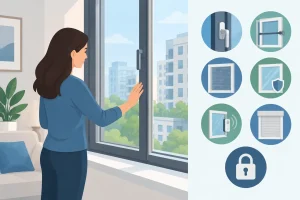
If you want stronger household security, a diversion safe should support a wider plan, not replace one. Layered protection works better. Door and window alarms, lighting, cameras, reinforced entry points, and smart storage choices each reduce risk in a different way. Elite Warrior Defense is built around that kind of practical mindset – simple tools that give you more control over your safety without overcomplicating your life.
When you decide how to hide a diversion safe, think less like a magician and more like a homeowner who understands patterns. Blend it into the room, match it to your habits, and avoid the urge to get cute with the hiding spot. The best placement is the one that looks so normal it never earns a second glance.








YOU’RE IN!
Use this code on every order
🎉
Here’s Your Code!
Use it now an on every future order.
YOUR DISCOUNT CODE
We also sent this code to your email for safekeeping.
EXCLUSIVE OFFER
Every order – not just your first!
Unlock Your Discount Instantly
Enter your email below and your personal 15% discount code appears right here – no need to check your inbox.
🔒 We respect your privacy. Unsubscribe anytime.