The parking garage is half empty. Your train pulls in late. Your rideshare drops you a block from home because of road construction. These are ordinary moments, not reasons to live in fear. Self defense for commuters is about having a plan for the transitions in your day, so an unexpected situation does not catch you distracted, unprepared, or without options.
The strongest personal safety habits are usually quiet and practical. They help you notice trouble early, avoid it when possible, and respond decisively if avoiding it is no longer an option. Your goal is not to win a confrontation. Your goal is to get home safely.
Self Defense for Commuters Starts Before You Leave
Preparation begins with your route, not with a self-defense tool. Know where you are going, how long it should take, and what your backup plan is if your bus is delayed, your car will not start, or your usual station entrance is closed. A few minutes of planning can prevent the rushed decisions that make commuters more vulnerable.
Keep your phone charged, but do not depend on it as your only safety measure. Battery life disappears, service drops, and phones can be lost or grabbed. Tell a trusted person when you are taking an unfamiliar route or arriving home later than usual. If you share your location, use it as one layer of awareness, not a substitute for paying attention yourself.
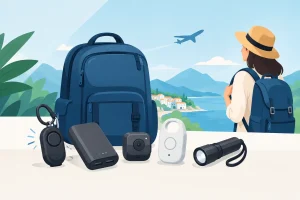
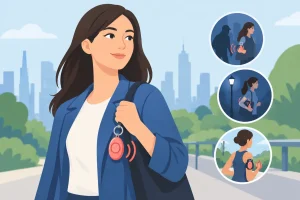
What you carry matters, too. Choose items you can reach quickly without digging through a crowded bag. A safety light can help you see a dark walkway and draw attention if needed. A personal alarm can create noise and pressure when someone is closing distance. Pepper spray, a stun device, or a tactical pen may offer another defensive option when carried legally and used responsibly.
Before carrying any self-defense product, check your state and local laws as well as transit, workplace, school, and building rules. Some locations restrict certain tools, even when they are legal elsewhere. Responsible preparedness means knowing both how a tool works and when you are permitted to carry it.
Stay Alert Without Living on Edge
Commuter safety is not about scanning every stranger as a threat. It is about recognizing behavior and surroundings that call for more distance or a quicker exit. Keep your head up when moving between your vehicle, station, stop, and destination. Headphones, scrolling, and carrying too many loose items can narrow your awareness at exactly the wrong time.
Trust discomfort when something feels off, but give yourself permission to act before you can explain it perfectly. If someone is watching you, following your movements, repeatedly entering your personal space, or trying to force conversation after you disengage, move toward people, staff, a well-lit business, or a more populated area. Change direction or cross the street if it helps confirm whether someone is tracking you.
Your body language can also set a boundary. Walk with purpose, keep your shoulders up, and avoid appearing absorbed in your phone. If you need to speak, use a firm, clear voice: “Stop.” “Back up.” “Do not follow me.” You do not owe a stranger politeness when they are ignoring your boundaries.
On public transit, choose a seat or standing position that gives you an exit path. Avoid getting boxed into an isolated corner or empty train car when another option exists. On a bus, sitting closer to the driver may be the smarter move. On a train platform, stay in visible areas and know where the emergency call boxes, cameras, staff, and other passengers are located.
Build a Carry Setup You Can Use Under Stress
A self-defense tool buried under a laptop, lunch container, and tangled charger is not ready when you need it. Place essential items in consistent, accessible locations. For many commuters, that means an outer bag pocket, a dedicated pocket on their body, or a keychain setup that can be reached without looking down.
Simplicity beats an overloaded bag. Your daily carry should fit your route, local rules, comfort level, and ability to use each item properly. Consider these practical layers:
- A charged phone and compact backup battery for communication and navigation.
- A bright safety light for dark sidewalks, garages, and attention-getting visibility.
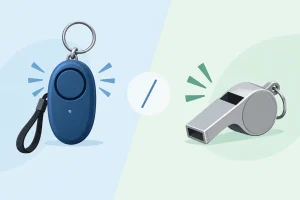
- A personal alarm for creating noise and drawing witnesses to a developing situation.
- A legally carried defensive tool, such as pepper spray or a stun device, that you have practiced accessing safely.
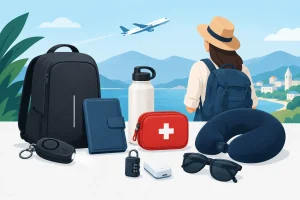
- A small first-aid supply for minor injuries, because preparedness includes everyday problems as well as personal security.
Practice matters more than people expect. With an inert training unit or an empty practice container where appropriate, rehearse reaching for the item while standing, walking, and seated in your vehicle. Learn the safety mechanism, direction of use, effective range, and storage requirements. Never test a defensive device on a person, animal, or in an unsafe enclosed environment.
The right tool depends on the commuter. Someone walking from a station at night may prioritize a high-lumen safety light and alarm. Someone driving long distances may want a compact emergency kit and a device kept within lawful reach. A parent commuting with children may focus on easy-to-use tools and a clear plan for moving everyone to safety. Elite Warrior Defense offers accessible security essentials designed to support practical readiness, but the best choice is always the one you can legally carry, confidently access, and safely use.
Safer Habits for Cars, Rideshares, and Parking Areas
Your commute may involve more time around vehicles than on sidewalks. When approaching your car, have your keys ready before you reach the door. Look around the vehicle and into the back seat before getting in. Once inside, lock the doors promptly and begin moving rather than sitting in a parked space while focused on messages.
If another driver follows you or behaves aggressively, do not drive home. Keep doors locked, avoid confrontation, and head toward a police station, fire station, busy gas station, or another public location. If you believe you are in immediate danger, call 911 when it is safe to do so. A vehicle can provide distance and escape, so use that advantage.
For rideshares, verify the vehicle, driver, and license plate through the app before entering. Ask the driver to confirm your name rather than offering it first. Sit in the back seat when possible, wear your seat belt, and share trip details with someone you trust on late rides. If the route changes without a clear reason or you feel unsafe, use the app’s safety features and request a stop in a populated place.
Parking lots and garages deserve extra attention because people are often distracted by bags, keys, weather, and fatigue. Stay in well-lit areas when you can. If you see someone lingering near your vehicle or feel uneasy, do not approach the car alone. Return to a staffed area, request an escort, or wait for other people to leave at the same time.
If Someone Confronts You
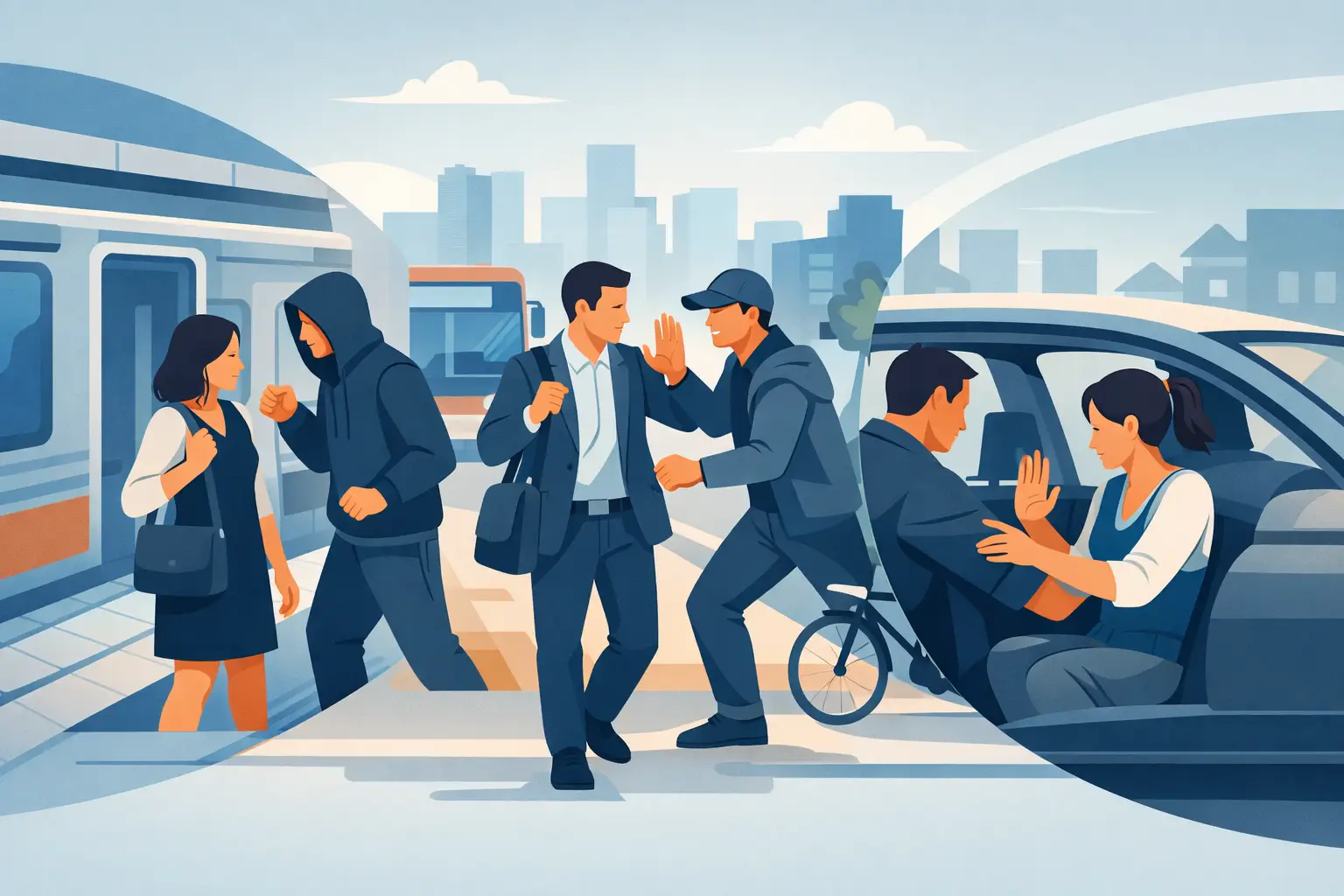
Distance, escape, and attention are your priorities. Move away from the person if you can. Put a barrier between you and them, such as a vehicle, gate, bench, counter, or group of people. Make noise early. A direct shout such as “Call 911!” is often more effective than a vague scream because it tells bystanders exactly what to do.
If physical contact becomes unavoidable, respond only to create an opportunity to escape. Use the skills and tools you have trained with, then leave immediately and get help. Do not remain to argue, retrieve property, or prove a point. Property can be replaced. Your safety cannot.
After reaching a safe place, call 911, seek medical attention if needed, and document what happened while details are fresh. Save relevant ride information, vehicle descriptions, time stamps, messages, or photos only if doing so does not put you at greater risk. Reporting suspicious or criminal conduct may also help protect the next commuter on that route.
Preparedness does not mean expecting the worst at every stop. It means giving yourself choices when the day takes an unexpected turn. Carry what you can use, trust your awareness, and make getting to safety your first and only mission.