The walk from a parking lot to your front door should not require fear, but it does deserve your attention. Personal safety is not about expecting the worst from every stranger or living on edge. It is about building calm, practical habits that give you more choices when something feels wrong.
Prepared people are harder to surprise. A charged phone, an aware mindset, a clear route home, and a tool you know how to use can turn a stressful moment into one you can leave quickly. The goal is always the same: create distance, get to safety, and contact help when needed.
Personal Safety Starts Before a Threat Appears
Most effective safety decisions happen well before an emergency. When you leave a store, finish work after dark, or head out for a run, take a few seconds to look up and assess your surroundings. Notice where people are standing, which areas are well lit, and where you could go if you needed help.
This is not paranoia. It is situational awareness, and it becomes easier with practice. Keep your head up instead of walking with your eyes fixed on a phone. If you wear headphones, keep the volume low enough to hear approaching vehicles, footsteps, or someone calling out. Trust the feeling that tells you to change direction, return to a public place, or wait for someone to walk with you.
Your instincts are useful, but they work best alongside a plan. Know where you parked. Have your keys ready before you reach the vehicle. Choose entrances that are visible and well lit. If an area feels off, do not debate whether you are being rude or overreacting. Move toward people, light, and a place where you can get assistance.
Build a Routine That Makes Safety Easier
A safety plan should fit your actual life. A commuter has different concerns than a college student, a dog walker, or someone who frequently travels for work. The right routine is the one you will follow consistently, not the most complicated one.
Start with the places you visit most: your home, vehicle, workplace, gym, campus, and regular errands. Consider how you enter and leave each location, especially after dark. Identify a trusted person you can call, a nearby business that stays open late, and an alternate route home if your usual one is blocked or uncomfortable.
Your phone can support your plan, but it should not be the entire plan. Keep it charged, enable emergency calling features, and make sure important contacts are easy to reach. At the same time, understand that batteries fail, service can be weak, and a phone may not be in your hand when you need it. Awareness and accessible safety tools provide another layer of readiness.
It also helps to establish check-in habits with the people close to you. A quick message when you arrive home, a shared travel plan, or a simple code word can make it easier to ask for help without explaining everything in the moment. These habits are especially useful for teens, older adults, and anyone living alone.
Choose Personal Safety Tools You Can Use Under Stress
Safety equipment is most useful when it is legal where you live, easy to access, and familiar in your hand. A tool buried at the bottom of a tote bag may offer less real protection than a simple option carried consistently in a pocket, on a keychain, or within easy reach in a vehicle.
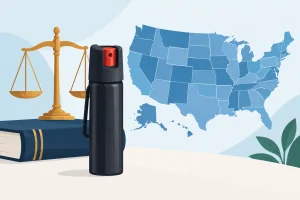
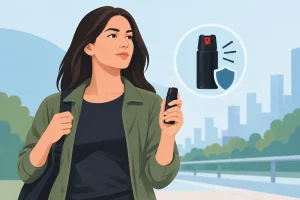
Pepper spray can help create valuable distance, but it requires care. Learn how its safety mechanism works, understand its range, and practice accessing it without spraying it. Wind direction, enclosed spaces, and close proximity can affect its use. Read the instructions and check local laws before carrying it.
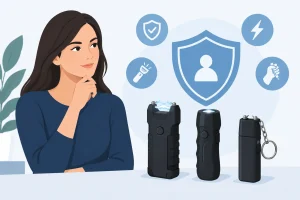
A safety alarm or safety light can also be a strong choice, particularly for people who prefer a non-contact option. A loud alarm can draw attention and interrupt an escalating situation. A bright light can help you see a dark path, locate a door lock, signal for help, or make it harder for someone to approach unnoticed.
Stun guns, tactical pens, self-defense keychains, and stun batons are other options that may fit certain needs, but they are not interchangeable. State and local restrictions vary, and every tool carries responsibility. Check the laws that apply to you and choose equipment you can operate confidently without fumbling. Elite Warrior Defense focuses on practical options so people can build protection around their daily routines without treating safety as an afterthought.
Whatever you carry, maintain it. Check expiration dates on pepper spray. Replace batteries when needed. Test alarms according to their instructions. Most importantly, do not assume ownership equals preparedness. Practice finding your tool while standing, sitting in your car, and walking with your normal bag or coat. The first time you use a safety device should not be during a high-stress moment.
Protect Your Space, Not Just Your Person
Personal safety extends to the place where you sleep, work, and store your belongings. Home security does not have to begin with an expensive system. Start with the basics: lock doors and windows, use exterior lighting, and avoid leaving spare keys in predictable hiding places.
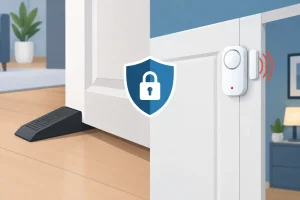
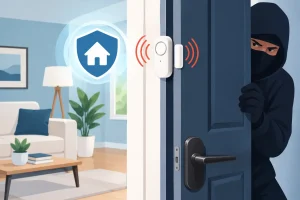
Door and window alarms offer a simple alert when an entry point opens. They can be particularly helpful for apartments, dorm rooms, rental homes, garages, and travel accommodations where permanent installation may not be possible. Hidden cameras and visible or dummy cameras can add another layer of awareness, depending on your property and privacy needs.
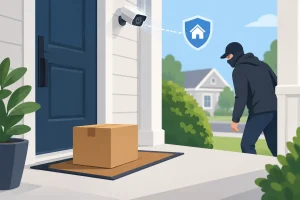
Think about what a stranger can learn from the outside of your home. Keep packages from sitting out for long periods, avoid posting travel plans in real time, and make sure house numbers are visible enough for emergency responders to find. If you live alone, you do not need to advertise it. Small adjustments can reduce opportunity without changing how you live.
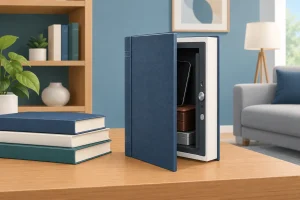
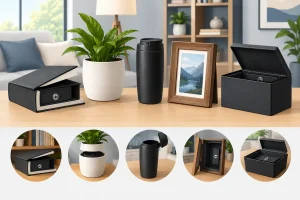
Diversion safes are another practical consideration for valuables that should not be left in obvious places. They are not a replacement for a quality safe or secure storage when that is needed, but they can add discretion for certain items. The best choice depends on what you are protecting, who has access to the space, and how quickly you may need to reach it.
Know What to Do When Something Feels Wrong
Confidence does not mean confronting every problem. In many situations, the safest response is to leave early and make noise if necessary. If someone is following you, do not go straight to your car or home. Change direction, enter a busy business, call emergency services, or approach a group of people and clearly ask for help.
Use direct language when you need it. “Stop following me.” “Back away.” “Call 911.” Clear commands can draw attention and communicate that you recognize the behavior. You do not owe politeness to someone who ignores your boundaries.
If an incident occurs, focus on getting away rather than winning an argument or recovering property. A wallet, bag, or phone can be replaced. Your safety cannot. Once you are secure, contact law enforcement, notify trusted people, and write down details while they are fresh.
Make Preparedness a Form of Everyday Confidence
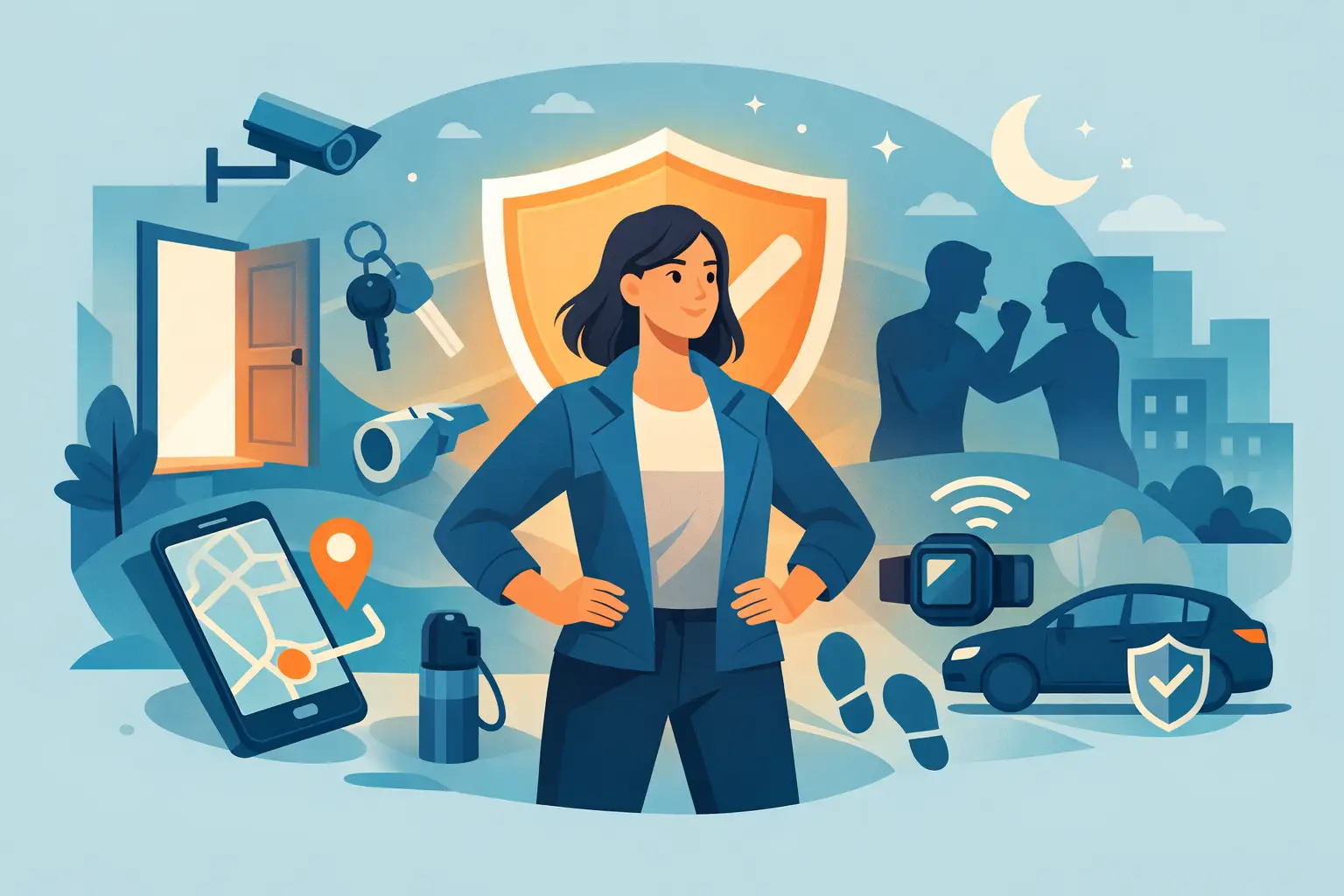
The strongest personal safety plan is layered. It combines awareness, communication, secure habits, and tools selected for your lifestyle. No single product or technique guarantees safety, and there are situations where the smartest move is simply to avoid, leave, or get help fast.
Give yourself permission to take your safety seriously. Walk with purpose. Set boundaries without apology. Keep the tools you choose accessible and maintained. A few intentional habits can help you move through daily life with more confidence, more control, and a clear plan for protecting what matters.