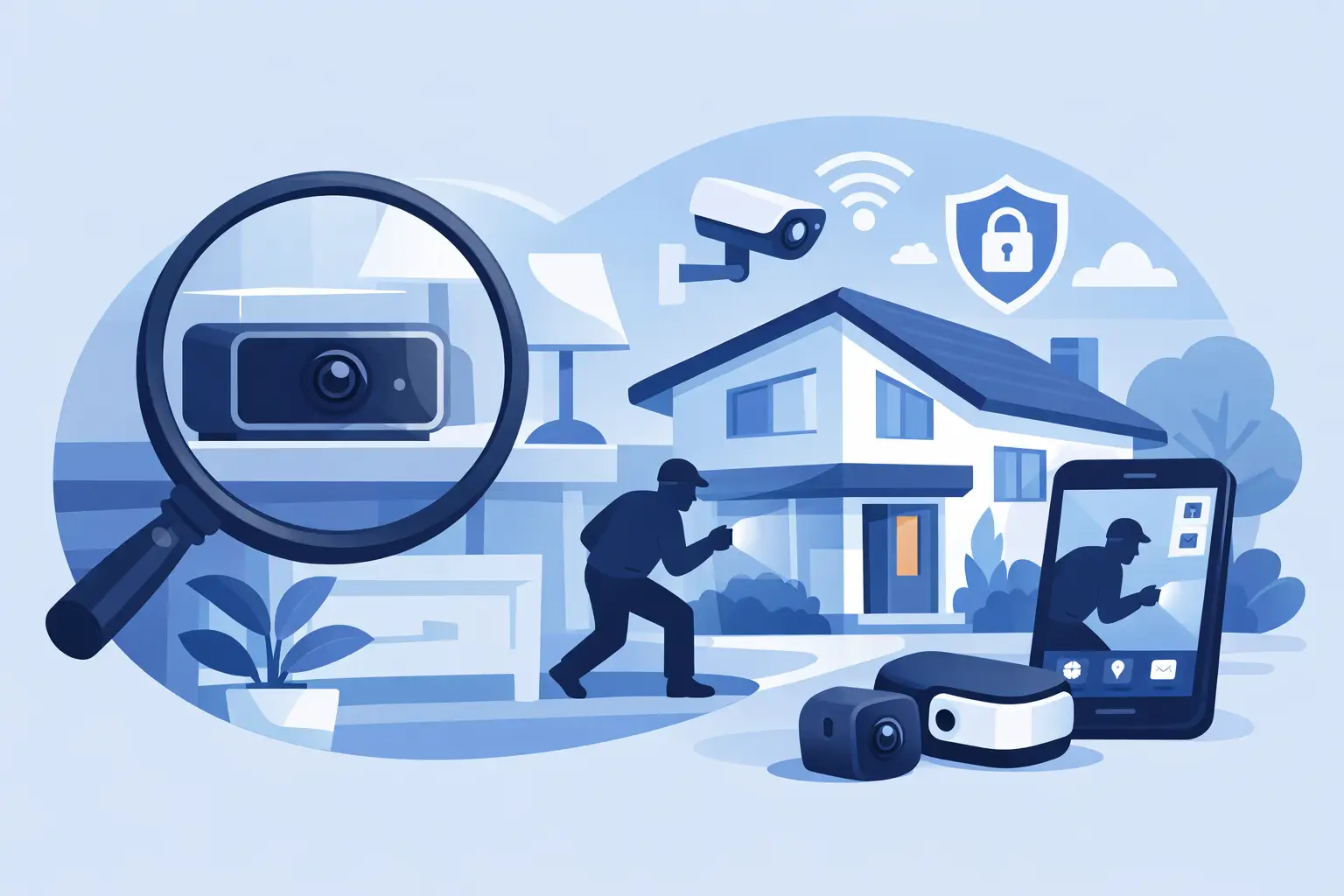
A front door camera can warn you when someone walks up to the porch. A visible indoor camera can make a guest think twice. But hidden cameras serve a different purpose. They help you see what happens when people believe no one is watching, and that can make all the difference when you are protecting your home, your family, or your property.
For many people, the value of a hidden camera is simple. It fills the blind spots. Maybe packages keep disappearing. Maybe a cleaner, contractor, babysitter, or pet sitter has access to your home and something feels off. Maybe you want a quiet way to keep an eye on an entry point, a garage, or a room with valuables. In those situations, discreet coverage is not about paranoia. It is about getting clear information so you can act with confidence.
Why hidden cameras matter
Security works best in layers. Locks, alarms, outdoor lights, visible cameras, and good habits all do their part. Hidden cameras strengthen that setup because they can capture behavior that a visible device might prevent or change.
That is the key trade-off. A visible camera is often a deterrent. A hidden camera is often better for documenting the truth. If someone sees a camera, they may avoid the area or change how they act. If they do not see it, you are more likely to get an honest picture of what is happening.
This makes hidden cameras especially useful in indoor spaces where you need proof, not just presence. They can help verify concerns about theft, unauthorized entry, repeated tampering, or suspicious activity around sensitive areas of the home. Used correctly, they give you evidence, not guesswork.
Where hidden cameras work best
The best placement depends on what you are trying to protect. That sounds obvious, but it is where many people go wrong. They buy a device first and think about coverage later.
If your concern is package theft after delivery, a hidden camera near the main entrance or in a nearby room facing the door can help. If you want to monitor who comes and goes through a side entrance, a discreet camera in a shelf, clock, or other common household object near that path may make more sense. For rooms with valuables, placement should prioritize a clear view of the access point and the items themselves.
Indoor common areas are usually the most practical locations. Living rooms, entryways, hallways, mudrooms, garages, and home offices often provide the best angle without forcing awkward placement. A hidden camera needs a believable location and a useful line of sight. If it is too concealed, it may miss the action. If it is placed unnaturally, it becomes easier to spot.
Height matters too. Cameras placed too low can be blocked by furniture. Cameras placed too high may only capture the tops of heads. In most cases, chest to eye level gives a better chance of capturing faces and movement clearly.
What to look for in hidden cameras
Discreet design gets the attention, but performance is what actually protects you. A hidden camera that records blurry footage or misses motion is not doing its job.
Video quality should be high enough to identify faces, clothing, and actions without squinting. Motion detection is another major feature because it saves storage and makes reviewing footage far easier. Instead of hours of empty-room video, you get clips tied to activity.
Night vision can matter more than people expect. A lot of suspicious activity happens in dim light, early morning, or after dark. If the room or entry point is not consistently bright, low-light performance deserves serious attention.
Storage and power are where practical decisions come in. Some hidden cameras record to local memory cards, while others use app-based systems or cloud-supported storage. Local storage can be simple and private, but it requires you to manage footage yourself. App-connected models can be more convenient if you want remote viewing and alerts. It depends on how hands-on you want to be.
Battery life is another real-world factor. A camera that needs constant charging becomes a chore. If the location allows it, a plug-in option often makes more sense for ongoing use. If you need flexibility or temporary placement, battery-powered models can work well, but you should be realistic about maintenance.
Audio recording is one area where buyers need to be especially careful. Some devices include it, but laws around recording conversations can be stricter than laws around video. Features are only useful if you can use them legally.
Hidden cameras and the law
This is the part you should never treat casually. Hidden cameras can be valuable security tools, but they must be used responsibly and legally.
In general, using a hidden camera inside your own home for security in common areas is very different from placing one in a private space where someone reasonably expects privacy. Bathrooms, bedrooms used by guests, and changing areas are obvious examples of places that can cross legal and ethical lines quickly.
State laws can also vary, especially when audio recording is involved. If your camera captures sound, you need to understand the consent rules that apply where you live. A smart security setup protects you. A careless one can create legal trouble.
If you are using hidden cameras for home protection, the safest approach is straightforward. Place them in lawful, sensible locations, use them to monitor property and common areas, and make sure you understand any local or state restrictions before turning them on.
Hidden cameras are not a complete security plan
A hidden camera is a strong tool, but it should not carry the full load. The most reliable home security setups combine visibility and discretion.
For example, a visible outdoor camera can discourage a porch thief before anything happens. A hidden camera inside can document what happens if someone still enters the property or if suspicious behavior comes from someone already allowed into the home. Window and door alarms can add another layer by alerting you to unauthorized entry, while dummy cameras may help reinforce the appearance of coverage in certain spots.
That layered approach matters because each tool solves a different problem. Cameras record. Alarms alert. Lighting exposes movement. Self-defense tools help you respond if a threat becomes personal. The goal is not to rely on one product to do everything. The goal is to build a setup that closes gaps.
Common mistakes people make
One mistake is focusing too much on concealment and not enough on angle. If the lens is hidden well but aimed poorly, the footage may not be usable. Another is ignoring lighting conditions. A camera that looks fine during the day can fail at night if the area is too dark.
People also underestimate how often they will need to review, charge, or manage the device. The easier your setup is to maintain, the more likely it is to stay active when you need it. Security tools only work when they are ready.
There is also the temptation to place hidden cameras everywhere. More coverage is not always better. Smart coverage is better. Focus on the areas where incidents are most likely to happen or where evidence would matter most.
Choosing hidden cameras with confidence
The right choice depends on your home, your concerns, and how you plan to use the footage. If you want quiet monitoring in a common indoor area, a compact hidden camera with motion detection and clear video may be the best fit. If you travel often or want alerts while away, remote access may matter more. If you only need short-term coverage for a specific issue, ease of setup may be the priority.
Affordability matters too, and it should. Security should not feel out of reach. A practical, reliable camera that fits your real needs is better than an expensive model packed with features you will never use. That is one reason many buyers turn to stores like Elite Warrior Defense. They want security tools that make sense in everyday life, not just on paper.
Confidence comes from clarity. Know what you are watching, where you can legally place the device, and what features will actually help in your situation. Then keep your setup simple enough that you will use it consistently.
Hidden cameras are not about fear. They are about removing doubt. When something feels off, facts matter. And when your home security plan gives you clear evidence instead of unanswered questions, you are in a much stronger position to protect what matters most.
The smartest security upgrade is often the one that lets you see the truth before a small concern turns into a bigger problem.