A device that works only when it is already pressed against an attacker solves a very different problem than one designed to work from several feet away. That is the core issue in the stun gun versus taser decision. Both use electricity, both can be part of a personal safety plan, and neither is a substitute for awareness, distance, or calling for help when you can. But they are not interchangeable tools.
For everyday adults who want practical protection without unnecessary complexity, understanding that difference can prevent a costly or dangerous assumption. The right choice comes down to where you carry, what local laws permit, your comfort with training, and the level of access you need in a stressful moment.
Stun Gun Versus Taser: The Main Difference
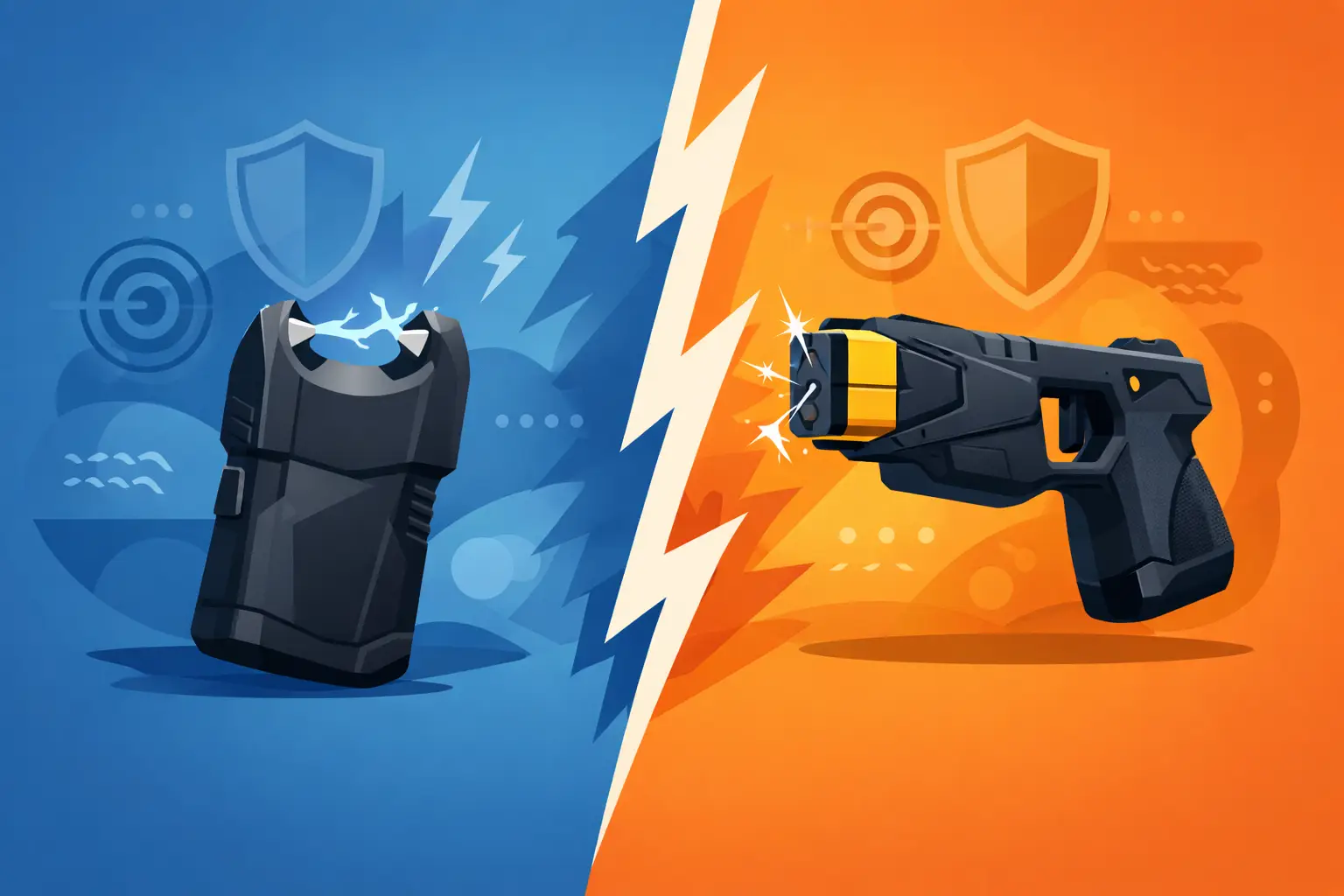
A traditional stun gun is a contact device. It delivers an electrical shock when its exposed electrodes make direct contact with a person. Its purpose is generally to cause pain, surprise, and a chance to break away. Many compact stun guns also create a visible electrical arc and a loud crackling sound, which may help discourage a threat before physical contact occurs. Still, their primary function requires close range.
A TASER device, commonly called a taser, is a brand-specific conducted-energy weapon that can fire two probes connected by wires. When both probes make effective contact and are properly spaced, certain models are designed to affect voluntary muscle control. That can create more distance between you and an aggressor than a contact-only device.
The word “taser” is often used casually to describe any electric self-defense device. That creates confusion. A handheld stun gun that touches a person is not the same as a probe-firing TASER device, even if a retailer uses broad language such as “taser stun gun.” Always read the product description carefully and understand exactly how the device operates.
Range Changes the Entire Decision
Distance is one of the most meaningful differences between these tools. A stun gun may be compact and easy to carry, but it requires you to be within arm’s reach of the threat. That is a serious trade-off. If someone is larger, has a weapon, or is actively grabbing at you, getting close enough to make contact may be difficult.
A probe-firing TASER device can offer stand-off distance, depending on the model and the situation. That added space may give a person time to move toward a safer, more populated location. It does not guarantee an immediate stop. Thick clothing, missed probes, poor probe spacing, movement, and limited battery power can all affect performance.
For many people, a stun gun makes the most sense as a close-contact, last-resort tool. It can be especially appealing for its straightforward design, compact size, and lower cost compared with some projectile devices. If you choose one, be honest about the limitation: it is not a distance tool.
What Each Device Can and Cannot Do
Movies often portray electrical self-defense devices as instant off switches. Real encounters are less predictable. A stun gun may create pain and disorientation, but it may not stop a determined attacker, particularly if the person is intoxicated, highly agitated, or wearing heavy layers. The objective is not to stand and continue a confrontation. The objective is to create an opening to get away.
A properly deployed TASER device may have a stronger potential to interrupt movement because it is designed to affect muscles through two connected probes. Yet it also has its own points of failure. One probe may miss. Clothing may interfere. The probes may not achieve the spacing needed for the intended effect. A device can be powerful and still be a poor choice for someone who will not practice handling it safely or cannot legally carry it.
Neither tool makes you invincible. Personal security works best in layers: attention to your surroundings, a charged phone, a loud personal alarm, good lighting, a clear exit plan, and a legal self-defense device you know how to access. A tool is most useful when it supports your ability to escape, not when it encourages you to stay in danger.
Ease of Carry and Everyday Readiness
A self-defense tool cannot protect you from the bottom of a drawer. Practical carry matters as much as advertised power.
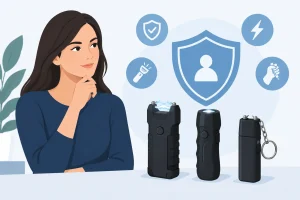
Stun guns are often favored because many models are small enough for a purse, bag, vehicle storage area, or bedside. Some designs include built-in flashlights, safety switches, wrist straps, or rechargeable batteries. Those features can make daily ownership more manageable, but they also require routine checks. A flashlight feature is valuable only if the battery is charged. A safety switch is helpful only if you can operate it quickly and safely.
TASER devices can require more deliberate storage and handling. Some models use cartridges, which need replacement after use or expiration. You also need to understand the device’s safety mechanisms and deployment process before an emergency occurs. That does not make them a bad option. It means the owner should be prepared to invest more attention in training and maintenance.
Whichever option you choose, practice should focus on safe familiarization. Learn where the safety control is, how the device fits in your hand, how to check its charge, and how to retrieve it without looking down. Follow the manufacturer’s instructions, keep the device away from children, and never test it on another person or animal.
Legal Rules Are Not an Afterthought
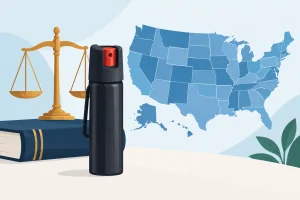
Electric self-defense laws vary across the United States. State and local rules may affect whether you can buy, carry, transport, or use a stun gun or a TASER device. Restrictions can also apply to specific locations, including schools, government buildings, airports, courthouses, workplaces, and private venues.
Some jurisdictions treat probe-firing devices differently from contact stun guns. Others may require permits, limit sales, or prohibit possession by certain individuals. Rules can change, and a product being available online does not automatically mean it is lawful to carry where you live or travel.
Check current laws for your state, city, and destination before buying or carrying an electrical self-defense device. If you cross state lines, verify the rules again. Use of force laws matter, too. A self-defense tool should be used only when legally justified to protect yourself or another person from an immediate threat. It is not for settling arguments, protecting property alone, or intimidating someone.
Which Option Fits Your Safety Plan?
Choose based on your realistic circumstances, not the most dramatic claim on a package. A compact stun gun may be a sensible option for someone who wants affordable, close-range protection and can carry it consistently. It may also be useful at home near an entry point or bedroom, where access matters and there is less concern about carrying it through restricted spaces.
A TASER device may be worth considering for someone who prioritizes distance, has access to a legal model in their area, and is willing to learn its operation. The potential benefit of range is significant, but only if the device is handled responsibly and the user understands that deployment is never guaranteed.
There are also situations where another tool may fit better. Pepper spray can provide distance in a small, lightweight format, though wind and blowback are real concerns outdoors. A personal alarm can draw attention without requiring physical contact. A bright safety light can help you identify a path, find your keys, or make it harder for someone to approach unnoticed. These options can complement, rather than replace, an electrical device.
Elite Warrior Defense encourages people to build protection around their real routines: walking to a car after work, checking the mail after dark, traveling, living alone, or preparing a home for unexpected visitors. The best device is the one that is legal, accessible, maintained, and appropriate for the situation you are most likely to face.
Confidence Comes From Preparation
Do not buy a stun gun or TASER device simply because it sounds powerful. Choose it because you understand the range, limitations, legal responsibilities, and practical steps required to carry it responsibly. Then make it part of a wider safety habit: stay alert, trust your instincts, keep distance when possible, and leave as soon as you have a safe opening.
The goal of personal defense is not to win a confrontation. It is to protect your ability to get home safely.