A thief tearing through a bedroom usually is not stopping to inspect a can of soup, a hairbrush, or a cleaning bottle. That is exactly why diversion safes that look real have earned a place in practical home security. They do not rely on brute force. They rely on misdirection, speed, and the simple fact that most burglars want the fastest path to cash, jewelry, and electronics.
For many people, that makes diversion safes a smart layer of protection. They are discreet, affordable, and easy to work into everyday life. But not every option is equally convincing, and not every hiding spot is as clever as it seems. If you want one to do its job, realism matters.
Why diversion safes that look real work
Most break-ins are rushed. Intruders often spend only a few minutes inside a home, and they tend to search predictable places first – dresser drawers, nightstands, closet shelves, under mattresses, and obvious lockboxes. A diversion safe changes the game because it hides in plain sight.
The best designs blend into normal household clutter. A fake book can work in the right office or living room, but a soda can safe in a pantry or garage often feels even more natural because it matches its surroundings. The goal is not to make the item invisible. The goal is to make it unremarkable.
That said, diversion safes are not replacements for a heavy-duty fireproof safe when you are protecting large amounts of cash, important documents, or firearms. They are best used for smaller valuables you want close by but out of sight, such as emergency cash, spare keys, backup jewelry, memory cards, or copies of critical information. They are a layer, not the whole plan.
What makes a diversion safe look real
A convincing diversion safe gets the details right. Weight, texture, labeling, wear, and placement all matter. If the item looks brand new in an otherwise used space, it can stand out. If it is the only food can in a cabinet full of cleaning supplies, it can stand out. Realism is about context as much as design.
There are a few signs of a better product. The label should look authentic, not blurry or cheaply printed. The lid or opening mechanism should not scream novelty. The exterior should feel like the object it is copying, whether that is cardboard, metal, plastic, or paperboard. Even sound matters. Something that rattles oddly when moved can raise suspicion.
A good rule is simple: if you would not think twice about seeing it in your own home, it has a stronger chance of fooling someone else.
The most effective types of diversion safes
Different homes call for different disguises. Pantry-style safes are popular because canned goods, coffee containers, and food packaging naturally belong in kitchens, garages, and storage shelves. These work well because they disappear into visual noise.
Personal care safes are another strong option. Hairbrushes, shaving cream cans, and hygiene-product containers tend to be overlooked. They fit naturally in bathrooms, gym bags, and travel setups. For someone who wants a small hidden compartment in a personal space, these are often more useful than a larger container.
Household product safes can be especially effective in laundry rooms, utility closets, or garages. Cleaning spray bottles, motor oil containers, and similar items are not usually the first thing a thief grabs. These also work well because many intruders avoid spending extra time digging through low-value storage areas.
Book safes still have a place, but they are more hit-or-miss. In a real bookshelf filled with mixed titles, they can blend in well. On a nearly empty shelf or in a room without books, they can look staged. That is the trade-off. They are classic, but they require better placement to stay convincing.
Where people get placement wrong
The biggest mistake is choosing a spot that feels clever to the homeowner but unnatural to everyone else. A fake soda can under a bathroom sink does not make much sense. A shaving cream safe in a kitchen pantry is just as off. The disguise has to match the location.
Another mistake is over-hiding the safe. If you bury it under unrelated items or tuck it in an awkward corner, it may actually attract attention because it looks intentionally concealed. Diversion safes work best when they are placed where the real item would normally sit.
It also helps to avoid the most overused hiding places in movies and TV. A fake book in the exact center of a shelf can be too obvious. A wall safe hidden behind a painting may not be as original as it sounds. Real security often comes from ordinary placement, not dramatic concealment.
How to choose the right diversion safe for your needs
Start with what you plan to store. If you only need space for folded cash, a ring, or a spare key, a compact option like a hairbrush or small can safe may be enough. If you want room for multiple valuables, you will need a larger container, but larger also means harder to disguise naturally.
Next, think about environment. Humid bathrooms, hot garages, and busy kitchens all affect which materials make sense. A cardboard-style product in a damp area may wear down faster. A pantry item that gets handled regularly by family members may not be ideal if you want privacy.
Then consider who shares the space. If children, guests, cleaners, or roommates regularly access the area, choose something less likely to be picked up or moved. The best hiding spot is not just believable to an intruder. It should also stay undisturbed during normal daily life.
Finally, be realistic about your own habits. If you need quick access, do not choose a location that requires moving ten items every time. Security only works when you actually use it.
Diversion safes and layered security
The strongest home protection plans do not depend on one product. Diversion safes are effective because they add uncertainty for an intruder. But they work even better when paired with other visible and hidden security measures.
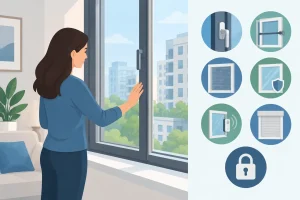
Window and door alarms can create immediate pressure on a burglar. Dummy cameras can make a home feel watched. Hidden cameras can provide evidence if someone does get inside. A diversion safe fits into that bigger strategy by protecting small high-value items from a quick grab-and-run search.
This is where practical security beats wishful thinking. If someone has plenty of time alone in your home, almost any hiding place can eventually be found. Your goal is to reduce opportunity, increase risk for the intruder, and keep valuables out of the obvious search path.
Are diversion safes worth it?
For many households, yes. They offer a low-cost, low-profile way to protect select valuables without advertising where those valuables are kept. They are especially useful for renters, apartment dwellers, travelers, and anyone who wants an extra layer of discretion without installing permanent hardware.
Still, there are limits. They are not ideal for irreplaceable heirlooms, large sums of money, or anything that must survive fire or water damage. They also require some discipline. If you tell too many people where the item is hidden, the advantage disappears. If the disguise does not fit the room, the concept falls apart.
That is why the best buyers approach diversion safes with clear expectations. Think of them as practical deception tools. Not flashy. Not complicated. Just smart.
Buying diversion safes that look real with confidence
If you are shopping for diversion safes that look real, focus less on gimmicks and more on everyday plausibility. Ask whether the product belongs in your space, whether it can stay unnoticed, and whether it gives you the access you need. A believable object in the right room beats a clever object in the wrong one every time.
For people building a more complete personal and home security setup, a diversion safe can be one of the easiest upgrades to make. It adds protection without changing your routine, and it helps keep important items out of the first places an intruder will search. That is real value.
At Elite Warrior Defense, the goal is simple: give people reliable, affordable tools that help them stay prepared. A well-chosen diversion safe does exactly that. It puts control back in your hands and turns an ordinary household item into one more reason a criminal leaves empty-handed.
The smartest security choices are often the quiet ones – the ones that do their job without announcing themselves.