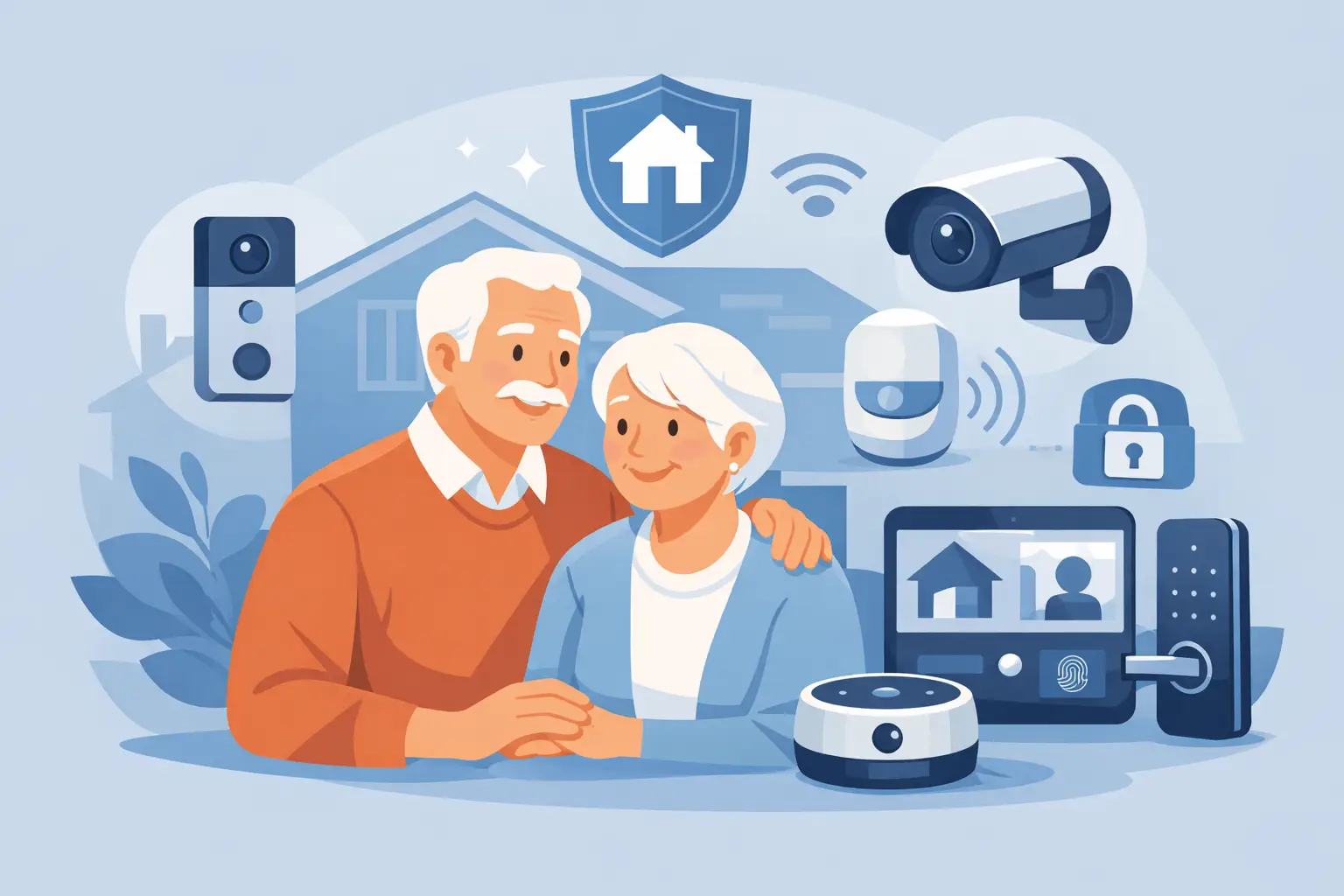
A loud knock at the door can feel different when you live alone, move a little slower, or just want more control over who gets close to your home. The right home security devices for seniors are not about fear. They are about staying in charge, reducing risk, and making daily life feel safer without turning the house into a complicated tech project.
That last part matters. A security product is only useful if it is easy to use under stress, easy to maintain, and reliable when it counts. For seniors, the best setup usually is not the flashiest one. It is the one that covers real weak points like doors, windows, visibility, and emergency response while keeping operation simple.
What seniors need from home security devices
Security for older adults should start with reality, not marketing. Many break-ins are crimes of opportunity. So are package theft, door scams, and people testing an unlocked side entrance. A strong senior-friendly setup focuses on early warning, visibility, and fast action.
Ease of use comes first. Small buttons, complicated apps, constant charging, or confusing alerts can turn a smart purchase into dead weight. Seniors often do best with devices that work right out of the box, have clear controls, and do not depend on a steep learning curve.
The second priority is coverage where it matters most. Front doors, back doors, first-floor windows, garages, and dim outdoor areas deserve the most attention. A device that protects an actual entry point is usually more valuable than one packed with extra features you may never use.
The third priority is confidence. Good security should help a senior feel more secure moving through the day and sleeping at night. It should not create anxiety through false alarms or hard-to-read notifications.
Home security devices for seniors that make the biggest difference
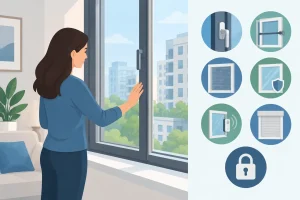
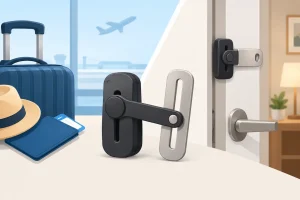
Door and window alarms are one of the smartest starting points. They are affordable, simple, and effective. When a door or window is opened, the alarm sounds immediately. That loud alert can scare off an intruder, but it also tells the resident exactly what is happening without needing to check a screen first.
These alarms are especially helpful for seniors who want a low-maintenance layer of protection. They work well in apartments, condos, and houses, and they do not require a full security system to be useful. If budget is a concern, this is often the best place to begin.
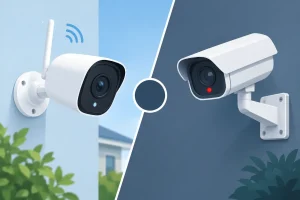
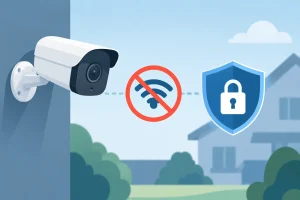
Hidden cameras add another layer of awareness. They help seniors or family members monitor entry areas, caregivers, deliveries, or suspicious activity around the property. The key advantage here is visibility after the fact and, in some cases, real-time awareness. If someone comes to the door repeatedly, tampers with a package, or enters a space they should not be in, there is a record.
That said, cameras are not always the easiest fit for every senior. Some require Wi-Fi setup, app management, and regular charging or power checks. For a senior who is comfortable with basic tech or has help from family, cameras can be a strong addition. For someone who wants straightforward protection with no learning curve, alarms may be more practical.
Motion-activated safety lights are another high-value choice. Dark walkways, porches, side yards, and back entrances give cover to intruders and increase fall risk for the homeowner. A bright light solves both problems. It draws attention to movement outside and helps the resident move more safely around the home.
This is where security and everyday living meet. A good light does not just deter someone with bad intentions. It also helps a senior take out the trash, let the dog out, or check the mailbox with better visibility and less risk.
Dummy cameras can also play a role when budget matters. They do not provide footage, but they can create the appearance of surveillance and discourage casual criminals looking for an easy target. They are best used as a visual deterrent, not as the only line of defense. If you choose dummy cameras, pair them with something real, such as alarms or lighting.
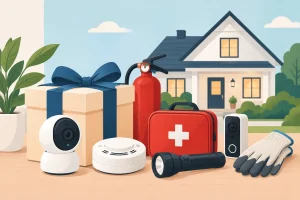
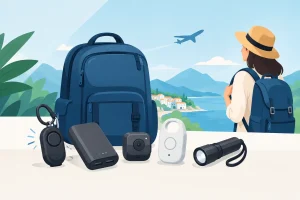
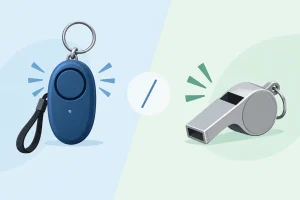
Personal safety devices inside the home deserve attention too. For seniors who answer the door alone or feel vulnerable moving around the property, items like a tactical flashlight, a loud personal alarm, or other self-defense tools may offer another level of reassurance. The right fit depends on the person, their comfort level, and local laws, but the broader point is simple: home security does not stop at the front door.
How to choose the right setup
The best home security devices for seniors depend on living situation, mobility, and comfort with technology. A senior in a small apartment has different needs than someone in a single-family home with multiple entry points and a detached garage.
If the goal is simplicity, start with door alarms, window alarms, and motion lighting. That combination covers the basics well. It alerts, it deters, and it does not ask much from the user.
If the goal is more visibility and monitoring, add cameras at the front door or near vulnerable areas. This works well when a family member wants to help keep an eye on things or when the senior wants a better view of who is coming and going.
If the goal is stronger personal confidence, include easy-to-carry safety tools inside the plan. A senior who feels prepared is less likely to freeze in a stressful moment. That matters just as much as hardware on the wall.
There is also the issue of maintenance. Battery-powered devices are convenient, but they need regular checks. Plug-in products reduce that burden but limit placement. No option is perfect. The right choice is the one the homeowner will actually keep running.
Common mistakes to avoid
One mistake is overcomplicating the system. A house filled with smart devices sounds impressive until someone cannot remember how to arm them, silence them, or check an alert. More gear does not always mean more security.
Another mistake is focusing only on burglary. Seniors may face a wider range of concerns, including unwanted solicitors, confusion at the door, poor nighttime visibility, or dependence on outside help entering the home. Security should reflect those everyday realities.
It is also a mistake to ignore placement. A camera pointed at an empty corner does not help. A motion light that misses the walkway misses the point. Security works best when devices are installed where a threat is most likely to appear.
Finally, do not assume price equals performance. Some affordable devices do exactly what they need to do and do it well. For many households, a few dependable products in the right places will outperform an expensive system that is too frustrating to use.
Building confidence without making home life harder
The strongest security plan for a senior is one that supports independence. It should make it easier to answer the door carefully, move around the property more safely, and react faster if something feels wrong. That is a practical win, not a luxury.
For family members, these devices can also reduce constant worry. You do not need to turn a senior’s home into a fortress. You need smart protection that respects how they live. In many cases, that means starting small, testing what feels manageable, and adding only what improves safety in a clear way.
At Elite Warrior Defense, that practical mindset matters. Security products should not be confusing, overpriced, or intimidating. They should help people protect what matters with confidence.
A safer home often starts with one simple fix – an alarm on the right door, a light over the dark side yard, a camera where strangers tend to linger. When the setup fits the person, peace of mind feels a lot more real.