A tactical pen only helps if it is on you when something goes sideways – not buried in a glove box, not sitting in a nightstand. That is the whole point. It looks like a normal pen, rides in a pocket like a normal pen, and gives you a hard, controlled impact tool you can access fast.
If you are shopping for the best tactical pens for self defense, focus less on marketing and more on the few details that decide whether a pen is a reliable everyday carry tool or an awkward gimmick. The right choice comes down to grip, strength, carry comfort, and whether you can deploy it under stress.
What a tactical pen is (and is not)
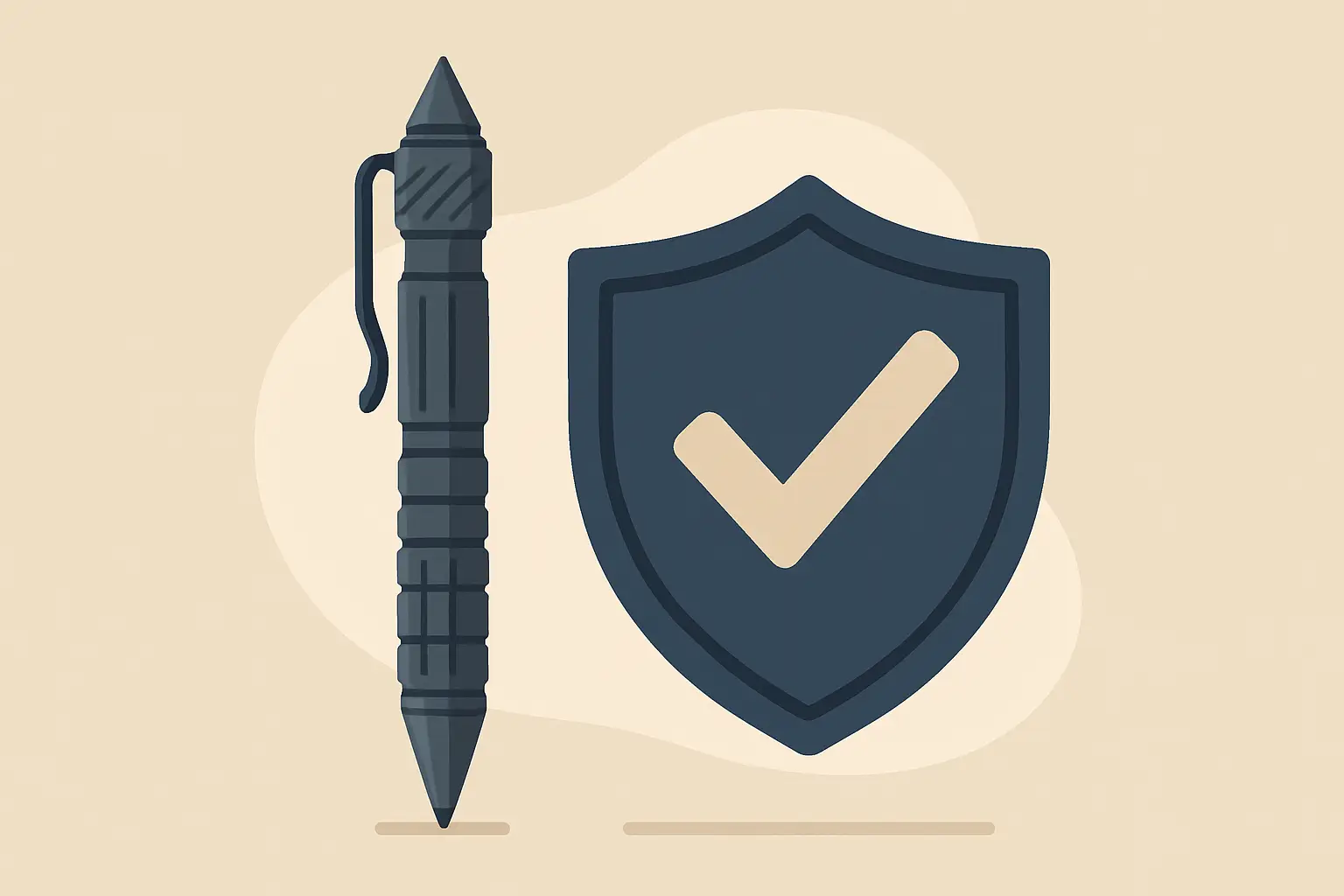
A tactical pen is a reinforced writing instrument designed to double as a compact defensive tool. Most are built from aircraft-grade aluminum or steel, with textured grip sections and a hardened tip area. Some include a glass breaker, and a few add extras like a flashlight or multi-tool features.
What it is not: a magic wand that replaces awareness, distance, and smart decisions. A pen is for close-range emergencies when you cannot disengage immediately. It is also not a replacement for training. Even a basic self-defense class will help you understand angles, leverage, and where striking matters.
What to look for in the best tactical pens for self defense
The best pens share a simple goal: you can carry them every day, access them quickly, and trust them to hold up when you need them.
Materials that do not fold under pressure
Aluminum is common because it is light and strong. Steel is heavier but often feels more solid in the hand. Either can work. What you want to avoid is a pen that feels hollow, flexy, or assembled like a cheap novelty item. If it rattles, has sloppy threads, or the parts wobble, keep shopping.
A good tactical pen should feel like a single, confident piece of gear. When you grip it tightly, nothing shifts.
Grip that stays put when your hands are sweaty
Under stress, your hands do not behave like they do at your kitchen table. You may be sweaty, shaking, or moving. A pen with shallow grooves can slide. Look for deeper texturing or a knurled grip that bites just enough without tearing up your pocket.
There is a trade-off here. Very aggressive knurling can snag fabric or feel uncomfortable during long writing sessions. A balanced grip is usually the best everyday option.
A tip design that makes sense for real life
Some tactical pens have a sharp-looking point. Others have a more rounded, reinforced end. A very sharp point can raise legal and carry concerns in certain places and may also damage your clothing or bag. A hardened, blunt-ish impact end is often more practical: effective for pressure and strikes, but less likely to cause accidental damage.
If a pen includes a glass breaker, it should be properly seated and not exposed in a way that tears pockets. In a vehicle emergency, a glass breaker can be a real benefit, but only if the pen is still comfortable enough to carry daily.
A secure, pocket-friendly clip
A tactical pen without a good clip is a pen you will stop carrying. The clip should be strong, springy, and tight enough to stay on a pocket seam without popping off when you sit. If the clip is flimsy, you will lose the pen. If it is too tight, you will hate using it.
Also consider whether it rides deep or high. Deep carry is discreet. Higher carry may be faster to grab. Pick what fits your routine.
Cap vs click vs bolt action
This is where “best” becomes personal.
A capped pen can be very secure and comfortable to write with, but it adds a step before you can write. Some capped tactical pens allow you to post the cap on the back and keep a solid striking end exposed.
A click pen is fastest for writing, but the mechanism must be sturdy. Cheap click mechanisms fail.
Bolt-action designs can be very durable and satisfying to use, but they can be louder and slightly more complex. If your goal is low-profile, a quiet click or cap can be a better fit.
Weight and diameter you can control
Heavier is not always better. A pen that is too heavy or too thick may feel powerful, but it can also be harder to control and more likely to get left at home.
Most people do best with a pen that feels similar in size to a thick marker. You want enough diameter for a confident grip, but not so much that it prints through your pocket or feels awkward in your hand.
What to avoid: features that sound cool but get you hurt
A tactical pen is a simple tool. When brands cram in too many extras, you get compromises.
Avoid pens that try to be a full-size multi-tool in disguise. Extra blades, fragile attachments, or gimmicky “spike” add-ons can create legal headaches and can fail at the worst time. You also do not want a pen that cannot write well. If you carry it daily, you should be able to sign a receipt, take a note, or hand it to someone without it feeling like a toy.
If a pen is so aggressive-looking that it screams “weapon,” you are more likely to attract attention in workplaces, venues, and everyday settings. Discreet and capable beats intimidating and awkward.
Choosing the right tactical pen for your lifestyle
A smart pick depends on where you spend your time and how you dress.
If you work in an office or wear business clothing, prioritize a pen that looks professional and has a smooth clip that will not tear fabric. A matte finish and clean profile keep it low-key.
If you drive a lot, a pen with a true glass breaker and a clip that stays put can pull double duty as an emergency escape tool. Keep it in the same pocket every day so you can find it without thinking.
If you are active, outdoors, or on your feet all day, lightweight aluminum and a strong grip texture matter more than a fancy finish. You do not want a heavy steel pen bouncing around or pulling down your pocket.
How to carry and access it fast
Carry consistency is the difference between preparedness and wishful thinking. Pick a pocket and commit to it. Most right-handed people prefer front right pocket, clipped to the seam. If you carry a knife or flashlight already, avoid stacking everything in one place where it tangles.
Practice drawing it the same way you would draw a flashlight. Slow, controlled reps at home build the habit. You are not trying to look tactical. You are trying to be fast and calm.
Using a tactical pen responsibly
A tactical pen is for creating an opportunity to get away. Your goal is not to “win a fight.” Your goal is to break contact, create distance, and get to safety.
Targets matter. In many self-defense systems, the focus is on high-value, high-sensitivity areas that can disrupt an attack long enough to escape. That said, you should get instruction from qualified training in your area, because local laws and best practices vary. The more you understand de-escalation, movement, and situational awareness, the less likely you are to need any tool at all.
Also think about layering your protection. Many people pair a tactical pen with pepper spray and a bright safety light. The pen is a last-ditch close-range option, while spray and light can help at distance.
Buying from a source that understands everyday carry
When you are choosing a defensive tool, you want clear specs, practical options, and pricing that makes sense – not hype. If you are building a complete personal safety setup (not just a pen), a one-stop shop can save time and keep your gear consistent. Elite Warrior Defense is a veteran-owned option that carries tactical pens alongside other self-defense essentials, and you can browse their catalog at https://elitewarriordefense.com/.
A quick reality check on “best”
The best tactical pen for self defense is the one you will actually carry, that you can grip hard, and that you can control when your heart rate spikes. For one person, that is a slim, professional pen that disappears in a shirt pocket. For another, it is a slightly thicker model with a more aggressive grip and a glass breaker for vehicle emergencies.
If you are deciding between two solid options, choose the more comfortable, more discreet pen. Comfort is not a luxury – it is what keeps the tool on your body day after day.
Closing thought: pick one pen, carry it for a week, and pay attention to the friction points – comfort, clip security, and how quickly you can access it. The best gear is the gear you trust enough to keep close.