A burglar usually isn’t looking for every valuable in your house. They’re looking for the obvious ones fast – the jewelry box, the nightstand drawer, the closet shelf, the office desk. That’s exactly why diversion safes: your home’s hidden hero is more than a catchy phrase. It’s a practical reminder that smart home security is often about misdirection as much as muscle.
A diversion safe does one job extremely well. It hides what matters inside something that looks ordinary enough to be ignored. To the right homeowner, that simple advantage can make a real difference. Not because it replaces locks, alarms, or cameras, but because it adds another layer that works quietly in the background.
Why diversion safes work
Most break-ins happen under pressure. An intruder wants to get in, grab what seems valuable, and get out before anyone notices. That means they usually focus on predictable hiding spots. If your cash, spare key, backup documents, or small valuables are stored in places that scream “check here,” you are making their job easier.
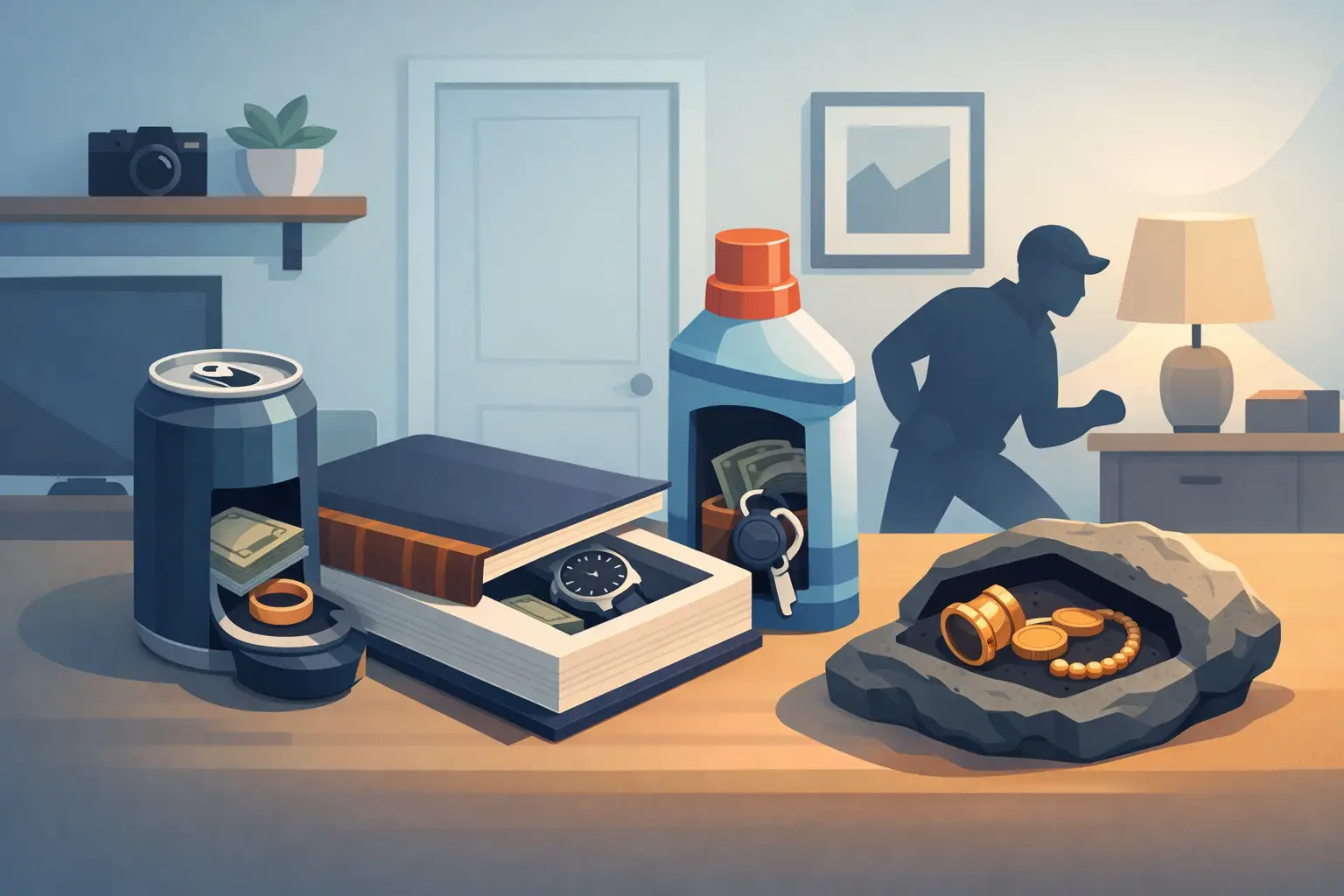
Diversion safes flip that equation. Instead of protecting an item with obvious bulk or steel, they protect it with camouflage. A common household object does not invite the same attention as a standard safe sitting in a closet. In many cases, it won’t get a second glance.
That said, there’s a trade-off. A diversion safe is about concealment, not brute-force resistance. If someone discovers it, it likely won’t offer the same protection as a heavy-duty fireproof or bolted-down safe. That’s why the strongest approach is layered security, where different tools cover different risks.
Diversion safes: your home’s hidden hero in a layered plan
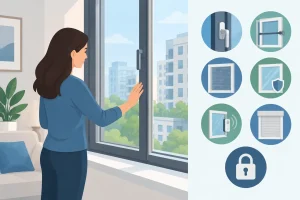
Home security works best when no single product has to do everything. Door and window alarms alert you. Cameras help you monitor activity. Motion lighting can discourage unwanted movement around the property. Traditional safes protect larger or high-value items. Diversion safes fill a different role.
They are ideal for small essentials you may need to keep accessible but out of sight. Think emergency cash, a spare key, a copy of important information, or a piece of jewelry you don’t want left in an obvious place. Used well, a diversion safe creates uncertainty for anyone trying to find valuables in a hurry.
This matters because confidence is part of security. When you know your home protection strategy includes both visible deterrents and hidden defenses, you are no longer relying on one point of failure.
What should go inside a diversion safe
The best use case is usually small, important items that would be frustrating or costly to lose. Cash is a common choice, especially for emergency situations when electronic payments are not an option. Small jewelry, memory cards, backup house keys, and compact personal documents can also make sense.
But not everything belongs there. Firearms, for example, should be stored in proper firearm safes or lockboxes that meet safety standards and prevent unauthorized access. Prescription medications can also be a poor fit if children, guests, or vulnerable family members are in the home. The same goes for anything highly sensitive that needs fire or water protection.
A diversion safe works best when the contents match the level of protection it provides. If discovery would create a major crisis, you may need something stronger.
Good candidates for hidden storage
Emergency cash and backup keys are practical choices because they are compact and useful without requiring heavy-duty storage. Small valuables you don’t wear daily also fit well. Some homeowners even keep a second copy of critical contact information or account recovery details inside, provided they are stored carefully and discreetly.
What to store elsewhere
Large amounts of cash, passports, irreplaceable family heirlooms, and high-value collections usually deserve a more secure setup. If the item is difficult to replace or attractive enough to motivate a deeper search, a traditional safe is the better move.
Choosing the right type for your space
Not all diversion safes are equally convincing. The best one is the one that naturally belongs in the room where you plan to keep it. If it looks out of place, it stops being clever and starts being suspicious.
In a kitchen or pantry, food-style containers can blend in naturally. In a garage or utility area, everyday maintenance items may make more sense. In a bathroom, grooming or hygiene-themed options can be effective if they match the rest of the space. A home office might call for something that disappears among books or desk accessories.
Realism matters. So does condition. If every item in your pantry is clean and current, but one container looks oddly untouched or fake, it may attract attention. The goal is not just to hide an item. The goal is to make it unremarkable.
Placement matters more than people think
A good diversion safe can fail if it is placed badly. People often assume the object itself does all the work, but location is part of the disguise. A fake soda can in a bedroom dresser makes less sense than one among pantry goods. A book safe on an otherwise empty shelf defeats the point.
Think like a guest. If someone walked into that room for the first time, would the item feel normal there? If the answer is no, rethink the setup.
It’s also wise to avoid the most overused hiding spots. If every movie and internet tip tells people to search a freezer, cereal box, or medicine cabinet, those places may not be as clever as they once were. Sometimes the best placement is the one that blends into your actual habits rather than following common advice.
Common mistakes that weaken diversion safes
The first mistake is telling too many people about them. A hidden security tool loses value when it becomes household trivia. If everyone knows where your backup cash is stored, the concealment advantage is gone.
The second mistake is choosing a safe based only on novelty. If it makes you laugh but doesn’t convincingly match your environment, skip it. Security products should earn their place through usefulness, not just gimmicks.
Another common error is depending on a diversion safe as the only protection in the home. That’s risky. If you do not have basic layers like door security, alarms, or visible deterrents, you are asking one discreet item to solve a much bigger problem.
Finally, some people forget accessibility. If the object is hidden so well that you can’t get to it quickly when needed, it may become more frustrating than helpful. Home security should strengthen your control, not work against it.
When a diversion safe makes the most sense
Diversion safes are especially useful for people who want affordable, low-profile protection without turning their home into a fortress. They fit apartments, family homes, dorm-style setups, and even travel situations where discretion matters. They also make sense for anyone building security in stages and wanting a smart first layer while planning bigger upgrades.
They are not magic, and they are not for every item. But for the right purpose, they are efficient, practical, and hard to beat for the price. That is part of what makes them so valuable. Good security does not always need to be loud, heavy, or expensive to work.
For homeowners who care about peace of mind, that’s a powerful lesson. Elite Warrior Defense focuses on security tools that are practical, effective, and accessible because real protection should be within reach, not reserved for people with unlimited budgets.
Building confidence with hidden protection
The strongest home security mindset is proactive. You don’t wait until after a close call to think about weak spots. You look at your space now and ask simple questions. Where would someone search first? What do I need to keep secure? Which tools give me visible protection, and which ones work quietly behind the scenes?
That’s where diversion safes earn their place. They do not replace the fundamentals. They strengthen them. They give everyday homeowners another way to protect what matters without drawing attention to it.
A smart security plan is not about fear. It is about being prepared, staying in control, and making your home a harder target than the next one.