

A hidden camera that misses the moment you needed most is not security – it is false confidence. That is why hidden camera technology trends matter right now. The latest changes are not just about making devices smaller. They are about making surveillance smarter, faster to access, easier to place, and more useful when something actually happens.
For homeowners, renters, and anyone serious about protecting a property, the shift is clear. Hidden cameras are moving away from basic recording tools and toward active security devices that help you spot trouble early, document events clearly, and stay in control without spending a fortune. Some trends are genuinely useful. Others sound impressive until you look at the trade-offs. Knowing the difference helps you make a stronger decision.
The biggest change is intelligence. Older hidden cameras often recorded continuously or relied on basic motion detection that triggered every time a shadow moved across the room. That led to crowded storage, constant false alerts, and a system people eventually ignored.
Newer models are getting better at distinguishing between people, pets, and general motion. That matters because a camera that can tell the difference between your dog walking through the kitchen and an unknown person entering a room is far more practical. It cuts down on alert fatigue and gives you a better chance of noticing a real threat when it counts.
That said, smart detection is not perfect. Low light, poor camera placement, and crowded environments can still create false positives. A smart camera is only as effective as its angle, its field of view, and the conditions around it. Better software helps, but proper setup still matters.
Artificial intelligence is showing up in more compact cameras, especially in app-connected models. Instead of simply sending a motion alert, some devices now flag a person, identify unusual movement patterns, or let you review event clips quickly rather than scrolling through hours of footage.
For everyday users, this makes hidden cameras less of a passive recorder and more of an active warning system. The value is simple – less time checking noise, more time focused on what matters.
Miniaturization has always been part of the hidden camera market, but size alone is no longer the selling point. Today, one of the strongest hidden camera technology trends is packing better video performance into smaller housings.
That means sharper resolution, improved low-light recording, and wider viewing angles in devices that can still blend into common household or office items. In practical terms, that gives users a better chance of capturing faces, entry points, or suspicious behavior clearly enough to be useful.
There is a balance here. Extremely tiny cameras can still face limits with battery size, heat management, and audio pickup. If a product is marketed as almost invisible, you should also ask what it sacrifices to get there. In many cases, a slightly larger unit with stronger night vision and longer operation time is the better security choice.
Higher resolution sounds great, but it does not solve every problem. A poorly placed 4K camera can still give you a bad angle, while a well-positioned 1080p camera may capture what you need. Lens quality, lighting, and motion handling still play a major role.
For most home security users, consistency matters more than chasing the biggest spec number on the box.
One reason hidden cameras used to frustrate buyers was unreliable runtime. If you had to constantly recharge or replace batteries, the camera became a chore instead of a layer of protection.
That is changing. More hidden cameras now offer better battery efficiency, motion-activated recording to conserve power, and flexible options for continuous power when the placement allows it. This is especially valuable for people using cameras in entryways, garages, living areas, or temporary setups where wiring is not ideal.
Still, battery claims deserve a careful look. Advertised runtime often assumes limited activation, ideal temperatures, and light use. In a busy home or business environment, battery life may drop much faster. If you expect frequent motion events, a power-assisted model may make more sense than a battery-only unit.
Storage used to be a simple choice between recording to a card or not recording much at all. Now users expect quicker access to clips, more organized event history, and less risk of losing footage.
That has pushed one of the most practical hidden camera technology trends – hybrid storage options. Many newer cameras support local storage while also offering app-based review, event filtering, or backup features. For users, this creates more flexibility. You can keep control of your footage while also making it easier to access when needed.
There are trade-offs here too. Cloud-style convenience may come with ongoing fees, while local storage can be limited by card capacity or physical tampering if the device is discovered. The right setup depends on where the camera is placed, how often it records, and how important long-term archive access is to you.
A hidden camera is only helpful if it is easy to manage. That is why mobile control has become a major factor. The camera itself matters, but the app experience often decides whether the device feels reliable or frustrating.
Modern users expect fast setup, live viewing, event playback, instant notifications, and clear controls. The best hidden camera systems now make it easier to adjust sensitivity, review clips, and check in remotely without needing advanced technical skills.
This trend is especially important for everyday homeowners and renters. Security tools should build confidence, not confusion. A camera that takes an hour to reconnect or sends unreadable alerts can make people abandon the system entirely.
People sometimes focus only on hardware specs, but practical usability is part of protection. If your system is simple enough to check regularly and dependable enough to trust under pressure, it is doing its job. That is one reason brands that focus on accessible, straightforward security solutions continue to stand out.
As cameras get smarter and more connected, buyers are paying closer attention to privacy. That is a good thing. Security should protect your household, not create new concerns inside it.
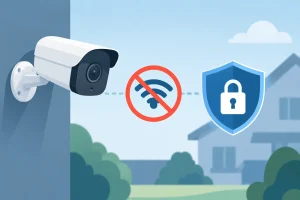
One of the more significant hidden camera technology trends is the growing focus on user control. That includes features like local recording, password protection, encrypted access, limited sharing permissions, and settings that let you fine-tune when and how the camera operates.
This is where buyers need to think clearly about their own priorities. A fully connected device with remote access may be convenient, but some users prefer tighter local control. Others want the fastest possible alerts no matter where they are. Neither approach is automatically right. It depends on your comfort level and your risk profile.
Standalone hidden cameras still have value, especially when you want discreet monitoring in a specific room or around a vulnerable area. But another clear trend is integration with wider home security habits.
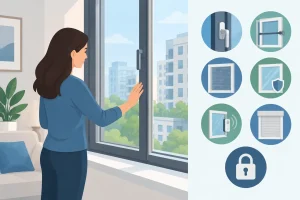
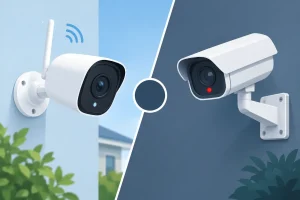
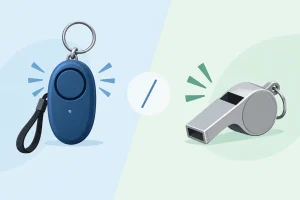
People are no longer thinking about cameras in isolation. They are pairing them with door alarms, window alerts, dummy cameras, motion lighting, and personal defense tools as part of a stronger overall plan. That layered approach makes sense because no single device does everything.
A hidden camera can document activity and help you verify what happened. An alarm can create immediate attention. Lighting can discourage suspicious movement before someone gets close. Used together, these tools offer more protection than any one product on its own.
For a company like Elite Warrior Defense, that mindset fits naturally. Real security is practical, affordable, and built in layers.
The strongest trend is not any single feature. It is the move from novelty to usefulness. Buyers are becoming less interested in hidden cameras that are merely clever and more interested in cameras that perform well under real conditions.
That means better alerts instead of constant noise, clearer video instead of inflated marketing claims, and easier control instead of complicated setup. It also means understanding your own environment before you buy. A camera for watching a front entry area may need different strengths than one placed in an office, bedroom, storage room, or vacation property.
When evaluating new options, the best question is not what is newest. It is what will work reliably in your space, on your schedule, and within your budget. Trends are useful when they solve real problems. If they do not improve your ability to prevent trouble, spot suspicious activity, or keep reliable records, they are just extra features.
Security technology will keep changing. The smartest move is to choose tools that give you confidence, not just specs. When a hidden camera is easy to use, placed well, and built around the way you actually live, it becomes more than a gadget – it becomes part of a stronger defense.





YOU’RE IN!
Use this code on every order
🎉
Here’s Your Code!
Use it now an on every future order.
YOUR DISCOUNT CODE
We also sent this code to your email for safekeeping.
EXCLUSIVE OFFER
Every order – not just your first!
Unlock Your Discount Instantly
Enter your email below and your personal 15% discount code appears right here – no need to check your inbox.
🔒 We respect your privacy. Unsubscribe anytime.