A missed medication, an unfamiliar visitor at the door, or a caregiver arriving outside the agreed schedule can leave families with more questions than answers. Hidden cameras for seniors can provide a clearer view of what is happening at home, but only when they are used with care, respect, and a real safety plan behind them.
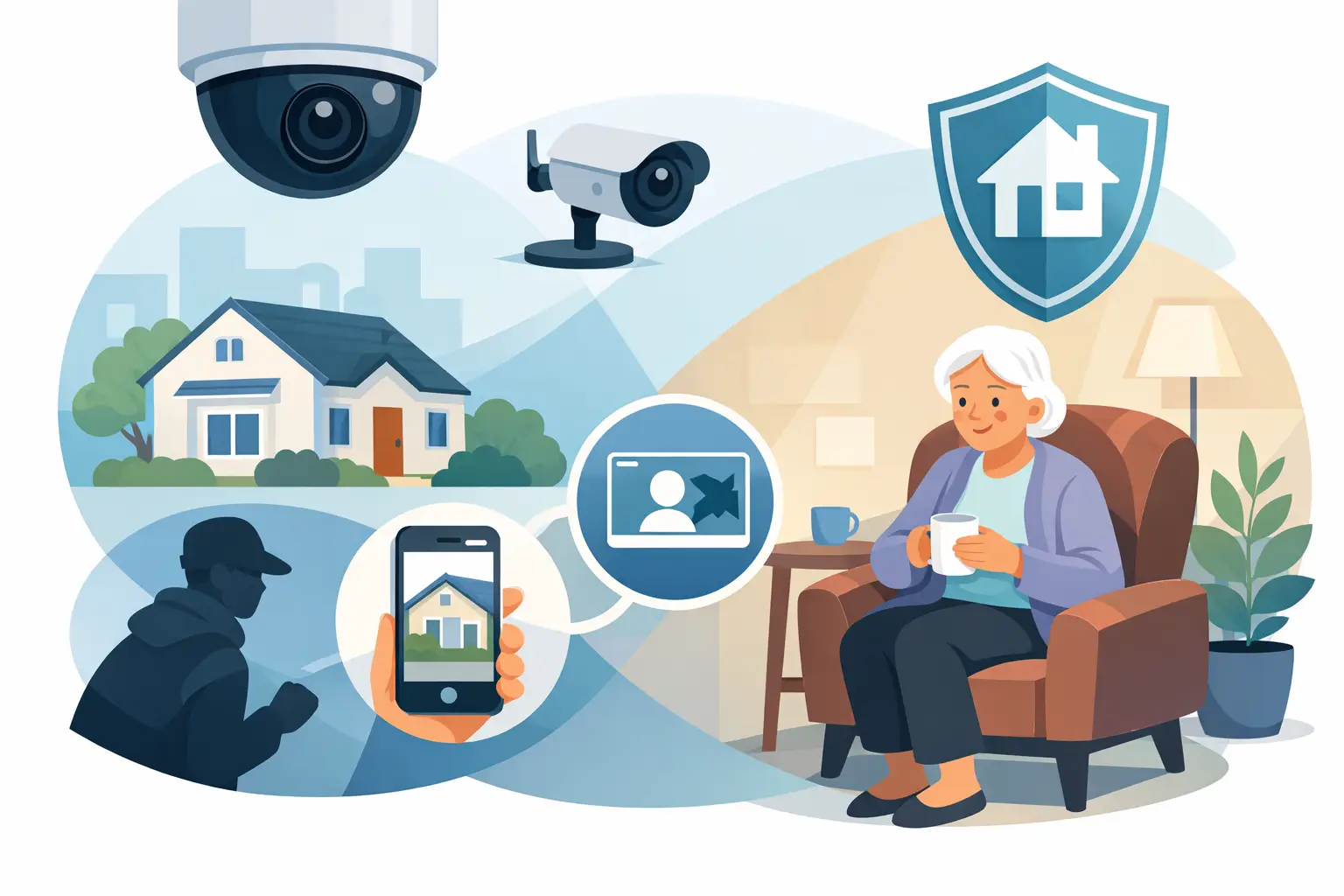
For many older adults, staying in their own home is a source of independence and pride. A discreet security camera can help protect that independence by giving a trusted family member a way to check on a living space, confirm that care is being delivered as expected, or investigate a concern after an incident. It should never become a tool for stripping away a senior’s privacy or control.
When Hidden Cameras for Seniors Make Sense
The right reason to use a camera starts with a specific concern. Maybe a senior has begun working with an in-home caregiver. Maybe packages have disappeared, a door has been left unlocked, or a family member worries about unexpected visitors. In these situations, a camera can create a factual record instead of leaving everyone to rely on assumptions.
Cameras may also help families recognize changing needs. A relative who routinely misses meals, struggles to move around a main living area, or appears confused by daily routines may need additional support. Video can reveal a pattern that a weekly phone call does not.
That said, a hidden camera is not a replacement for care. It cannot assist after a fall, call emergency services, prepare food, or provide companionship. If there is an immediate health or mobility risk, use the camera as one layer of protection alongside regular check-ins, a medical alert device, reliable locks, door alarms, and an emergency contact plan.
Choose a Camera That Solves the Actual Problem
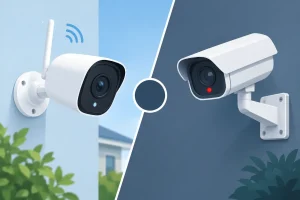
Small and concealed does not automatically mean useful. Before choosing a device, decide what you need to see, when you need to see it, and who will be responsible for checking alerts. That decision will narrow the options quickly.
For monitoring a front entry or main living room, clear video and a wide viewing angle matter more than an ultra-small design. For occasional review of a caregiver’s visits, motion activation can reduce unnecessary recordings and make footage easier to locate. If the camera must operate overnight, confirm that it has effective low-light or night-vision capability.
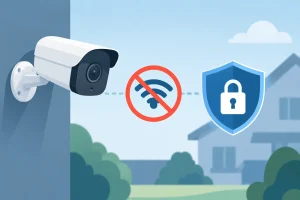
Power is another practical issue. Battery-powered cameras are easier to place but require someone to recharge or replace batteries on schedule. Plug-in models can run longer, although their placement is limited by outlets and cords. If Wi-Fi is unreliable in the home, a camera that depends entirely on a strong connection may create more frustration than security.
Look for straightforward controls. A complicated app, confusing notifications, or footage that is difficult to retrieve will not help when a family needs answers. The best setup is one a trusted person can test regularly and operate under pressure. Elite Warrior Defense focuses on practical security tools because protection is only effective when people can actually use it.
Place Cameras Where Safety Concerns Are Real
Camera placement should protect the senior and the home without turning private life into constant surveillance. Common areas are usually the most appropriate places to monitor: the main entry, living room, kitchen, hallway, or an area where caregivers work. These locations can show who enters, whether a visitor arrives, and whether routines are being followed.
Never place a camera in a bathroom, bedroom used for dressing, or any space where a person has a reasonable expectation of complete privacy. This is especially critical when a senior receives personal care. A family may have legitimate safety concerns, but no concern justifies recording someone during private medical, hygiene, or changing activities.
Avoid aiming a camera toward a neighbor’s home, yard, or windows. Position it tightly around the area you need to protect. A camera pointed at the front door does not need to record every home across the street. Limited coverage is more respectful and often produces clearer, more useful footage.
If the purpose is to monitor a caregiver, focus on shared spaces where services are provided and where safety issues are most likely to occur. Do not assume a camera will capture every detail. A device hidden too deeply inside an object can have blocked views, poor audio, weak motion detection, or inadequate night performance. Test the view from different angles before relying on it.
Privacy and Consent Are Part of Home Security
A camera may be legal in one setting and unlawful in another. Recording rules vary by state, especially when audio is involved. Audio laws can be stricter than video laws because some states require consent from everyone involved in a recorded conversation.
Before activating any hidden camera, review the rules that apply where the senior lives. Consider whether the home is private, whether paid caregivers work there, and whether visitors or other residents will be recorded. Assisted living communities, nursing facilities, and rental properties may have additional policies that affect camera use.
Whenever possible, tell the senior about the camera and explain why it is there. That conversation protects trust. An older adult with decision-making capacity deserves to know how their home is being monitored, who can access the footage, and what situations will prompt someone to review it.
Transparency may feel difficult when a family suspects theft or abuse. Still, secretly recording a caregiver or visitor can carry legal and relationship risks. If you suspect immediate abuse, neglect, or danger, prioritize the senior’s safety first. Contact emergency services, adult protective services, law enforcement, or the appropriate facility administrator as the situation requires. Preserve relevant information, but do not put the senior at further risk while trying to gather proof.
Keep Access Limited and Footage Protected
A security camera can create a new vulnerability if its account is poorly protected. Use a strong, unique password and enable two-step verification if the camera system offers it. Do not share account access with a large group of relatives just because they are curious or concerned.
Choose one or two trusted people to receive alerts and review footage. Agree on what requires action. For example, an alert may be worth checking if someone enters the home at an unusual hour, a caregiver fails to arrive, or an exterior door opens unexpectedly. Constantly checking a live feed can create anxiety without improving safety.
Set a reasonable retention period for recordings. Keeping months of ordinary household footage rarely improves protection and increases the chance that private video is accessed or mishandled. Save recordings connected to a genuine concern, then delete routine footage according to your family’s plan and any applicable rules.
Pair Monitoring With a Clear Response Plan
A camera is most valuable when everyone knows what happens after an alert. Make sure the trusted contact has the senior’s address, key medical information, emergency contacts, and a plan for gaining access if needed. If a family member lives far away, identify a nearby neighbor, friend, or local contact who can check in when appropriate.
Talk through a few realistic scenarios. If a camera shows an unknown person at the door, the senior should not feel pressured to answer it. If a caregiver misses a visit, decide who calls the agency and who checks on the senior. If footage raises concerns about treatment, document dates and times, then report the issue through the proper channels.
The goal is not to watch every moment. The goal is to make sure a senior has backup when something feels wrong.
A thoughtfully placed camera can support safer living at home while preserving the dignity that every older adult deserves. Use it with permission whenever possible, protect the footage, and let it strengthen a larger plan built around respect, awareness, and action.