
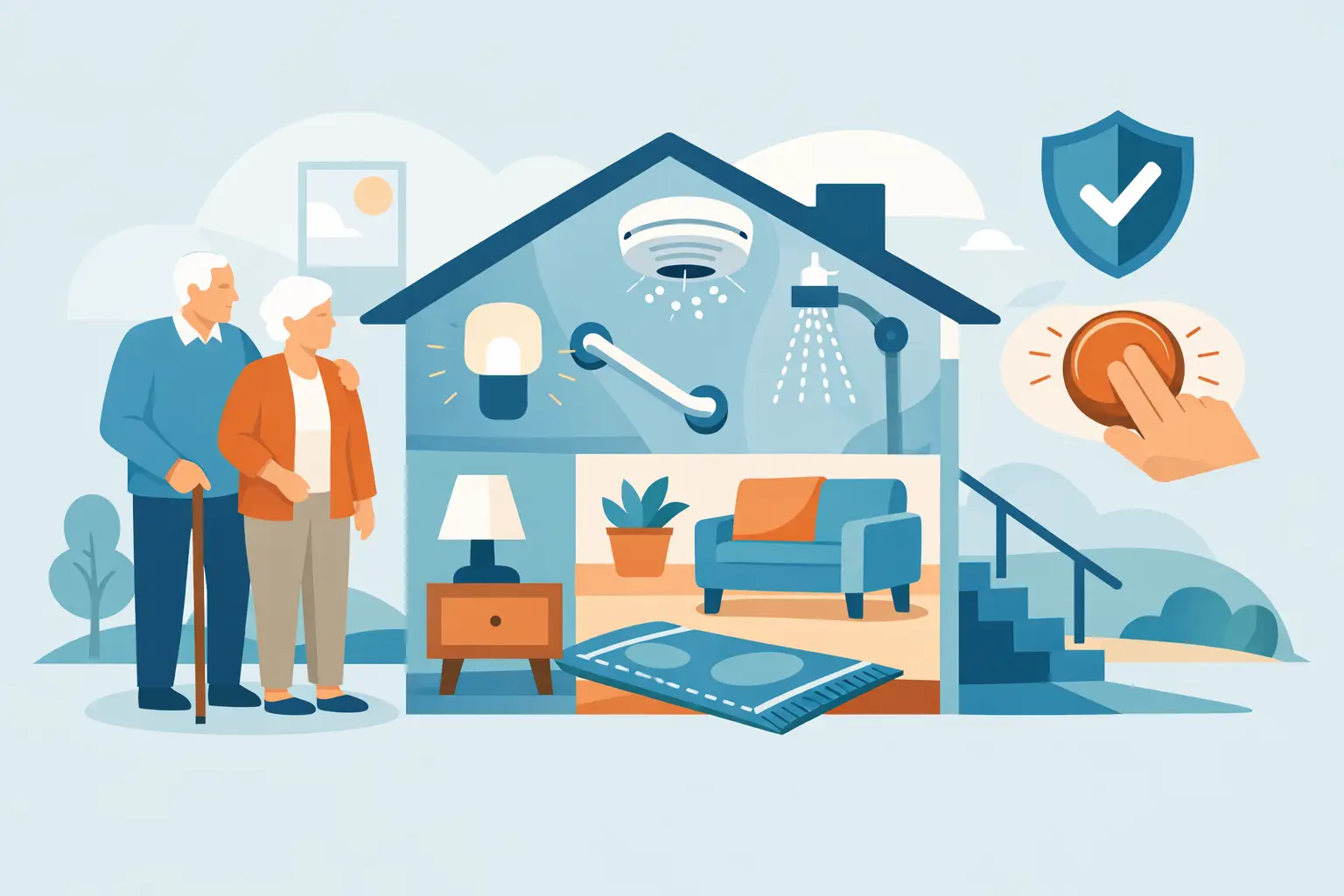
A missed step on a dim staircase or a throw rug that curls at the corner can change life fast. That is why a solid home safety checklist for seniors is not just about comfort. It is about protecting independence, reducing preventable injuries, and making sure home stays the safest place to be.
For many older adults, the biggest risks are not dramatic. They are ordinary. Poor lighting in the hallway. A slick bathroom floor. A front door without a peephole or reliable lock. The good news is that most of these problems can be fixed without a full remodel. A safer home usually comes down to smart upgrades, better placement, and a routine habit of checking weak spots before they become emergencies.
Most people think about home safety after something goes wrong. That is backwards. A good checklist helps families and seniors get ahead of the obvious hazards and the less obvious ones too. Falls are a major concern, but they are not the only issue. Fire safety, home entry security, visibility at night, and the ability to call for help all matter.
There is also a confidence factor. When a home is set up well, daily tasks take less effort and create less stress. That can mean getting in and out of the shower without fear, answering the door more carefully, or moving through the house at night without guessing where the next step lands. Safety is not just protection. It is peace of mind with practical backup.
The front entry sets the tone for the rest of the home. It should be easy to access for the resident and hard to exploit for someone with bad intentions. Start by checking lighting. Every entrance should be clearly lit at night, including the porch, steps, walkway, and house numbers. Motion-activated lights can help, especially for seniors who do not want to search for switches after dark.
Take a close look at the path to the door. Cracks, uneven concrete, loose railings, and clutter create trip hazards. Even one raised edge can be enough to cause a fall. If a ramp is needed, it should be stable, slip-resistant, and wide enough for comfortable use.
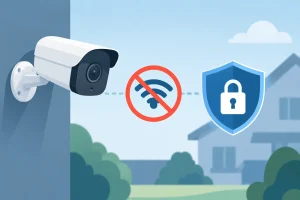
Then check the door itself. A sturdy deadbolt, a wide-angle peephole, and a doorbell that is easy to hear are all basic wins. Some households also benefit from a simple door alarm or visible camera setup. The right choice depends on the senior’s comfort level. Some want stronger security measures, while others prefer low-tech options they can manage easily. The goal is the same – know who is there before opening the door.
Inside the home, start with clear walking paths. Furniture should support movement, not force someone to sidestep around sharp corners or squeeze between tables. Remove low stools, stacks of magazines, decorative baskets, and extension cords from walkways. If an area rug slides, curls, or bunches up, secure it properly or take it out.
Lighting deserves more attention than most homes give it. Seniors often need brighter, more even light to spot obstacles, read labels, and move safely. Add lamps where shadows collect, especially near favorite chairs, stair landings, and the bed. Light switches should be easy to reach from room entrances and from bedside.
Bedrooms should support quick, steady movement at night. Keep a flashlight and phone within reach of the bed. A bedside safety light or motion-sensitive night-light can make a major difference for trips to the bathroom. If the bed is too low or too high, getting in and out becomes harder and riskier. Sometimes a simple adjustment improves safety more than an expensive upgrade.
Bathrooms are one of the most dangerous places in the home for older adults. Water, slick surfaces, and tight spaces create problems fast. Start with traction. Non-slip mats inside and outside the tub or shower can help, but they need to stay flat and secure. A mat that slides is just another hazard.
Grab bars are worth serious consideration. They provide support where balance often fails – stepping into the tub, lowering onto the toilet, or standing after a shower. Towel bars are not the same thing and should never be used as support. If balance is already becoming an issue, a shower chair and handheld shower head may be practical upgrades.
Water temperature matters too. Setting the water heater to a safer level helps prevent scalding, especially for seniors with slower reaction time or reduced sensitivity in their hands. Good lighting in the bathroom is also essential. Shadows around the toilet, tub, or threshold increase risk.
The kitchen can be safe and efficient, but only if it is organized around daily use. Frequently used items should be stored between waist and shoulder height whenever possible. Reaching high shelves or bending low with a heavy pan increases the chance of strain or a fall.
Check for fire risks as well. Pot handles should turn inward while cooking, and towels or paper products should stay away from burners. If the stove controls are hard to read, adding clearer labels may help. A fire extinguisher should be easy to access, and smoke alarms nearby should be tested regularly.
Flooring matters here too. Kitchens are common spill zones, so slick floors need attention. Clean up spills right away and avoid waxes or cleaning products that leave surfaces slippery. If a senior uses a cane or walker, make sure the layout still allows smooth, stable movement between the sink, stove, and refrigerator.
A safe home does not leave room for hesitation in transition areas. Hallways should stay clear, well lit, and easy to navigate. Night-lights are especially useful between bedrooms and bathrooms. If the home has stairs, every stairway should have secure handrails and strong lighting at both top and bottom.
Contrast can help with depth perception. For some seniors, stair edges are easier to judge when they are marked or clearly visible against the tread. Carpeting should be secure and flat. Loose stair runners are an invitation to fall.
If stairs are becoming difficult, it is time for an honest conversation. Sometimes the right move is to shift sleeping arrangements to the first floor. In other cases, adding support equipment makes sense. It depends on the senior’s mobility, budget, and how often the stairs are used.
Physical safety and personal security go together. Seniors can be targeted by scammers, solicitors, and intruders because they are often perceived as easier to manipulate or overpower. That is why a complete home safety checklist for seniors should include home security basics, not just fall prevention.
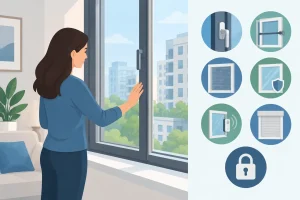
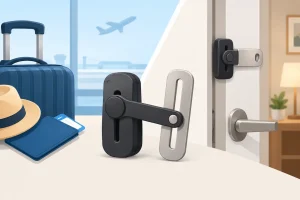
Doors and windows should lock securely and operate without sticking. If a lock is frustrating to use, it may not get used consistently. Window and door alarms can add another layer of awareness without making the home feel complicated. In some homes, a simple safety light, visible dummy camera, or compact alarm system can create a stronger sense of control.
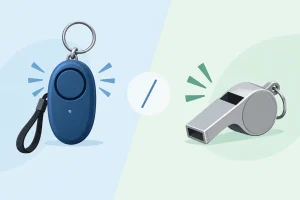
There is a balance here. Security tools should feel manageable, not intimidating. A senior who avoids using a device because it feels too complex is not getting much protection from it. Practical, easy-to-use solutions usually win. That is one reason many families look for straightforward security products from trusted sources like Elite Warrior Defense.
Every senior household needs a clear plan for what happens if something goes wrong. That includes medical emergencies, power outages, severe weather, and fire. Important phone numbers should be written down in a visible place, not stored only in a cell phone. If medication is part of the daily routine, keep it organized and easy to identify.
Smoke alarms and carbon monoxide detectors should be installed in the right places and tested on schedule. If hearing is limited, stronger alert systems may be worth considering. A flashlight in the bedroom, another in the living room, and backup batteries are small steps that pay off quickly during outages.
It also helps to think through response time. If a senior lives alone, how quickly could someone notice a problem or check in? Daily calls, a neighbor plan, or a medical alert option can all help. The best setup depends on health, routine, and how independent the person wants to remain.
A safer home is not built in one afternoon and forgotten. Needs change. Vision changes. Balance changes. The home itself changes too, as rugs shift, bulbs burn out, and locks wear down. Revisit the checklist regularly and after any health change, fall, or close call.
The strongest approach is simple: fix the hazards that can hurt someone today, then improve the rest in stages. A brighter hallway, a more secure front door, a safer bathroom floor – these are not small upgrades when they protect independence. A home should give seniors confidence, not force them to gamble with everyday routines.



YOU’RE IN!
Use this code on every order
🎉
Here’s Your Code!
Use it now an on every future order.
YOUR DISCOUNT CODE
We also sent this code to your email for safekeeping.
EXCLUSIVE OFFER
Every order – not just your first!
Unlock Your Discount Instantly
Enter your email below and your personal 15% discount code appears right here – no need to check your inbox.
🔒 We respect your privacy. Unsubscribe anytime.