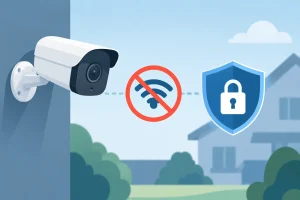
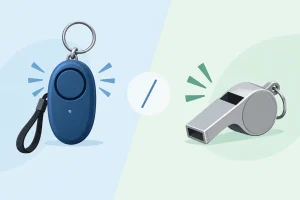
Monthly fees add up fast, and they are often attached to features many homeowners barely use. If you want home security without subscription costs, you are not settling for less. You are choosing a setup you control, one that protects your home without locking you into another recurring bill.
That choice makes sense for a lot of households. Maybe you want basic intrusion alerts, visible deterrents, and a way to check on your property without paying year after year. Maybe you rent, move often, or simply prefer security tools you own outright. Whatever the reason, the best no-fee setup starts with knowing what you actually need to protect.
What home security without subscription really means
A subscription-free system usually means you buy the equipment once and use its core functions without a monthly plan. That can include door and window alarms, motion-activated lights, local-recording cameras, dummy cameras, and simple alert devices that work right out of the box.
What it does not always mean is zero compromise. Some smart cameras offer live view for free but charge for cloud video history. Others let you record locally to a memory card, but you may give up AI alerts or long-term storage. The right setup depends on whether your top priority is deterrence, evidence, convenience, or all three.
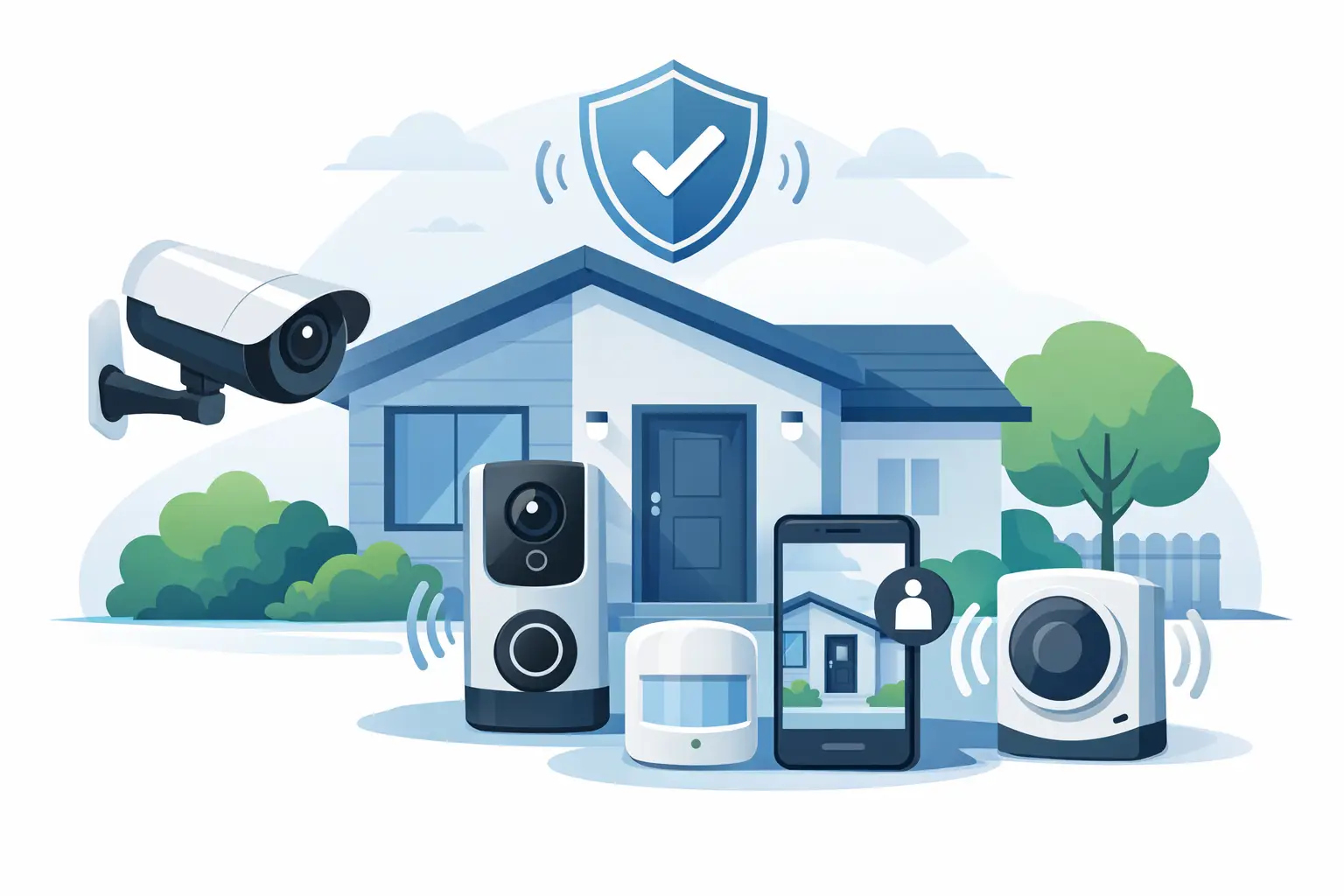
For many homeowners, the strongest approach is layered protection. One device rarely covers every weak point. A front door camera helps, but it does not secure a back window. A loud alarm helps, but it does not light a dark side entrance. Real protection comes from combining visible deterrents with simple response tools.
Start with the weak points, not the gadgets
Before buying anything, walk your property like a stranger would. Look at your front door, back door, first-floor windows, garage access, sliding doors, and side yards. Notice dark areas, hidden entry points, and spots where someone could approach without being seen.
This matters because a budget-friendly system can be very effective if it covers the right places. It can also be a waste of money if you load up on tech while ignoring the obvious access points. A small apartment may only need reinforced entry alerts and one camera. A single-family home may need several layers spread across the perimeter.
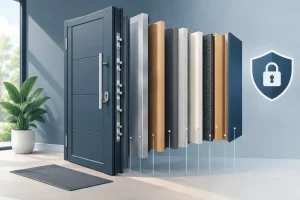
Think in terms of delay, detection, and deterrence. Delay means making entry harder. Detection means knowing when something is happening. Deterrence means making your home look like more trouble than it is worth.
The best tools for home security without subscription fees
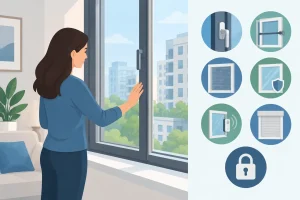
Door and window alarms are one of the smartest starting points. They are affordable, easy to install, and immediately useful. If a door or window opens when it should not, you get a loud alert that can scare off an intruder and draw attention fast.
Motion-activated security lights are another strong move. Criminals prefer darkness and privacy. A bright light at the wrong moment can ruin both. Focus on entry points, driveways, side paths, and backyard access.
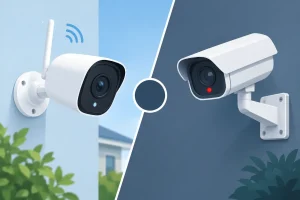
Local-storage cameras can be a solid fit if you want video evidence without paying for cloud storage. Look for cameras that record to a microSD card or a local hub. That gives you more control over your footage and eliminates recurring fees, though it also means you are responsible for checking storage capacity, power source, and placement.
Dummy cameras still have value when used honestly as deterrents within a broader system. On their own, they are not enough. Paired with real alarms, lighting, and visible warning signs, they can make a property look better protected from the street.
Simple hidden cameras can also serve a purpose indoors, especially for monitoring specific rooms, entryways, or suspicious activity. They are not a replacement for perimeter protection, but they can add another layer where it counts.
Where people get it wrong
One common mistake is relying on a single camera and calling it a security system. Cameras are useful, but they mostly document what happened. If you want to stop an intruder before they get far, alarms and lights often do more in the moment.
Another mistake is choosing convenience over coverage. A camera with a sleek app may look appealing, but if it misses the side gate or cannot clearly capture the main entrance, it is not doing the job. Placement matters more than flashy features.
There is also the issue of false confidence. A no-subscription setup can absolutely protect your home, but only if you maintain it. Batteries need replacing. Memory cards need checking. Sensors need testing. A disconnected device protects nothing.
Building a practical setup on a real budget
You do not need a massive system to make your home tougher to target. A practical entry-level setup might include door and window alarms on the most likely access points, motion lights outside, and one or two local-recording cameras covering the front door and rear entry.
From there, you can add layers based on your home and neighborhood. Ground-floor apartments may benefit from extra window alarms and a door brace. Homes with detached garages may need a separate alarm and light coverage there. If package theft is common, front-entry camera placement becomes even more important.
This is where affordability matters. Security should not feel out of reach. The goal is not to buy everything at once. The goal is to close your biggest gaps first, then strengthen your setup over time.
How to choose the right no-fee devices
Look for products that still work well without paid add-ons. That sounds obvious, but it is easy to miss. Some devices are marketed as affordable until you realize key functions are locked behind a subscription.
Pay attention to power and storage. Battery-powered devices are easier to install, but they require regular upkeep. Wired options can be more reliable, though they may take more effort upfront. For cameras, local storage is essential if you want home security without subscription charges, so confirm that footage can actually be recorded and accessed without a monthly plan.
Ease of use matters too. In a stressful moment, complicated tools can slow you down. Choose alarms that are easy to arm, lights that trigger reliably, and cameras with clear footage in the conditions you actually have, especially at night.
Why visible deterrence still matters
A lot of homeowners focus only on recording incidents, but prevention is the stronger win. If an intruder never attempts entry because your home looks alert and defended, that is success.
Visible alarms, security signage, outdoor lighting, and strategically placed cameras all send a message. This property is not easy. That message matters. Most criminals do not want noise, attention, or delay.
That is one reason many buyers choose practical security products over complicated contracts. You are not paying for the appearance of safety. You are putting real, visible barriers in place.
A smarter layered approach
The strongest setups combine outdoor deterrence with indoor alerts. If someone approaches, they should hit light and visibility first. If they try a door or window, they should trigger a loud response. If they continue, you should have footage and a clearer timeline of what happened.
That layered strategy works in houses, apartments, condos, and rental properties. It also works for people who want control without a long-term commitment. Brands like Elite Warrior Defense appeal to that mindset because practical protection should be accessible, not buried inside monthly fees and complicated packages.
There is no single perfect system for every home. A quiet suburban street, a busy apartment complex, and a rural property all have different risks. But the principle stays the same. Cover the likely entry points, create noise and visibility, and make sure your equipment works without depending on a subscription to be useful.
Security is not about chasing the most expensive setup. It is about making your home a harder target today than it was yesterday. Start with the basics that stop, expose, and discourage intruders, then build from there with confidence.