


Personal Panic Alarm 130dB with 350-Lumen Strobe Light — Pull Pin Activation, Keychain-Ready, ABS Rubberized Grip, 2 CR2032 Batteries Included, Available in Black, Blue, Pink
$15.00
Buy with Confidence
Covered by a 30-Day Money Back Guarantee. If it's not right for you, returns are easy and hassle-free.

Secure checkout • 100% Satisfaction Guaranteed • 30 Day Money Back Guarantee • Easy Returns • Fast Customer Support
- 130dB alarm siren — among the loudest personal alarms available
- 350-lumen strobe light disorients aggressors and signals your location
- Ring-style pull pin activation works even in high-stress situations
- Rubberized ABS plastic construction for a secure, non-slip grip
- 2 CR2032 batteries included — ready to use immediately
130 Decibels and a Blinding Strobe — Two Layers of Protection in Your Hand
There’s loud, and then there’s 130 decibels. This personal panic alarm fires off a siren that rivals a military jet at 100 feet — the kind of sound that shuts down any aggressor’s plan and forces every head in the area to turn your direction. Add a 350-lumen strobe flashing directly in an attacker’s eyes, and you’ve got a two-pronged defense system that fits on your keychain.
Who This Personal Alarm Is For
The pull-pin design makes this alarm ideal for anyone who needs absolute reliability under pressure. Grade school students, college students walking campus at night, and elderly family members all benefit from an activation method that requires zero fine motor skills — just pull.
Nurses, rideshare drivers, and late-shift workers who regularly find themselves in isolated situations will appreciate the dual alarm-and-strobe output. The strobe doesn’t just disorient — it marks your exact location for anyone responding to the sound.
Is This the Right Choice for You?
Choose this Panic Alarm if you want:
- Maximum volume at 130dB — louder than most personal alarms on the market
- A 350-lumen strobe that disorients threats and signals your location
- Pull-pin activation that works when hands are shaking and adrenaline is high
Consider something else if you need:
- A smaller, lighter option — the Mini Personal Alarm 120dB weighs less and clips to a belt
- A physical self-defense tool like pepper spray or a stun gun for direct contact situations
Why the Pull Pin and Strobe Change Everything
Most personal alarms use buttons. Buttons work — until your hands are shaking, your fingers are cold, or you’re wearing gloves. The ring-style pull pin on this alarm eliminates that problem entirely. Slide a finger into the ring, pull down on the body of the alarm, and the 130dB siren and 350-lumen strobe activate instantly. No aim required, no buttons to find in the dark.
The 350-lumen strobe serves double duty. In the moment of an attack, it floods the aggressor’s vision with disorienting light pulses. For bystanders and first responders, it creates a visible beacon that pinpoints exactly where help is needed. This combination of sound and light makes the Panic Alarm one of the most effective non-contact personal safety devices available.
Quick Comparison: How Does the 130dB Panic Alarm Stack Up?
| Feature | 130dB Panic Alarm with Strobe | Mini Personal Alarm 120dB | Compact Pepper Spray | Personal Stun Gun |
|---|---|---|---|---|
| Sound Output | 130dB ✔ | 120dB | None | None |
| Visual Deterrent | 350-Lumen Strobe ✔ | LED Flashlight | None | Arc Display |
| Activation Method | Pull Pin ✔ | Button Press | Press + Aim | Button + Contact |
| Requires Contact | No ✔ | No ✔ | Close Range | Yes |
| Legal Everywhere | Yes ✔ | Yes ✔ | Restrictions Apply | Restrictions Apply |
| Best For | Maximum deterrence | Lightweight daily carry | Direct spray defense | Close-range stopping |
Practical Details
Measures 3.75″ x 1.25″ x 0.63″ and weighs 0.15 lbs. Constructed from durable ABS plastic with a rubberized coating for secure grip. Powered by 2 CR2032 batteries (included). Attaches to keys with the included key ring. Available in Black, Blue, and Pink. Manufactured by Safety Technology.
Equip yourself with the 130dB Panic Alarm and carry the confidence that comes with two layers of protection — deafening sound and blinding light — right on your keychain.
How does the pull-pin activation work?
Slide your finger into the ring at the top of the alarm. Pull the body of the alarm downward, separating it from the pin. The 130dB siren and 350-lumen strobe activate instantly and continue until the pin is reinserted. This design works reliably even when your hands are shaking or you’re wearing gloves — no precise button pressing required.
Is 130dB safe for the person carrying the alarm?
Brief exposure to 130dB is not harmful but will be uncomfortable — which is exactly the point. The alarm is designed to create an immediate scene that draws attention and drives an attacker away. In a real emergency, the momentary discomfort to you is far outweighed by the safety the alarm provides. If testing the alarm, hold it at arm’s length.
Can I take this alarm on an airplane?
Personal alarms are generally permitted in both carry-on and checked luggage by the TSA, as they contain no hazardous materials. However, airline policies can vary, so it’s worth checking with your specific carrier before flying. The compact size makes it easy to pack in any bag.
| Manufacturer | Safety Technology |
|---|---|
| Decibles | 130 db |
| Battery | 2 CR2032 (Included) |
| Flashlight | 350 Lumens |
| Material | ABS Plastic + Rubberized Coating |
Additional information
Related products
-

Tactical Black Twist Pen with Glass Breaker – Aircraft Aluminum EDC
$10.95 Add to cart -

Safety Technology Electronic Dog Repeller and Trainer Ultrasonic 35-45 kHz — Humane Canine Deterrent, ABS Plastic Housing, 9-Volt Battery Powered, Compact Handheld Design
$19.00 Add to cart -
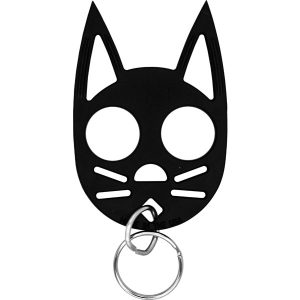
Cat Strike Self-Defense Keychain — Ultra-Tough Polymer Plastic, Pointed Ear Strike Tips, Finger-Hole Grip, Made in USA, 3.25″ x 2.13″, 6 Colors Including Glow-in-the-Dark
$8.97 Select options This product has multiple variants. The options may be chosen on the product page -

2-in-1 Personal and Burglar Door Alarm 120dB — Dual-Function Portable Security, Motion-Activated Door Knob Sensor, Pull-Chain Personal Alarm, 9V Battery Powered, Compact Travel Size
$10.95 Add to cart
Reviews
There are no reviews yet.