

Water Overflow Sensor Attachment for PAL-1 and PAL-1LIGHT Personal Alarms — Flood Detection, Suction Cup Mount, 27-Inch Sensor Cable, Washing Machine and Water Heater Protection
$2.00
Buy with Confidence
Covered by a 30-Day Money Back Guarantee. If it's not right for you, returns are easy and hassle-free.

Secure checkout • 100% Satisfaction Guaranteed • 30 Day Money Back Guarantee • Easy Returns • Fast Customer Support
Water damage doesn't announce itself — by the time you see it, the damage is done. The Water Overflow Sensor Attachment connects to your PAL-1 or PAL-1LIGHT personal alarm and sounds the alert the moment water touches the sensor. Place it near a washing machine, water heater, bathtub, or basement floor and get the early warning that prevents expensive cleanup.
- Activates alarm instantly when the sensor detects water contact
- Connects directly to PAL-1 or PAL-1LIGHT personal alarms
- 27-inch sensor cable provides flexible placement around water sources
- Suction cup mount for easy, no-tool installation on any smooth surface
- Lightweight at 0.1 lbs — position it and forget it until you need it
Early Warning That Saves You Thousands
A burst washing machine hose, a failing water heater, or a backed-up drain can cause thousands of dollars in damage before you even notice. The Water Overflow Sensor Attachment turns your PAL-1 or PAL-1LIGHT personal alarm into a flood detection system that alerts you the second water reaches the sensor — often before any real damage occurs.
Who This Sensor Attachment Is For
Homeowners with washing machines on upper floors know the risk — a single hose failure can send water cascading through ceilings and walls. Anyone with an older water heater, a basement prone to moisture, or a property they don’t monitor daily should have water detection in place.
Landlords managing rental properties, travelers who leave homes unattended, and anyone with expensive flooring or electronics near water sources will appreciate the peace of mind that early detection provides. If you already own a PAL-1 or PAL-1LIGHT, this attachment extends its mission from personal security to property protection.
Simple Detection That Works When You’re Not Watching
The sensor operates on a straightforward principle — when the cable contacts water, it triggers your connected PAL alarm. No Wi-Fi required, no app to configure, no false alarms from humidity. It responds to actual water contact only, which means when it sounds, you need to pay attention.
The 27-inch sensor cable gives you flexibility to position the detection point exactly where water would appear first — at the base of a water heater, behind a washing machine, along a basement wall, or near a bathtub overflow. The included suction cup mount attaches to any smooth surface for secure positioning without tools or adhesives.
Is This the Right Choice for You?
Choose the Water Overflow Sensor if you want:
- Affordable flood detection using your existing PAL-1 or PAL-1LIGHT alarm
- Simple water-contact activation with no Wi-Fi or app setup
- Flexible 27-inch cable for precise placement near water sources
Consider something else if you need:
- Standalone flood detection — this requires a PAL-1 or PAL-1LIGHT to function
- Smart home integration with phone alerts — a Wi-Fi water sensor offers remote notifications
Quick Comparison: How Does the Water Overflow Sensor Stack Up?
| Feature | Water Overflow Sensor | Wi-Fi Water Sensor | Floor Moisture Mat | Manual Inspection |
|---|---|---|---|---|
| Alert Method | Audible alarm ✔ | Phone notification ✔ | Visual indicator | None |
| Setup Required | Connect + mount ✔ | Wi-Fi, app install | Place on floor | N/A |
| Remote Alert | No — audible only | Yes ✔ | No | No |
| Cost | Under $5 ✔ | $20-50 | $10-20 | Free |
| Requires Hub/App | Requires PAL alarm | Requires Wi-Fi | No ✔ | No ✔ |
| Best For | PAL alarm owners | Smart home setups | Visual monitoring | Regular checks |
Practical Details
The Water Overflow Sensor Attachment features a 27.13-inch sensor cable and weighs just 0.1 lbs. Black housing with included suction cup for tool-free mounting. Connects directly to the PAL-1 or PAL-1LIGHT personal alarm (sold separately). No batteries required for the sensor itself — it draws power from the connected alarm unit. Made by Safety Technology.
Protect your home from costly water damage — add the Water Overflow Sensor Attachment to your PAL alarm and get the early warning that matters.
Frequently Asked Questions
Does this work with any personal alarm or just the PAL-1 models?
This sensor is designed specifically for the PAL-1 and PAL-1LIGHT personal alarms from Safety Technology. It connects directly to the auxiliary port on these units. It is not compatible with other personal alarm brands or models. If you don’t already own a PAL-1 or PAL-1LIGHT, you’ll need to purchase one separately for the sensor to function.
Will humidity or condensation trigger false alarms?
No. The sensor is designed to respond to direct water contact — not ambient humidity, condensation, or moisture in the air. The cable needs to physically touch standing water or an active leak to trigger the alarm. This means you can place it in naturally humid environments like basements without worrying about nuisance alerts.
How do I position the sensor for best results?
Place the sensor cable at the lowest point where water would accumulate first — typically on the floor behind a washing machine, at the base of a water heater, or along the wall where a basement leak would appear. Use the suction cup to secure the alarm unit at a higher position where you can hear it clearly. The 27-inch cable gives you enough reach to separate the sensor point from the alarm itself.
| Color | Black |
|---|---|
| Included | Suction Cup |
| Weight | 0.1 lbs |
| Dimensions | 27.13" x 0.13" |
Additional information
Related products
-

Keychain Personal Alarm with LED Flashlight 130dB — Pin-Pull and Button Activation, Flashing Light Deterrent, Compact 3″ x 1″ Design, AAA Battery Powered, Keyring Included
$10.00 Add to cart -

3000-Lumen LED Self-Defense Flashlight – Zoomable, Rechargeable
$44.95 Add to cart -
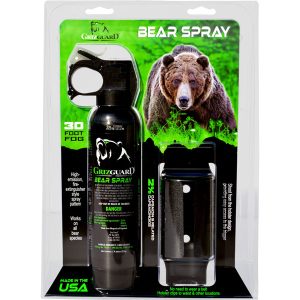
GrizGuard Bear Spray 7.9 oz Fogger with 30-Foot Range — Safety Clip Activation, Hip Clip Holster, Glow-in-the-Dark Safety Wedge, Bear Safety Booklet Included
$49.00 Add to cart -

2-in-1 Personal and Burglar Door Alarm 120dB — Dual-Function Portable Security, Motion-Activated Door Knob Sensor, Pull-Chain Personal Alarm, 9V Battery Powered, Compact Travel Size
$10.95 Add to cart
Reviews
There are no reviews yet.