
A personal defense cane serves double duty-it supports your mobility while giving you a practical way to protect yourself. Whether you’re a student walking home late, a senior wanting extra security, or anyone concerned about personal safety, the right cane makes a real difference.
We at Elite Warrior Defense LLC know that picking the right defense cane means balancing comfort, effectiveness, and legal considerations. This guide walks you through exactly what to look for.
The weight of your cane matters far more than most people realize. A cane that’s too heavy exhausts your arm during daily use and slows your defensive response when you need it most. Effective personal defense canes weigh between 16 and 24 ounces, which gives you enough mass for impact without turning your arm into a liability. Lighter canes around 16 ounces work well if you have limited grip strength or arthritis, while heavier models around 24 ounces deliver more force but demand better fitness. Balance is equally critical-the weight should sit toward the bottom of the shaft, not concentrated in the handle.

This low center of gravity lets you swing and control the cane with minimal effort. When you hold a well-balanced cane, you feel stable immediately, not like you’re fighting the tool itself. Test any cane by holding it at your natural grip point for at least five minutes. If your hand tires or your wrist strains, that cane won’t serve you in a real situation.
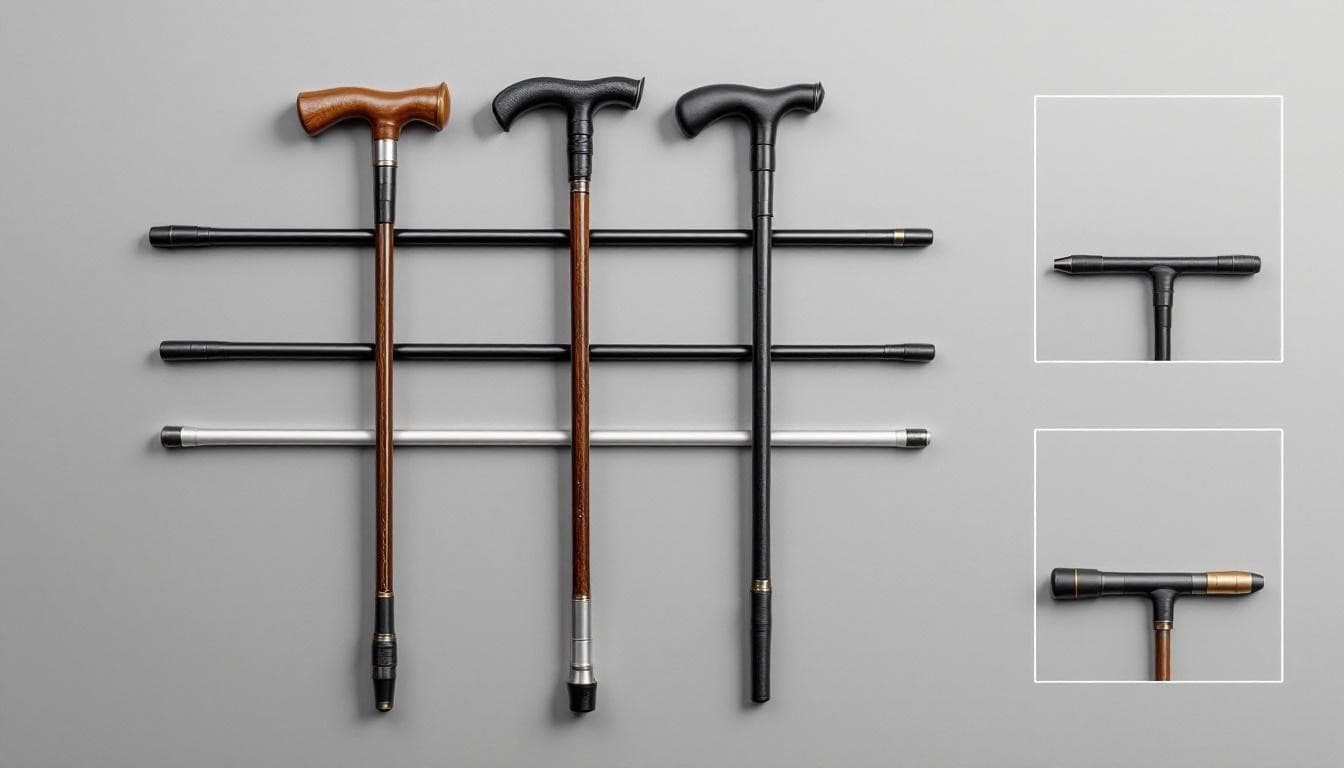
Your grip is everything in a defense scenario. A cane with a poor grip becomes useless the moment your hand sweats or shakes. Wood remains the gold standard because it provides natural texture and warmth that synthetic materials can’t match, and many effective canes use hardwoods like oak or hickory. The grip diameter should fit your hand comfortably-too thin and you lose leverage, too thick and your fingers can’t close properly. Palm rests, which protrude from the handle’s top, give you significantly better control during strikes and defensive movements. The grip area must also remain accessible during actual use, which means you shouldn’t overload the cane with so many defensive features that your fingers have nowhere to hold safely. Material quality matters here too-cheap wood splinters, cracks, and fails when you need it most, while quality hardwood withstands repeated use and weather exposure.
A defense cane takes punishment. The shaft must handle strikes against hard surfaces, potential impacts with bone, and the constant stress of your daily walking companion. Solid hardwood construction outperforms hollow designs because it won’t collapse under impact pressure. Nylon-fiber canes offer another excellent option if you live in wet climates or urban environments where weather exposure happens constantly-these nearly indestructible materials maintain structural integrity far longer than wood while staying lightweight. The joints where the handle connects to the shaft represent the failure point in most poorly made canes. Look for canes with reinforced connections and no visible gaps or movement when you flex them gently. Handcrafted canes built to your specifications outperform mass-produced models because builders can reinforce weak points and ensure proper weight distribution. You get a tool engineered for your specific strength and use case rather than a one-size-fits-all product that compromises somewhere. Inspect the finish too. Quality finishes protect the wood or material underneath from cracking and splitting, which extends your cane’s lifespan significantly.
Your living situation shapes which material works best for you. Solid hardwood canes (oak, hickory, or similar) deliver classic reliability and natural grip texture, making them ideal for indoor use or dry climates. Nylon-fiber construction handles wet weather, salt air, and constant outdoor exposure without deteriorating-a major advantage if you live near the coast or in rainy regions. Rattan canes offer a middle ground, providing martial-arts-grade strength while maintaining a lightweight profile that won’t tire your arm. Each material responds differently to temperature changes and humidity, so consider your actual environment rather than what looks best in a showroom. The material you choose directly affects how long your cane lasts and how reliably it performs when you need it.
The right cane matches your physical reality, not an idealized version of yourself. If you have arthritis or limited grip strength, a lighter cane with a palm rest becomes non-negotiable rather than optional. If you’re younger and stronger, you can handle a heavier model that delivers more impact force. Your height matters too-a cane that’s too short forces you to bend awkwardly, while one that’s too long throws off your balance and makes defensive movements clumsy. Test multiple models before you commit, and pay attention to how your body feels after holding each one for several minutes. The cane that feels right immediately is the one that will actually work for you. Once you understand what weight, balance, and grip quality mean for your specific needs, you can evaluate the defensive features that transform a walking aid into genuine protection.
A defense cane works only if it delivers real stopping power when you need it. Strike capability depends on three concrete factors: shaft diameter, weight distribution, and material density. Thicker shafts concentrate force into smaller impact areas, which means more pressure per square inch hits an attacker.

A shaft diameter between 1.25 and 1.5 inches hits the sweet spot for most people, offering enough surface area to grip comfortably while maintaining concentrated impact force. Heavier canes naturally deliver more kinetic energy during a strike, which is why our earlier discussion about weight matters so much for defense rather than just comfort. A 24-ounce hardwood cane with proper weight toward the shaft delivers measurably more stopping force than a 16-ounce model.
Material density amplifies this effect dramatically. Solid hardwood like oak or hickory transfers energy more efficiently than hollow designs or lighter materials, meaning your strike actually stops threats rather than bouncing off. The teardrop or octagonal shaft designs increase impact concentration by creating a sharp striking edge along the cane’s middle, transforming a blunt walking aid into genuine defensive equipment. These aren’t theoretical advantages-the physics of momentum means a properly weighted cane moving at speed creates real force, and denser materials don’t absorb that energy through deformation the way lighter construction does.
Daily walking support and legal protection work together because a cane that doesn’t function as an actual mobility aid becomes legally questionable in many jurisdictions. The Americans with Disabilities Act protects your right to carry a cane. A cane that genuinely supports your walking (with proper weight distribution, appropriate height, and a comfortable grip) proves its primary purpose is mobility, not primarily a weapon. This distinction matters legally and practically.
A cane that feels stable during your daily walk, doesn’t tire your arm, and supports your natural stride becomes part of your routine rather than something you’re carrying for defense. This normalcy is exactly what authorities expect to see. Your cane must perform reliably as a walking aid first, which means testing it on various surfaces and terrain before you rely on it for protection.
Visibility relates directly to legality. A cane that looks like a standard walking aid rather than an overtly weaponized tool stays legal in virtually all regions. Stealth models maintain this inconspicuous appearance while delivering full defensive capability. A cane disguised as a weapon or one that’s obviously tactical might face legal challenges even in areas where self-defense tools are generally permitted.
The most effective defense cane is one you can carry openly, use daily without drawing attention, and deploy confidently because it actually works for both walking and protection. This balance between capability and legality shapes which models work best for your situation. Understanding these three elements-strike force, walking stability, and legal standing-positions you to evaluate specific cane designs that match your actual needs and environment.
Your physical capacity determines everything about which cane actually works for you, and selecting the wrong weight means carrying a tool that fails when you need it most. If you have limited grip strength from arthritis, age, or previous injury, a cane heavier than 18 ounces becomes counterproductive because your hand fatigues within minutes of holding it. Lighter models around 16 ounces paired with a palm rest give you the control and stopping power you need without exhausting your arm. Conversely, if you’re younger with solid grip strength and good upper body fitness, a heavier cane delivers substantially more impact force during a defensive strike.
Test your actual grip strength by holding a cane at various weights for five full minutes, not just thirty seconds in a store. Your hand should feel stable and ready, not already tired. This real-world test reveals whether a particular weight works for your body rather than what manufacturers claim on paper.
Height matters equally because an improperly sized cane throws off your entire balance and makes defensive movements awkward. The cane should reach your wrist when your arm hangs naturally at your side. Too short forces you to bend, creating back strain and reducing stability during walking. Too long shifts your center of gravity and makes quick movements difficult.
Women often receive canes sized for men, which creates exactly this problem. Visit a physical therapist or mobility specialist if you’re uncertain about your sizing, because they measure dozens of people monthly and know what actually works versus what manufacturers claim. Proper sizing takes minutes but affects your safety and comfort for years.
Your environment shapes which material and design features make sense for your daily life. Someone living in a wet coastal climate needs a nylon-fiber cane that resists salt damage and moisture, while a person in a dry climate can use traditional hardwood without worry about deterioration. Urban environments with concrete sidewalks and rough terrain demand different construction than suburban neighborhoods with smooth pavement.
A student walking to classes needs a lightweight model that won’t tire the arm during hours of daily carrying, while a retired person who walks shorter distances can handle more weight for better defensive capability. Your daily activities determine how much training and practice you actually need before relying on the cane for protection. Someone who walks alone at night through unfamiliar areas should invest time learning defensive techniques like how to use the crook for hooking or the shaft for blocking. A person primarily using the cane for mobility support in familiar, well-lit environments needs minimal training.
Comfort during extended use matters because an uncomfortable cane gets abandoned, leaving you unprotected. The grip should feel natural in your hand without requiring conscious adjustment. The weight distribution should support your walking stride without pulling your shoulder or straining your wrist.

Spend at least thirty minutes walking with any potential cane before purchasing, testing it on stairs, uneven ground, and around corners where defensive movements might occur. Walk in the actual conditions you’ll face daily-not just smooth store floors. The cane that feels right immediately is the one you’ll actually carry and use consistently. This hands-on evaluation beats any online review because your body provides the most honest feedback about whether a specific cane works for your needs.
Selecting the right personal defense cane means matching weight, grip quality, and strike capability to your actual life rather than chasing an idealized version of yourself. Your physical capacity, environment, and daily activities determine which specifications work best, and honest self-assessment beats wishful thinking every time. Test multiple models in your real environment, walk with them for extended periods, and pay attention to how your body responds before you commit.
We at Elite Warrior Defense LLC recognize that finding the right personal defense cane requires more than browsing product listings. Our team offers a free Cane Consultation to help you identify the exact specifications that match your needs, and we stand behind every cane with a Happiness Guarantee. If your cane doesn’t meet your expectations, we make it right.
Visit Elite Warrior Defense to explore our full selection and schedule your consultation today. Your safety matters, and the right personal defense cane makes that protection practical and reliable.