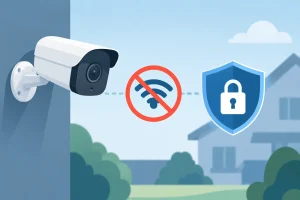
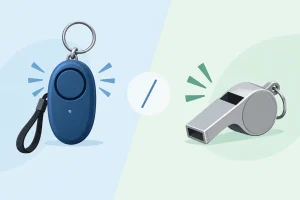
Selecting a home security system is not a decision to be made lightly. The peace of mind and protection that these systems provide cannot be understated. With the rising importance of securing our abodes against potential threats, understanding what truly constitutes the best home security system is pivotal. This article delves deeply into the nuances of home security, addressing the crucial elements that garner attention from conscientious homeowners.
Understanding What ‘Best’ Means
What qualifies a home security system as the best? Is it the breadth of technological advancements, such as smart integrations and HD surveillance cameras? Or is it the more traditional approach, focusing on straightforward, reliable alarms and locks? The truth often lies somewhere in between, heavily influenced by personal circumstances and priorities.
Customization and Scalability
One of the fundamental aspects that make a security system outstanding is customization. No two homes are exactly alike, and neither are their security needs. A system that allows homeowners to curate components—be it motion detectors, glass break sensors, or additional cameras—is crucial. Additionally, the ability to scale—expanding with further devices or upgrading as tech evolves—is vital for long-term satisfaction.
DIY vs. Professional Installation
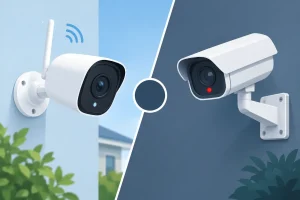
The choice between DIY and professionally installed systems significantly impacts both cost and functionality. DIY systems, usually wireless, offer affordability and flexibility, appealing to renters or those with a knack for gadgets. On the other hand, professional installation promises expertise and intricate setups, such as hardwired systems that might integrate better with existing home infrastructures.
Evaluating Key Features
The distinguishing features of leading home security systems often include smart capabilities, user-friendliness, and comprehensive monitoring options. Exploring each element provides better insights into making informed decisions tailored to your security concerns.
Smart Integrations
Modern systems’ smart capabilities allow integration with devices like Amazon Alexa or Google Assistant, enabling seamless control over security and other home functions. Such integrations foster an environment where lights, locks, and cameras collaborate to offer a cohesive security blanket.
User Experience and Controls
Intuitive apps and control panels are essential for ensuring ease of use. Homeowners should look for systems with clear instructions and responsive customer support. The power lies in the ability to manage settings remotely, receive alerts, and swiftly address issues, all of which contribute to a sense of empowerment and control.
Monitoring Services
Professional monitoring services are the backbone of many top-tier security systems. These services ensure that authorities are dispatched rapidly during an emergency. While self-monitored systems can reduce costs, they require vigilant monitoring by the homeowner, which may not always be feasible.
Trade-offs to Consider
Decisions around a home security system often involve trade-offs, reflecting the diverse priorities of different households.
Cost vs. Comprehensive Coverage
While cost-effective options might be appealing, they sometimes lack the breadth of coverage or feature-set found in more comprehensive systems. It’s essential to balance budget against the potential risks and vulnerabilities specific to one’s home environment.
Technology vs. Reliability
Cutting-edge technology, such as AI analytics or advanced biometrics, is enticing but can sometimes falter, especially during tech glitches or power outages. Opting for systems known for their reliability—even if less flashy—can ensure consistent performance.
Top Recommendations and Reviews
Wirecutter and similar experts frequently review home security systems, focusing on performance metrics like ease of installation, feature richness, and customer service quality. When dissecting these reviews, certain systems emerge as leaders in the field.
SimpliSafe
SimpliSafe is celebrated for its straightforward installation and effective components. It’s particularly praised for the flexibility in device selection, allowing homeowners to pick and choose based on specific needs.
ADT
ADT, a stalwart in the field, offers robust professional monitoring and trusted brand recognition. While typically on the higher end of the price spectrum, its reputation for dependability is unmatched.
Ring
Ring provides extensive camera options and integrations with the Amazon ecosystem, making it ideal for users already embedded in smart home technology.
Factors Trending with Home Security
The industry of home security isn’t static—it evolves with technological innovations and shifts in consumer priorities.
Artificial Intelligence
AI is increasingly embedded in security systems, enhancing capabilities such as real-time analytics and false alarm reduction. These advancements aim to streamline operations and meet the expectations of tech-savvy consumers who demand precision and accuracy.
Sustainable Practices
There’s a growing demand for environmentally sustainable security solutions. Eco-friendly products with low power consumption or those reliant on solar power are increasingly favored, resonating with consumers mindful of their environmental impact.
Privacy Concerns
With enhanced connectivity comes the heightened risk of privacy breaches. Companies are investing heavily in cybersecurity measures to protect users’ data and maintain trust.
Conclusion
Selecting the best home security system requires a thoughtful balance between innovation, reliability, and personal requirements. As technologies evolve, systems will become increasingly sophisticated, but the foundational need for intuitive, dependable protection remains constant. Making an informed choice today, with room for future upgrades, ensures long-lasting peace of mind. For an array of security solutions tailored to diverse needs, considering outlets like Elite Warrior Defense can provide a robust start in safeguarding what matters most.