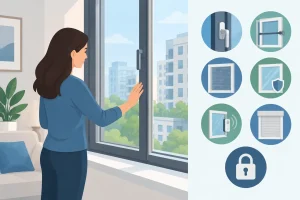


A few years ago, most people bought a home alarm for one reason – make noise if a door opens. That baseline is changing fast. The biggest wireless alarm trends 2026 will bring are less about flashy gadgets and more about faster warnings, simpler control, and better protection for real homes with real budgets.
If you are upgrading your setup or buying your first system, this matters. A wireless alarm is no longer just a siren on a window or door. It is becoming part of a broader safety strategy that can include entry alerts, motion detection, cameras, remote notifications, backup power, and even personal protection tools that help cover the gaps no home device can fully solve.
The shift toward wireless systems is happening for a simple reason – people want protection they can install, understand, and trust without turning their house into a construction project. Renters want flexibility. Homeowners want coverage without drilling through every wall. Families want quick alerts that reach them even when they are not in the next room.
That does not mean every wireless system is automatically better. Wired systems still have strengths, especially in larger properties or custom-built security setups. But for most households, wireless alarms offer a more practical path to solid protection. They are easier to place, easier to expand, and usually easier to replace if your needs change.
In 2026, that practicality is getting sharper. The trend is not just more features. It is better use of features that people will actually rely on.
One of the most useful changes is not louder sirens or more sensors. It is better judgment. Newer wireless alarms are improving how they handle triggers, timing, and context so users get fewer alerts that waste time and more alerts that deserve attention.
That can mean motion sensors that better distinguish between a person and a pet, or systems that pair a door opening with motion activity before escalating an alert. For homeowners, this matters because too many false alarms train people to ignore warnings. A good system should build confidence, not create alert fatigue.
There is still a trade-off here. The more selective a system becomes, the more careful setup matters. Poor sensor placement can still create problems. Smart features help, but they do not erase the need for common-sense installation.
DIY security is no longer the budget option that feels like a compromise. It is becoming the standard for many buyers. Wireless systems in 2026 are leaning even harder into peel-and-place sensors, app-based setup, and flexible device pairing that does not require a technician.
That is a major win for people who want to protect an apartment, dorm-adjacent space, condo, garage, or small home without waiting on an installer. It is also a better fit for families who may move and want to take their gear with them.
Still, easy installation should not be confused with careless installation. A door alarm placed too low, a motion sensor aimed at the wrong traffic path, or a camera pointed into glare can reduce the value of the whole system. The best trend here is that manufacturers are making setup easier while also giving clearer placement guidance.
One of the most important wireless alarm trends 2026 will reinforce is the move away from one-device thinking. A single alarm on a front door is better than nothing, but it leaves blind spots. Stronger home security comes from layers.
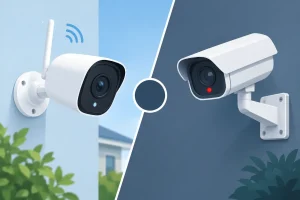
In practical terms, that means more people are combining door and window alarms with motion alerts, hidden cameras, safety lighting, and visible deterrents like dummy cameras. Each device handles a different part of the problem. Entry sensors warn you when access is attempted. Cameras help verify what is happening. Lights reduce concealment. Visible deterrents may make someone think twice before trying anything at all.
This layered approach is especially useful for people watching costs. You do not need a fully integrated premium setup on day one. You can start with the most vulnerable entry points and build outward over time. That is a realistic security plan for a lot of households.
Remote access is becoming a standard expectation. Users want to arm and disarm systems, check notifications, view device status, and review activity from their phones. In 2026, app design is getting cleaner, faster, and easier for everyday users who do not want a steep learning curve.
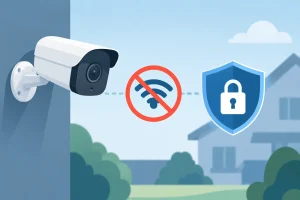
That is good news, but there is a line worth watching. A wireless alarm should be convenient through an app, not crippled without one. If your phone battery dies, your Wi-Fi goes down, or a family member is not comfortable with mobile controls, the system still needs to function.
The strongest products going forward will balance both needs. They will offer modern app control while keeping basic alarm functions simple and dependable. Security should not disappear the moment your tech hits a snag.
A home alarm is only useful when it works during the moments that matter most. That is why backup power and communication options are becoming a bigger priority. More buyers are paying attention to battery life, low-battery warnings, and what happens when the internet drops.
This is one of the less flashy trends, but it may be the most important. Criminals do not schedule around your convenience. Storms, outages, and router failures happen. A system that continues to alert locally, store events, or maintain basic function during interruptions gives you far more confidence than one that goes silent when conditions get rough.
For buyers, this means asking better questions. Not just how loud is the siren, but how long will the unit last on backup power? Not just does it connect to Wi-Fi, but what happens if Wi-Fi fails? These details are becoming central, not optional.
For a long time, people assumed affordable alarms were too limited to trust. That gap is narrowing. One of the clearest shifts in 2026 is that value-focused products are offering stronger core protection without pushing buyers into oversized monthly costs.
That matters because most people do not need every premium feature on the market. They need dependable alerts, simple setup, decent battery life, and the ability to cover key doors and windows without overspending. Affordable wireless security is improving where it counts.
This is where a practical retailer matters. A company like Elite Warrior Defense serves customers who want real protection without being priced out of it. That approach fits the market now. Buyers are more informed than they used to be, and they are looking for tools that solve real problems, not inflated feature lists.
The smartest buyers are no longer treating home alarms as a complete answer by themselves. They are treating them as one layer in a full personal security mindset. That is a healthy trend.
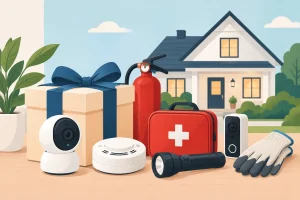
A wireless alarm can warn you, deter an intruder, and help you react faster. What it cannot do is replace situational awareness, better locks, outdoor visibility, or personal protection tools for the moments when danger moves beyond the front door. For many households, the next step after an alarm is adding window and door alarms in vulnerable spots, a compact camera in key interior areas, or self-defense items that support personal safety when traveling to and from home.
That kind of planning is not fear-driven. It is responsible. The goal is not to turn your life into a bunker. The goal is to reduce easy opportunities for threats and improve your ability to respond if something goes wrong.
The biggest mistake is buying based on hype alone. More devices and more app screens do not always equal better protection. A strong wireless alarm setup should match the property, the people using it, and the likely risks.
For a small apartment, a few well-placed entry alarms and a motion sensor may be enough. For a single-family home, you may need front and rear entry coverage, window protection on lower levels, and a camera strategy that helps verify alerts. If kids, older adults, or roommates are part of the household, ease of use becomes even more important.
It also helps to think about response time in real life. If an alert comes in while you are at work, what happens next? If a back window alarm goes off at 2 a.m., will the system wake you effectively? If you need to expand coverage later, can you do it without replacing the whole setup? These are the questions that separate a smart purchase from an impulsive one.
Wireless alarms are getting better because they are getting more practical. The best systems in 2026 will not just promise security. They will help ordinary people protect their homes with tools that are simpler to use, easier to afford, and harder to ignore when something is wrong. Start with the weak points in your space, build in layers, and choose protection you will actually use when it counts.




YOU’RE IN!
Use this code on every order
🎉
Here’s Your Code!
Use it now an on every future order.
YOUR DISCOUNT CODE
We also sent this code to your email for safekeeping.
EXCLUSIVE OFFER
Every order – not just your first!
Unlock Your Discount Instantly
Enter your email below and your personal 15% discount code appears right here – no need to check your inbox.
🔒 We respect your privacy. Unsubscribe anytime.