A hidden camera only helps if it sees what matters and stays unnoticed. That is the balance. If it is too exposed, someone can tamper with it. If it is too concealed, you may end up with a perfect hiding spot and useless footage.
That is why learning how to hide a camera is not really about making it invisible at all costs. It is about placing it where it blends in, captures the right angle, and keeps working when you need answers most.
How to hide a camera without ruining the view
The first rule is simple: hide the device, not the lens. Many people tuck a camera deep onto a shelf, behind decor, or inside a container and then realize the footage is blocked, dark, or pointed too high. A hidden camera should still have a clear line of sight to the area you want to monitor.
Start with the problem you are trying to solve. If you want to watch a front entry, you need a view of the door and the approach to it. If you are monitoring a living room, focus on the main traffic path, not the empty corner. When the purpose is clear, the hiding place becomes easier to choose.
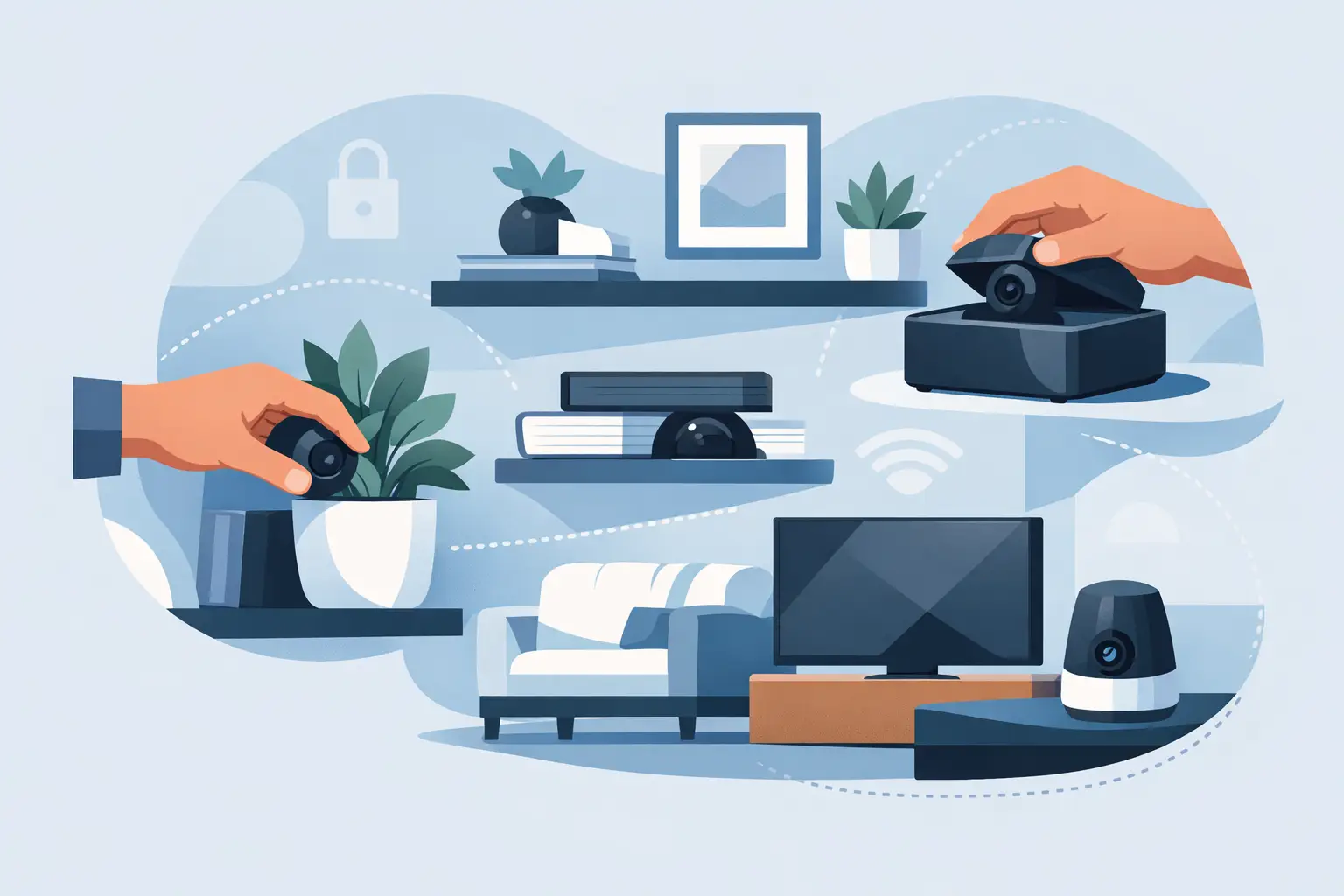
Good hidden placement usually works best in plain sight. That sounds backward, but it is true. A camera blended into everyday surroundings often attracts less attention than one awkwardly tucked away. Think bookshelves, media consoles, office desks, storage cubbies, or common household items that already belong in the room.
Best places to hide a camera at home
A smart hiding spot matches the room, the traffic pattern, and the camera type. There is no single best location for every home.
In living rooms and family rooms, shelves and entertainment centers are strong options because they naturally face the room. Decorative items can help break up the shape of the device, but do not crowd the lens. In home offices, cameras can blend near books, desk accessories, or storage units while still covering the door and work area.
Near entry points, placement matters even more. A hidden camera positioned near a front or back door should capture faces at a useful height, not just the top of a head. Corners can be effective because they widen the field of view, but a corner that sits too high may reduce detail.
Kitchens, mudrooms, and hallways can also work well because they often carry regular foot traffic. These spaces tend to have cabinets, counters, and utility shelving that make natural cover. The goal is not to create a spy-movie setup. The goal is to make the camera feel unremarkable.
If you are using a compact indoor model, test the viewing angle before final placement. Sit it where you plan to hide it and check the footage at different times of day. Sun glare, shadows, and nighttime lighting can change the result more than people expect.
Common objects people use to conceal cameras
If you are figuring out how to hide a camera discreetly, common household objects usually work better than dramatic concealment. The best option is often something that belongs in the space and does not get moved often.
Clocks, picture frames, tissue boxes, bookends, and small storage containers are popular because they are ordinary and easy to place. Potted plants can work too, but leaves can block the image or shift over time. Lamps and electronic accessories can also provide cover, especially in offices and bedrooms where those items are expected.
There is a trade-off here. The more enclosed the camera is, the more careful you need to be about heat, signal strength, audio quality, and lens obstruction. A camera hidden inside an object may look better, but it can perform worse if airflow is poor or if the material interferes with the device.
Purpose-built hidden cameras can solve some of these problems because they are designed to blend in from the start. If that is the route you take, focus on reliability over novelty. A disguised device is only valuable if the video is clear and the setup is simple enough to maintain.
Indoor vs outdoor hidden camera placement
Indoor placement gives you more freedom. You can use furniture, decor, and room layout to your advantage. You also have more control over lighting and weather, which means you can prioritize concealment without sacrificing durability.
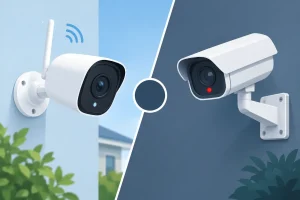
Outdoor placement is different. Weather resistance, heat, cold, moisture, and direct sunlight all matter. A camera hidden outside has to survive the environment as well as avoid detection. Under eaves, on covered porches, and near trim or fixtures can work, but only if the camera is rated for that use.
For outdoor hiding spots, natural cover is not always the best answer. Bushes and plants may seem like an easy solution, but they move in wind, grow over the lens, and can trigger false alerts. A stable structure is usually better than foliage.
You also need to think about reach. If someone can easily grab the camera, they can disable it. Higher placement helps, but too high can make facial identification harder. That is the kind of trade-off that matters more than perfect concealment.
Don’t forget power, storage, and signal
A hidden camera is still a piece of security equipment. It needs power, storage, and a stable connection if it uses Wi-Fi.
Wired cameras can be reliable, but cable routing becomes part of the hiding plan. A visible cord can give away the location immediately. Wireless cameras reduce cable clutter, but they need battery checks or charging, and that can be a problem if the device is placed somewhere hard to access.
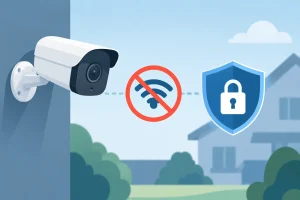
Signal strength matters more than many buyers realize. A camera hidden inside a cabinet, behind dense material, or far from the router may lose connection when you need it most. Before you finalize placement, test the feed in that exact spot. If the camera lags, drops offline, or records inconsistently, the hiding place is not worth it.
Storage matters too. If your camera records to a memory card, make sure it is accessible enough for maintenance. If it records to an app or network, confirm the setup is secure and reliable. Hidden placement should support long-term use, not create a setup that becomes frustrating after a week.
Legal and privacy basics you should respect
Knowing how to hide a camera also means knowing where not to place one. Home security should protect your household, not create legal trouble.
In general, cameras used on your own property for legitimate security purposes are common, but privacy laws still apply. Areas where people expect privacy, such as bathrooms or private guest spaces, are not appropriate places for hidden surveillance. Audio recording can also carry different legal rules depending on the state.
If you share space with tenants, roommates, guests, or employees, the situation can be more sensitive. When in doubt, learn your state and local rules before installing anything. Good security is built on smart judgment, not shortcuts.
Mistakes that make hidden cameras less effective
The most common mistake is prioritizing concealment over coverage. If the footage cannot clearly show faces, actions, or movement paths, the camera is not helping much.
Another mistake is ignoring lighting. A camera aimed toward a bright window may produce poor indoor detail, especially during the day. Night vision can help after dark, but placement still matters. Test at the exact hours you care about.
People also forget routine maintenance. A hidden device can be easy to forget, which means dead batteries, full storage, dusty lenses, or a disconnected app. Check your setup regularly. Security equipment should be dependable, not decorative.
Finally, avoid overcomplicating the plan. You do not need to turn your home into a maze of disguised devices. A few well-placed cameras usually outperform a larger number of poorly positioned ones.
Choosing the right setup for your space
The right hidden camera setup depends on your home, your concerns, and how hands-on you want to be. A small apartment may only need coverage at the main entry and living space. A larger home might need layered monitoring across doors, hallways, and common areas.
If you want a simple, affordable way to strengthen home awareness, focus on cameras that are easy to place, easy to check, and easy to maintain. That practical approach is often better than chasing the most advanced option on the market. For shoppers building a broader home security plan, Elite Warrior Defense offers hidden cameras alongside other personal and home protection tools designed for everyday peace of mind.
A hidden camera should give you confidence, not guesswork. Place it with purpose, test it like it matters, and let smart positioning do the heavy lifting.