

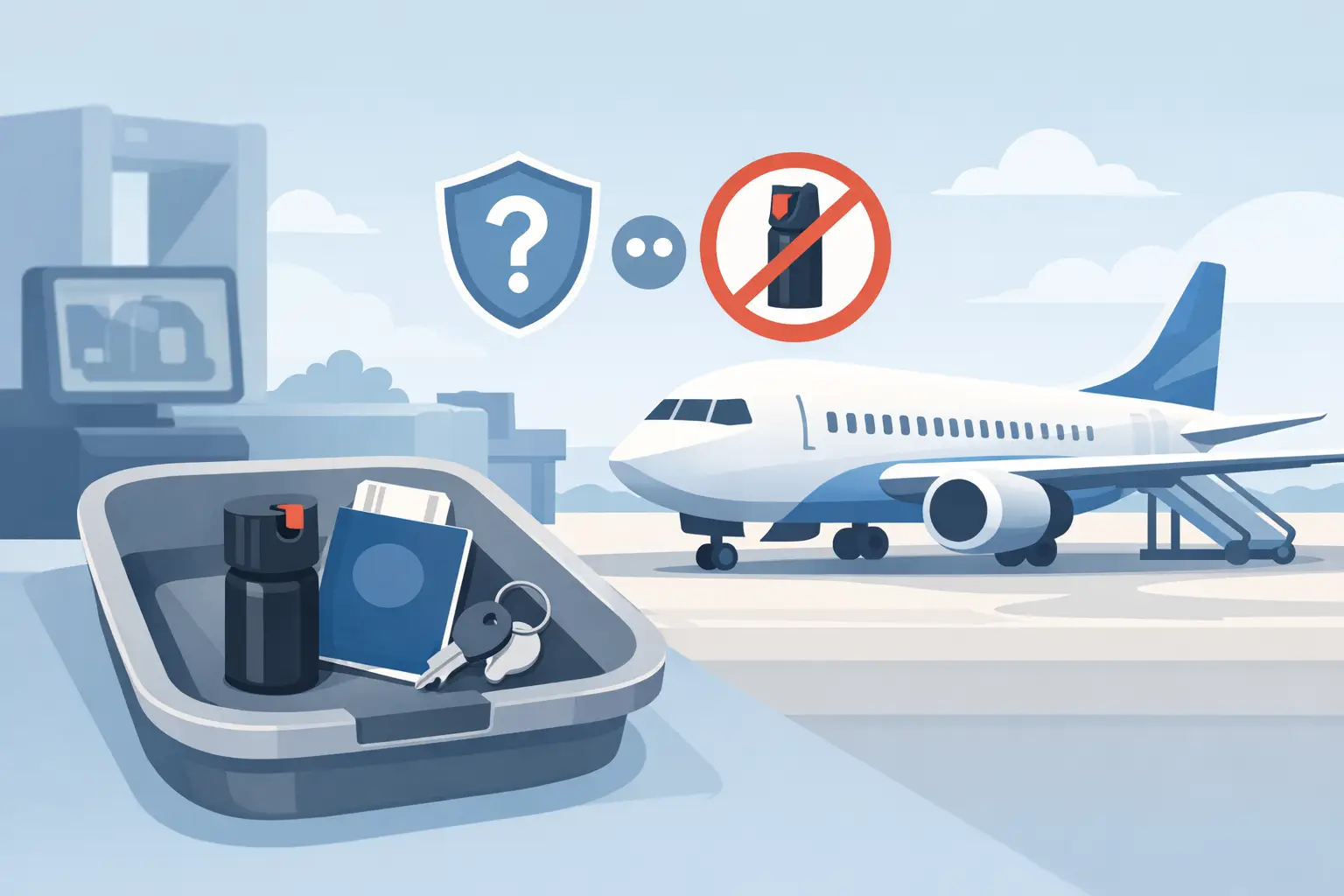
Airport security is not the place to guess. If you are packing for a trip and asking can you bring pepper spray on plane, the short answer is yes, but only in very limited circumstances and usually not where most travelers first reach for it.
Pepper spray is heavily restricted by the TSA. In most cases, you cannot bring it in your carry-on bag. A small self-defense spray may be allowed in checked baggage, but only if it meets specific size and safety rules. That means the right product, the right packaging, and the right bag all matter.
No, not in a carry-on. TSA rules prohibit pepper spray in carry-on bags, including purses, backpacks, laptop bags, and other items that go through the checkpoint with you. If you accidentally leave it on your keychain or tucked in a side pocket, security will likely stop the bag, remove the item, and you may have to surrender it.
That catches a lot of travelers off guard because pepper spray is small, common, and easy to forget. But from an airport security standpoint, it is still considered a self-defense weapon. Size does not change that. If it is accessible during the flight or in the secure area of the airport, it is generally not allowed.
This applies even if you legally carry pepper spray at home, even if it is for personal protection, and even if you have flown with it before by mistake. TSA screening is based on current federal transportation rules, not on your state carry habits.
Sometimes, yes. TSA generally allows one 4 fluid ounce container of self-defense spray in checked baggage, but there are conditions. The spray must have a safety mechanism to prevent accidental discharge, and it cannot contain more than 2 percent by mass of tear gas.
That sounds straightforward, but this is where travelers need to slow down and verify details. Not every spray marketed for protection qualifies. Some formulas, some canister sizes, and some products without proper safeguards may fall outside what is permitted.
A checked bag is not a free pass. If the product leaks, lacks a safety cap, or appears to violate hazardous material rules, it can still be flagged. Airlines can also impose stricter standards than TSA, which means a spray that seems acceptable under one rule may still be denied under another.
When you travel with pepper spray, three layers of rules can affect you. First is TSA policy. Second is your airline’s policy. Third is the law at your destination.
TSA decides what can pass through the checkpoint and what can ride in checked baggage. Your airline may have separate hazardous material restrictions, especially around pressurized containers. Then your destination matters because pepper spray laws vary by state and, in some cases, by city. Some areas restrict strength, container size, age requirements, or where it can be carried.
That means a traveler can run into trouble even after boarding is sorted out. If you land somewhere with different self-defense laws, carrying the same spray you use at home may not be as simple as you expect.
If you are considering putting pepper spray in checked baggage, the safest approach is to confirm four things before you leave home. The container should be 4 fluid ounces or less. It should be clearly designed as self-defense spray, not a larger animal repellent. It needs a working safety mechanism to prevent accidental discharge. And the formula must stay within TSA’s tear gas limitations.
This is one reason bear spray and larger defense sprays are a problem for air travel. They are often too large and may be treated differently due to strength, intended use, or hazardous material concerns. A compact personal defense spray is more likely to fit within the rule, but you still need to check the label and verify airline acceptance.
If the canister does not clearly list its contents or size, do not assume it will pass inspection. Ambiguity is not your friend at the airport.
The biggest mistake is forgetting pepper spray is in a bag at all. It often lives on a keychain, inside a center console pouch, clipped to a tote, or buried in a backpack pocket. Travelers remember knives and firearms. They forget the small canister they carry every day.
The second mistake is assuming all self-defense sprays are treated the same. They are not. Pepper spray, bear spray, mace-style products, and tear gas blends may be regulated differently depending on formula, size, and labeling.
The third mistake is relying on a general internet answer without checking the current rules. Travel regulations change, airline policies vary, and product lines differ. If your plan is to travel with any self-defense item, verify before you leave for the airport.
Usually, you will not be allowed to take it through security. In many cases, your options are limited. You may be told to return to the ticket counter and place it in checked baggage if time allows. You may need to give it to someone not traveling. Or you may have to surrender it.
That can turn a normal check-in into a stressful scramble, especially if you are already close to boarding. The smartest move is to do a full bag check the night before your flight. Open every compartment. Check keychains, cosmetic pouches, side pockets, and travel organizers.
A 30-second inspection at home is far better than losing your gear at the checkpoint.
For many people, pepper spray is part of a broader personal safety routine. Giving it up for a flight can feel uncomfortable, especially if you travel alone or spend time in unfamiliar places. That concern is valid. Personal protection matters.
But air travel comes with security rules that do not bend around convenience. The better strategy is to plan ahead rather than argue with the checkpoint. If you need pepper spray after you land, confirm whether your canister is legal at your destination and whether it qualifies for checked baggage. If not, consider buying compliant protection once you arrive.
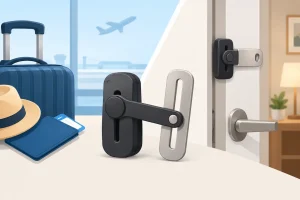
Some travelers also shift their safety planning while flying. Situational awareness, hotel door alarms, safety lights, and other non-prohibited security tools can still support peace of mind during the parts of the trip where pepper spray is not practical.
That is the real mindset behind effective self-protection. Confidence is not just about carrying one item. It is about being prepared, informed, and adaptable.
If your spray qualifies for checked baggage, pack it carefully. Make sure the safety cap or locking feature is engaged. Place it in a secure spot where it will not be crushed or activated by shifting luggage. Some travelers use a small protective pouch or place it inside a toiletry bag for added containment.
Do not toss it loosely into a suitcase full of hard objects. Pressure and impact are exactly what you want to avoid. A leaking canister can ruin clothing, trigger screening concerns, and create a bigger problem than the item is worth.
You should also keep the original label visible if possible. If airport staff or baggage screeners need to identify the item, clear labeling helps show size and type faster.
There are times when traveling with pepper spray is more trouble than protection. If you are taking only a carry-on, have a tight connection, are unsure about local laws, or own a spray that is oversized or poorly labeled, leaving it at home may be the smarter move.
This is especially true for international travel. Rules outside the US can be far stricter, and an item that is legal in one American state may be prohibited entirely in another country. Even domestically, local restrictions can complicate what seemed simple when you started packing.
A confident traveler does not force bad gear into the wrong situation. They choose what works, what is legal, and what will not create unnecessary risk before the trip even starts.
So, can you bring pepper spray on plane? Not in your carry-on. In checked baggage, maybe, if it is a small self-defense spray with a safety mechanism and it meets TSA limits. Even then, you still need to check your airline’s rules and the laws where you are going.
If personal safety is a priority for you, treat travel prep the same way you treat self-defense overall – be alert, know the rules, and do not leave your protection plan to chance. Elite Warrior Defense stands for practical security, and that starts with making smart decisions before you ever reach the gate.
The best protection on any trip is not just what you carry. It is knowing exactly when, where, and how you can carry it without putting your plans at risk.



YOU’RE IN!
Use this code on every order
🎉
Here’s Your Code!
Use it now an on every future order.
YOUR DISCOUNT CODE
We also sent this code to your email for safekeeping.
EXCLUSIVE OFFER
Every order – not just your first!
Unlock Your Discount Instantly
Enter your email below and your personal 15% discount code appears right here – no need to check your inbox.
🔒 We respect your privacy. Unsubscribe anytime.