
You usually realize the difference between a hidden camera and a nanny cam after something goes wrong. Maybe packages keep disappearing from the entryway. Maybe a caregiver is alone with your child, an aging parent, or a pet for hours each day. In that moment, the hidden camera vs nanny cam question stops being about product labels and starts being about what kind of protection you actually need.
A lot of people use the terms like they mean the same thing. They do overlap, but they are not always interchangeable. The right choice depends on who or what you are monitoring, how visible you want the device to be, and whether your main goal is deterrence, documentation, or peace of mind.
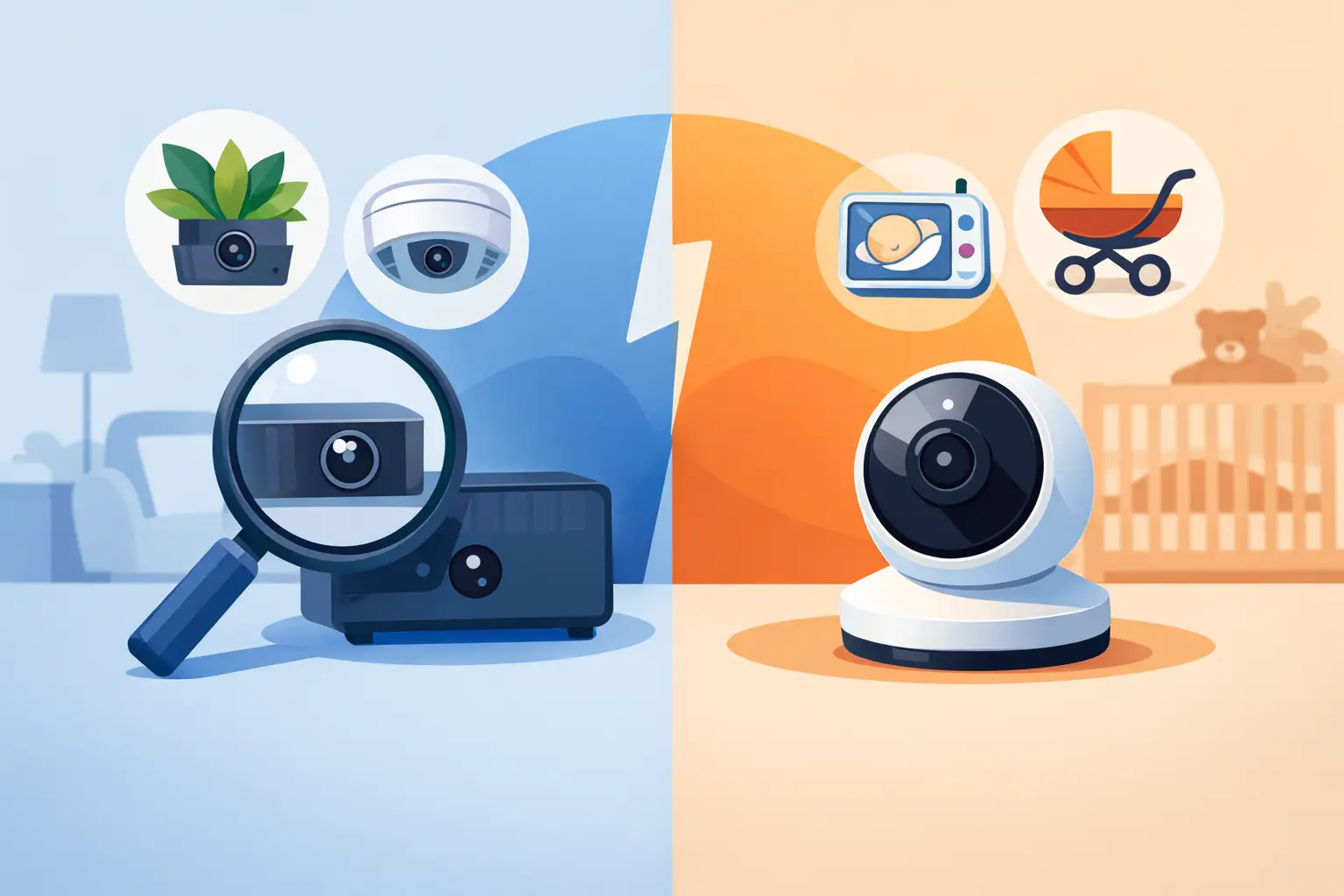
The simplest way to think about it is this: a hidden camera is defined by how it is installed or disguised, while a nanny cam is defined by why it is used.
A hidden camera is any camera placed to avoid attention. It may be built into an everyday object, tucked into a shelf, or designed to blend into a room. Its main advantage is discretion. If someone does not know they are being watched, they are more likely to behave naturally.
A nanny cam, on the other hand, is typically used to monitor a caregiver, child, elderly family member, or even pets inside the home. Some nanny cams are hidden. Others are placed in plain sight. That means a nanny cam can be a hidden camera, but not every hidden camera is a nanny cam.
That distinction matters because it changes how you shop. If your focus is caregiver accountability, audio quality, room coverage, and dependable recording may matter more than disguise. If your focus is catching theft or suspicious behavior, concealment may be the bigger priority.
A hidden camera is usually the stronger choice when you believe a visible camera may change behavior or push a problem somewhere else. If you suspect theft, boundary violations, or unauthorized entry, a concealed device can give you a clearer picture of what is really happening.
This approach is common in home offices, living rooms, entry areas, and other shared spaces where valuables or sensitive activity are involved. The key benefit is that people tend to act differently when they know a camera is present. A visible device may prevent misconduct, which is useful in some cases, but it can also limit your ability to confirm what has already been happening.
There is a trade-off. Hidden cameras are not ideal everywhere, and they should never be used carelessly. Placement matters. Recording quality matters. Battery life, storage, and viewing angle matter too. A camera that is well hidden but poorly positioned can miss the very event you need to capture.
A nanny cam is often the better solution when your goal is routine oversight rather than covert investigation. Parents use them to check on caregivers and children. Families use them to monitor elderly relatives. Pet owners use them to understand what is happening during the day when no one is home.
In these situations, the camera is part of a larger safety plan. You may want to verify that medications are given on time, naps happen as expected, or a caregiver is interacting appropriately and attentively. You may also just want peace of mind during long workdays.
A visible nanny cam can actually be an advantage. It sets expectations, reinforces accountability, and may discourage poor judgment before it starts. If everyone knows the common area is monitored, that alone can improve conduct. For many households, prevention is just as valuable as proof.
One of the biggest mistakes people make in the hidden camera vs nanny cam decision is focusing only on secrecy. Hidden is not automatically better.
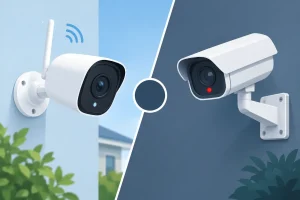
A visible camera can be a strong deterrent. It tells visitors, workers, caregivers, and anyone entering the home that security is taken seriously. That can stop problems before they begin. If your main concern is reducing risk, not catching someone in the act, a visible nanny cam or home camera may do the job better.
A hidden camera works differently. It helps reveal normal behavior when nobody feels watched. That can be crucial if you suspect someone is acting one way in front of you and another way when you leave. But because it is discreet, it also raises more legal and ethical considerations.
The smartest move is to match the camera style to the result you want. If you want to deter, go visible. If you need to document suspicious behavior that only happens in private, discreet monitoring may be more effective.
This is where people need to slow down and think carefully. Laws on hidden recording vary by state, especially when audio is involved. Video recording inside your own home may be legal in common areas, but that does not mean every placement is acceptable.
Bathrooms, changing areas, and private guest spaces are obvious no-go zones. Even in your own home, people have a reasonable expectation of privacy in certain places. Cross that line and you can create serious legal trouble for yourself.
Audio can be even more sensitive. Some states require only one-party consent for recorded conversations, while others require all parties to consent. If your device records sound, you need to know the law where you live before using it.
If you are hiring a caregiver, honesty is often the safest path. Many families choose to disclose that cameras are in use, especially in common areas. That can protect everyone involved. It supports accountability without creating unnecessary confusion or mistrust later.
Whether you buy a hidden camera or a nanny cam, the name on the box matters less than the performance. The best camera for your home is the one that records clearly, covers the right space, and works consistently when you need it.
Start with video quality. Grainy footage is frustrating and often useless when details matter. A wider viewing angle can help cover more of the room, but too wide can distort distance. Night vision is valuable if the area is dim or used after dark.
Then think about storage and power. Some cameras rely on onboard memory, while others support continuous recording or motion-activated capture. Battery-powered models are flexible, but they can die at the wrong time if you are not keeping up with charging. Plug-in options offer more stability if you have the outlet access.
Remote access is another major factor. Many buyers want to check footage or live video from a phone while away from home. That can be extremely useful, but it also means you should take security seriously. Weak passwords and poor setup can create digital vulnerabilities you do not want.
If you are trying to decide between the two, stop thinking in product categories and start with the actual problem.
If you need to monitor a babysitter or caregiver in a straightforward, preventive way, a nanny cam in a visible common-area location is often enough. It keeps expectations clear and strengthens accountability.
If you believe someone is stealing, mistreating property, or behaving differently when no one is around, a hidden camera may be more appropriate in a lawful location. In that case, discretion is not about being sneaky for its own sake. It is about getting an honest record of what is happening.
If your concern is a child, senior family member, or pet, think beyond security alone. Ease of use matters. Reliability matters. Quick access to footage matters. The best setup is one you will actually use consistently, not one with so many features that it becomes a headache.
For many homes, the answer is not either-or. A visible camera at the entry and a more discreet device in a shared interior space can serve different purposes without overcomplicating your security plan.
The hidden camera vs nanny cam comparison is useful, but it is not the final question. The better question is this: what exactly are you trying to protect, and what kind of proof or prevention do you need?
Security works best when it is intentional. A camera should fit your space, your concern, and your comfort level with visibility and privacy. It should also support the bigger goal, which is feeling confident that your home, loved ones, and property are not left vulnerable.
That is the mindset behind smart home protection. You do not need to overcomplicate it. You need dependable tools, clear reasoning, and the confidence to act before a concern becomes a crisis. If a camera gives you the awareness to spot a problem early or confirm that everything is safe, it is doing exactly what home security is supposed to do.


YOU’RE IN!
Use this code on every order
🎉
Here’s Your Code!
Use it now an on every future order.
YOUR DISCOUNT CODE
We also sent this code to your email for safekeeping.
EXCLUSIVE OFFER
Every order – not just your first!
Unlock Your Discount Instantly
Enter your email below and your personal 15% discount code appears right here – no need to check your inbox.
🔒 We respect your privacy. Unsubscribe anytime.