
A loud alarm still matters. So does a bright motion light. But the real story behind home security gadgets trends 2026 is that homeowners are getting more selective, not more impressed by flashy features. People want gear that warns them faster, works when the power or Wi-Fi gets shaky, and adds real protection without turning daily life into a tech project.
That shift is a good one. Security should make you feel more in control, not more dependent on an app that sends constant false alerts. In 2026, the best home setups are moving toward layered, practical protection – smart where it counts, simple where it should be, and affordable enough to build over time.
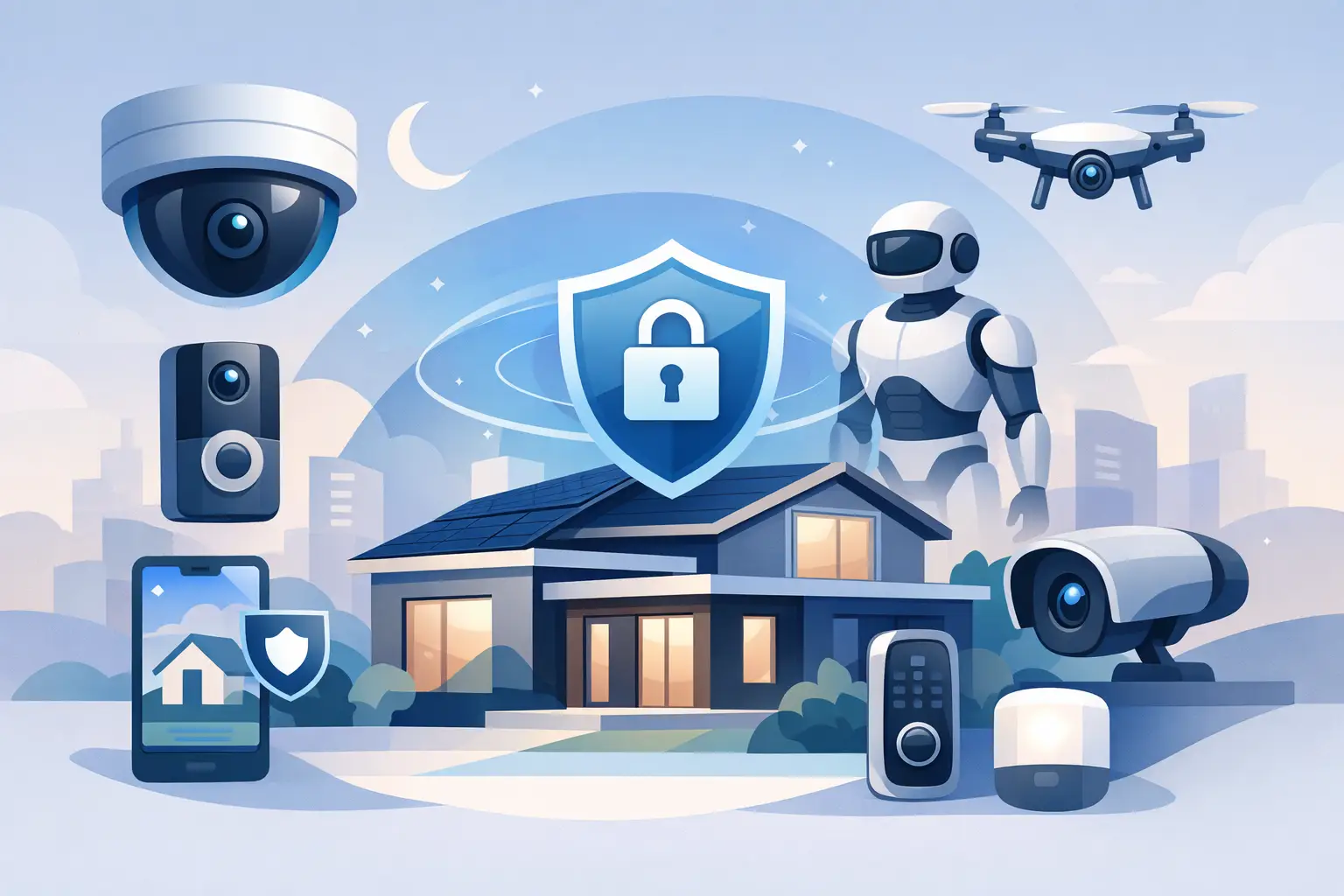
The biggest trend is not one miracle device. It is a move toward systems that combine deterrence, detection, and quick response. Homeowners are learning that a camera alone does not stop someone from testing a door. A door alarm alone does not show you what happened. And a hidden camera is valuable, but it works best when paired with visible signals that tell a potential intruder the home is not an easy target.
That is why more people are mixing visible and discreet tools. Dummy cameras, motion lights, window and door alarms, compact surveillance devices, and reinforced entry-point alerts are being used together. This layered approach is practical because each tool covers a different weakness.
Another clear shift is toward easier installation. Many homeowners and renters do not want to drill into walls, run wires, or pay for professional setup. They want peel-and-stick sensors, battery-powered alarms, and compact cameras they can place in minutes. If a product cannot be installed quickly and understood easily, many buyers move on.
One of the biggest frustrations with older security gadgets was alert fatigue. If your device goes off every time a cat crosses the porch or a branch moves in the wind, you eventually stop paying attention. In 2026, buyers are prioritizing gadgets that reduce false alarms and make notifications more useful.
That does not always mean highly advanced AI. For many households, it simply means better motion zones, cleaner sensitivity settings, and more thoughtful placement. A well-placed window alarm or entry sensor can be more useful than an expensive camera pointed at a busy sidewalk.
This is where buyers need to think clearly. More notifications do not equal more safety. Better notifications do. The goal is to know when something needs your attention right now, not to create a stream of minor updates you start ignoring after a week.
Hidden cameras continue to matter, but the trend is shifting from novelty to purpose. People are no longer buying discreet surveillance gadgets just because they look clever. They want them for specific reasons – checking vulnerable entryways, monitoring package drop zones, keeping an eye on interior spaces during travel, or documenting suspicious activity without making the camera obvious.
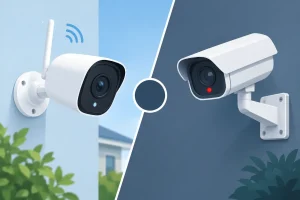
That said, hidden cameras are not a replacement for visible deterrents. In many cases, a visible device can make someone think twice before approaching your property. A hidden camera is often most valuable when deterrence fails and you need evidence.
This is one of the major trade-offs in home security gadgets trends 2026. Visible devices may prevent an incident. Concealed devices may help document one. The strongest setup usually uses both ideas in the right places.
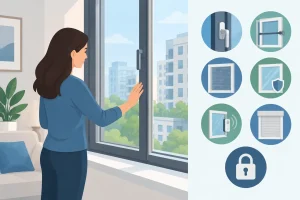
For all the excitement around cameras and apps, doors and windows are still where many home security plans win or fail. That is why compact door alarms, window alarms, glass-break alerts, and entry sensors are becoming a bigger part of everyday home protection.
This trend makes sense. Most intrusions are not high-tech. They are quick, opportunistic, and aimed at the easiest access point. A loud alarm on a window or door can disrupt that plan fast. Even low-cost devices can create enough noise and pressure to send someone in the opposite direction.
For budget-conscious households, this matters a lot. Not everyone can build a full smart-home system all at once. But almost anyone can start with key entry points, then add cameras, lighting, and other layers as needed. That makes security more accessible, and frankly, more realistic.
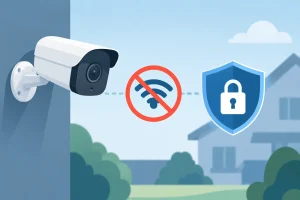
Convenience still sells, but backup features are gaining ground. Homeowners are asking better questions now. What happens if Wi-Fi drops? What happens during a power outage? Does the device still alert locally? Does it keep recording? Does the battery last long enough to matter?
These are smart questions because real security is measured by what happens when conditions are less than ideal. A sleek gadget that depends on perfect connectivity may look good on paper, but that is not always enough.
This is why battery-powered devices, backup power options, onboard storage, and standalone alarms are holding their value. People want tools that keep working even when the internet lags or the lights go out. In a true security moment, reliability beats convenience every time.
A strong home security plan is not just about catching someone on video. It is about making your property look like a harder target from the start. That is why deterrence-focused gadgets are having a strong moment in 2026.
Motion-activated lighting remains one of the simplest and smartest upgrades. A dark side yard or back entrance gives cover to anyone testing a lock or window. Good lighting removes that advantage immediately. Dummy cameras also continue to appeal to homeowners who want a visible warning without the higher cost of outfitting every angle with live surveillance.
There is an important nuance here. Dummy cameras should not be your only line of defense. They work best as part of a larger plan that includes at least some real monitoring or alarms. On their own, they may discourage casual trespassers, but they do not provide evidence or alerts if someone pushes past the bluff.
Not every customer owns a large property with multiple entry doors, a garage, and a long driveway. A major part of home security gadgets trends 2026 is the rise of compact protection for apartments, condos, townhomes, dorm-style spaces, and smaller single-family homes.
This is changing what people buy. Compact door wedges with alarms, window sensors, portable locks, mini cameras, and easy-mount lighting all fit the reality of people who cannot make permanent modifications. A renter still needs meaningful protection. So does someone living alone in a smaller space.
This trend also reinforces the value of portability. Security gear that can move with you is easier to justify. If you relocate, you do not want to leave your investment behind. Products that install fast, remove cleanly, and work in a new place without much hassle are becoming more appealing for exactly that reason.
Consumers are getting sharper about value. They are less interested in paying premium prices for features they may never use, and more interested in dependable tools that solve clear problems. That does not mean cheap products automatically win. It means practical products do.
A simple door alarm that activates reliably can be a smarter purchase than an overloaded gadget with confusing controls. A compact camera with usable footage can outperform a fancier option that is difficult to set up. Buyers want confidence, not clutter.
That is where brands like Elite Warrior Defense fit naturally into the conversation. The demand is not just for high-tech gear. It is for accessible protection that everyday people can actually afford, understand, and put to work right away.
If there is one lesson to take from these trends, it is this: no single gadget carries your whole security plan. Cameras matter. Alarms matter. Lighting matters. Visible deterrents matter. Discreet surveillance matters. Each one covers a different part of the risk.
For one household, the right setup may be a front-door camera, two window alarms, and a motion light. For another, it may include hidden cameras, dummy cameras, and extra alerts around a detached garage or back entrance. It depends on your layout, your neighborhood, your budget, and how often the home sits empty.
The strongest move is not chasing every new feature. It is choosing gadgets that make your home less predictable, less vulnerable, and less appealing to anyone looking for an easy opportunity. Start with the weak spots you already know about. Then build from there with tools you trust, will actually use, and can count on when it matters most.




YOU’RE IN!
Use this code on every order
🎉
Here’s Your Code!
Use it now an on every future order.
YOUR DISCOUNT CODE
We also sent this code to your email for safekeeping.
EXCLUSIVE OFFER
Every order – not just your first!
Unlock Your Discount Instantly
Enter your email below and your personal 15% discount code appears right here – no need to check your inbox.
🔒 We respect your privacy. Unsubscribe anytime.