Understanding Your Home Security Needs
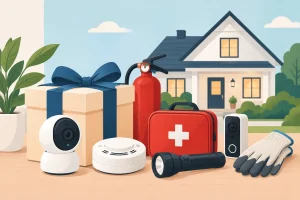
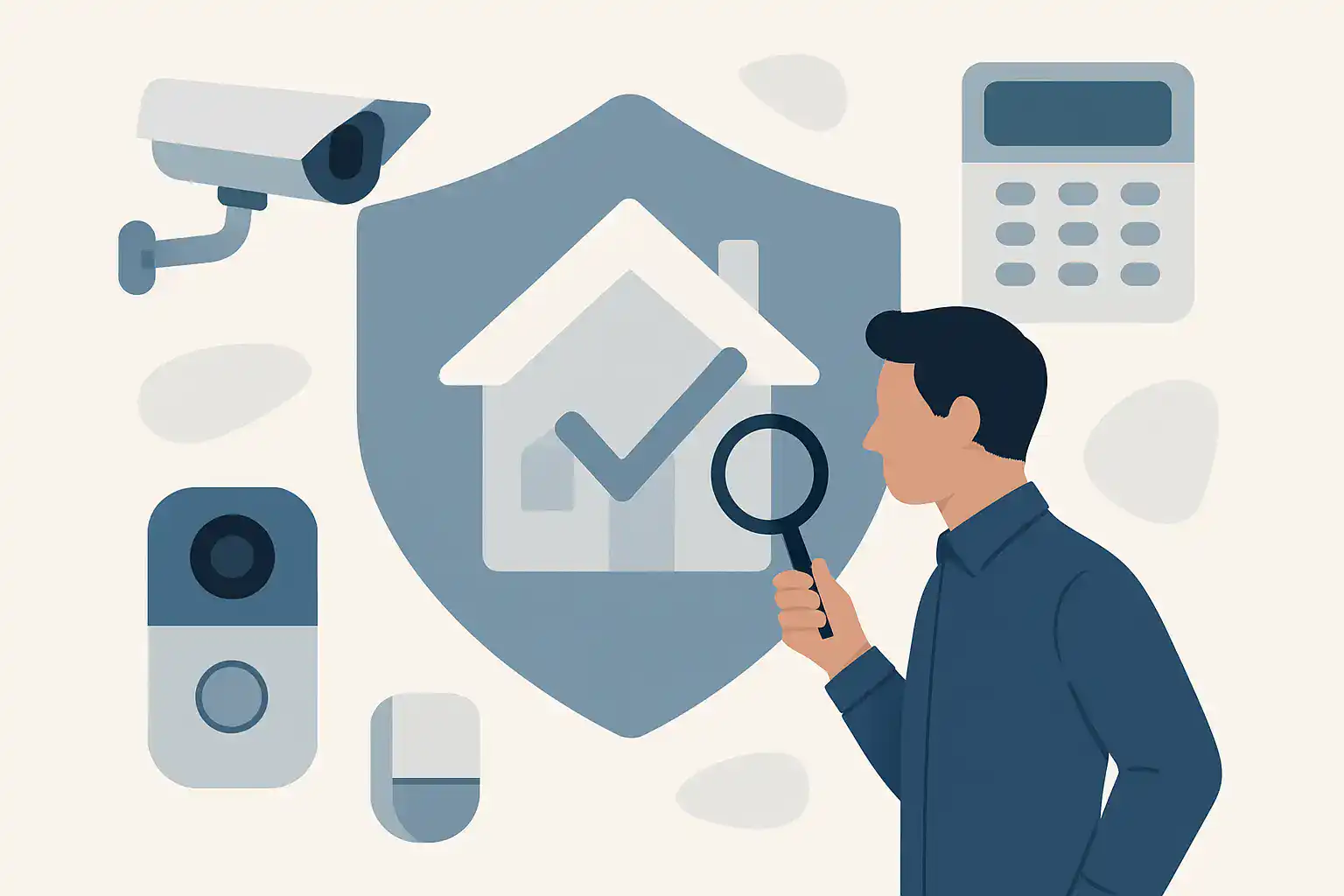
When the safety of your home and loved ones is at stake, understanding what kind of protection you require becomes paramount. Yet, the world of home security systems can seem as complex as it is essential. To navigate this, the first step is to assess the specific security needs of your home. Every home is different, and so too should be its security solution.
#### Consider Your Home Layout
The architecture and layout of your home significantly influence the type of security system you should consider. Do you live in a single-story property or a multi-level house? Is there easy access to entry points such as doors and windows that need securing? Even elements like large gardens or standalone garages play a role in defining the security scope.
#### Evaluate Potential Threats
Different neighborhoods come with different security challenges. It’s essential to understand the particular threats in your area, such as burglary, vandalism, or package theft. Local crime statistics can offer insights into the prevalent issues within your community.
Choosing the Right Type of Security System
The next critical decision involves choosing the type of home security system that best meets your needs. This includes everything from basic alarm systems to comprehensive smart home security solutions.
#### Basic vs. Advanced Systems
- Basic Alarm Systems: These typically consist of entryway sensors and a control panel, providing alerts when entry points are breached.
- Advanced Systems: Incorporate surveillance cameras, motion detectors, environmental sensors (like smoke and carbon monoxide detectors), and smart home integration, offering a broader range of protection.
#### Wired vs. Wireless Systems
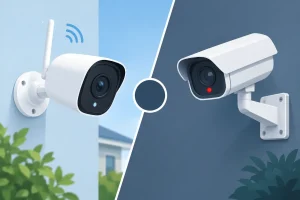
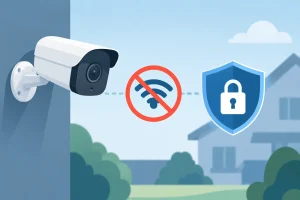
- Wired Systems: Depend on physical wires to connect the components. While typically more reliable because they don’t rely on Wi-Fi, they can be labor-intensive to install and less flexible.
- Wireless Systems: Easier to install and more adaptable to changes in your home layout. These systems, however, can be susceptible to interference and require robust internet connectivity.
Features to Look Out For
Understanding the features available in a security system helps you make informed decisions that enhance your safety and convenience.
#### Surveillance Cameras
Surveillance cameras serve as the eyes of your security system. They act as a deterrent against intruders while providing evidence in case of any incidents. Key features to consider include:
- Resolution: Higher resolution cameras provide clearer video footage.
- Field of View: Determine how much area the camera can cover.
- Night Vision: Essential for monitoring your home in low-light conditions.
- Cloud Storage: Ensures footage is safely stored and easily accessible.
#### Smart Home Integration
Modern homes increasingly rely on smart technology for enhanced convenience and security. Look for systems that integrate seamlessly with smart home devices allowing you to control lights, locks, and other devices remotely.
#### Monitoring Services
Monitoring services are crucial for a proactive security approach. With a monitored system, alerts are sent to a monitoring center, enabling swift action such as contacting emergency services when necessary.
#### Environmental Sensors
Consider incorporating environmental sensors that detect smoke, fire, carbon monoxide, or flooding. This broadens your security beyond intrusions to cover events that might pose a danger to your family’s well-being.
Budget Considerations
Home security systems are available at various price points, generally dictated by their complexity and features.
#### Initial Costs vs. Ongoing Costs
Factor in upfront costs for equipment and installation alongside potential monthly fees for monitoring services. Some systems might appear affordable initially, but when factoring in monthly service fees, they could become expensive over time.
#### DIY vs. Professional Installation
- DIY Installation: Ideal for tech-savvy individuals looking to save on installation costs. Many modern systems are designed for simple setup with easy-to-use guides.
- Professional Installation: Although more costly, professionals ensure the system is correctly installed and optimized for your specific home layout.
Tips for Making an Informed Purchase
#### Research and Reviews
Dive into consumer reviews and testimonials. They provide real-world insights into the system’s reliability and functionality. Websites that compare different security systems can also be quite illuminating.
#### Trial Periods and Warranties
Trail periods allow you to test the effectiveness of the system without full commitment. Ensure you are comfortable with the product and service quality before the trial period ends. Additionally, look for warranties that cover both the equipment and installation.
#### Evaluate Customer Support
Strong customer support can significantly enhance your experience with a security system. Opt for providers that offer around-the-clock support and quick, effective solutions to any issues that may arise.
Implementing and Maintaining Your System
Post-purchase, the primary task is ensuring your home security system functions optimally and continuously.
#### Regular Maintenance
Schedule regular maintenance checks to ensure everything from sensors to batteries is functioning correctly. Periodic updates may also be necessary for systems with software components.
#### Staying informed on New Threats
Security threats evolve, and so should your security measures. Stay informed about the latest trends and developments in home security technology and assess whether your current system remains up to par.
Considering Brand Options
If you’ve already decided on the type of system you need, the next step is choosing a reliable brand. Companies like Elite Warrior Defense offer a diverse range of products that can match your security needs, particularly if you’re on the lookout for budget-friendly options without compromising on quality.
Final Thoughts
Investing in a home security system is essentially investing in peace of mind. It is about safeguarding your loved ones and possessions while enhancing everyday confidence. Choosing the right system starts with understanding both your specific needs and the various options available. As your security requirements evolve, remain open to adapting and upgrading, ensuring your home remains the haven it’s meant to be.
Your home is worth protecting, and you deserve a security system that reflects this value—one that empowers you with the confidence and peace of mind intrinsic to the very notion of “home.”