A dark parking lot, an unexpected knock at the door, or a loose dog on a walk can turn an ordinary moment into a safety decision. The right non lethal defense options are not about living scared. They are about giving yourself time, distance, attention, and a clear path to safety when something does not feel right.
The best choice is rarely the most intimidating tool. It is the one you can carry legally, access quickly, understand under stress, and use responsibly. For many people, that means building layers of protection rather than relying on one item alone.
What “Non Lethal” Really Means
“Non lethal” is a common term, but no defensive tool can promise a harmless outcome in every situation. A more accurate term is often “less-lethal.” Pepper spray, stun devices, defensive batons, and even physical restraint can cause serious injury when misused or when a person has an unexpected medical condition.
That does not mean these tools have no place in a personal safety plan. It means they require judgment. Their purpose is to disrupt an immediate threat long enough for you to create distance, get to a safer location, call 911, and seek help.
A responsible approach starts with prevention. Stay aware of your surroundings, trust your instincts, avoid isolated routes when possible, and keep your phone accessible. A defense tool supports those habits. It does not replace them.
Non Lethal Defense Options for Personal Safety
Personal defense products work differently, so the right fit depends on where you spend time, how you commute, your comfort level, and local laws. Choose equipment that feels manageable in your hand and does not require complicated steps when your heart rate is up.
Pepper Spray and Pepper Gel
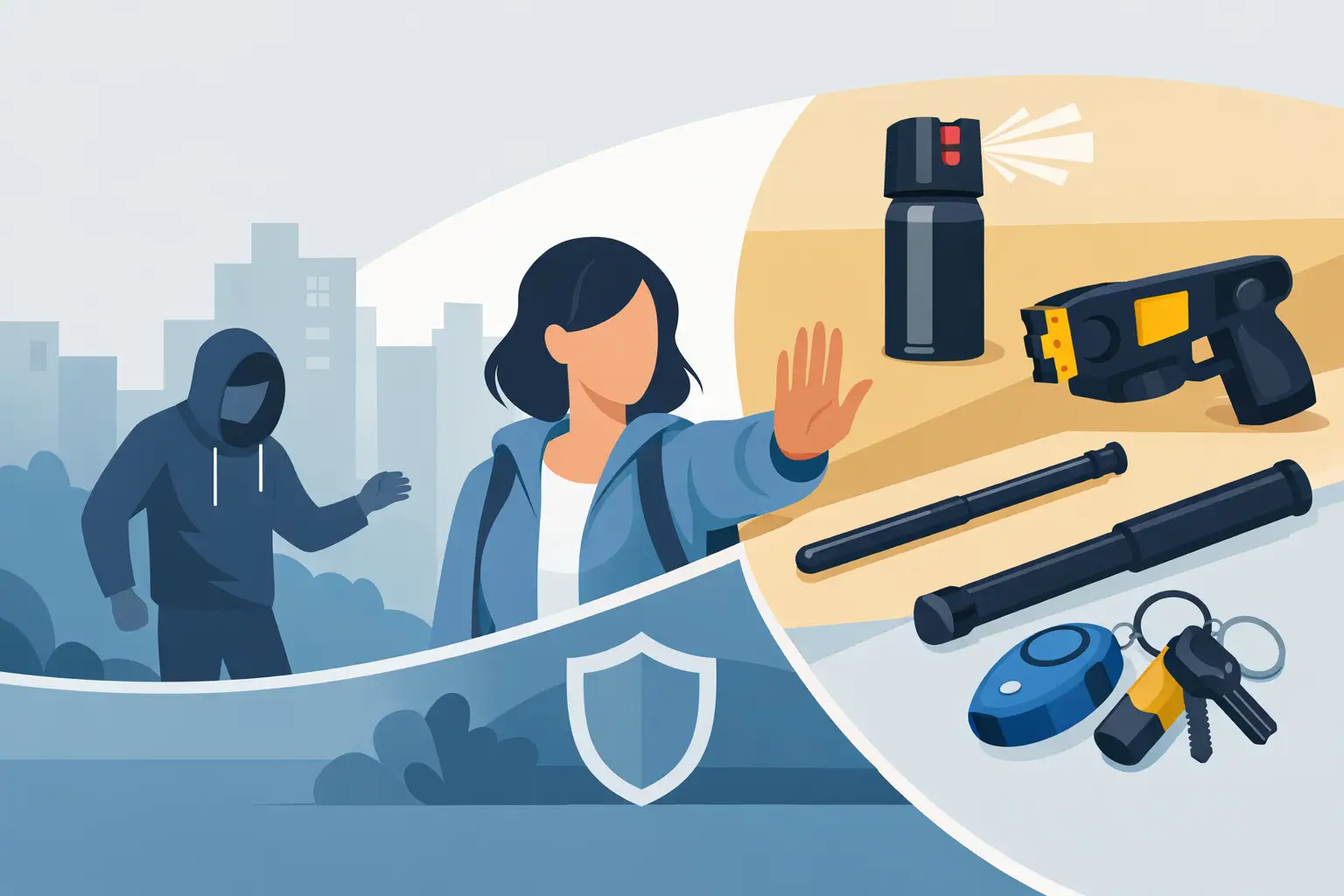
Pepper spray is one of the most recognized personal protection tools because it is compact, affordable, and designed to create an opportunity to escape. It can be useful for walking to a car, commuting, traveling on foot, or responding to a threatening animal.
Pepper gel is often preferred in windy conditions or crowded areas because it projects in a more focused stream than a traditional spray. That can reduce blowback risk, though no product removes it completely. Spray products also have limited capacity, expiration dates, and legal restrictions that vary by state and city.
Keep any spray or gel in a consistent, easy-to-reach location, not buried at the bottom of a purse. Read the instructions before carrying it. Understand its safety mechanism, range, and storage requirements so it is not the first time you handle it during a stressful encounter.
Stun Guns and Stun Batons
Stun guns are designed for close-range defensive use. Their visible electrical arc and sound can sometimes serve as a deterrent, but the device should never be viewed as a guaranteed solution. It requires proximity to a threat, which may not be practical or safe in every situation.
Stun batons provide extra reach and can be a more suitable option for certain home or property-security situations. That added length may help you maintain distance, but it also makes storage and carrying less convenient. As with all electrical defense tools, check local and state rules before purchasing or carrying one. Some locations limit possession, carry, or use.
The key question is not, “Which device looks strongest?” Ask, “Can I safely access and handle this device if I need to leave quickly?”
Personal Safety Alarms and Safety Lights
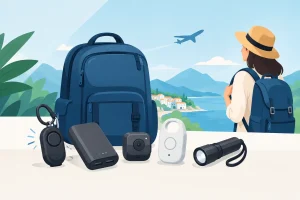
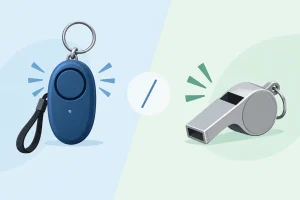
A loud personal alarm does not require close contact, aim, or physical strength. It can draw attention, interrupt someone’s focus, and signal that you need help. For students, runners, older adults, and anyone who prefers a simple option, an alarm can be an effective first layer of defense.
A bright safety light is equally practical. It helps you see entrances, pathways, stairwells, and the inside of a vehicle at night. A light can also make it harder for someone to approach unnoticed and can attract attention in an emergency. These tools are especially useful because they serve a purpose every day, not only during a threat.
Tactical Pens and Self-Defense Keychains
Tactical pens and certain self-defense keychains offer a discreet carry option, but they are not a shortcut around training or situational awareness. Their effectiveness depends heavily on your ability to use them under pressure and within the law. Some keychain designs may be restricted in certain jurisdictions, even if they are sold online.
If you choose a compact defensive tool, practice safely handling it at home without directing it toward another person. Know where it sits in your bag or on your keys. A product that is difficult to retrieve is unlikely to help when seconds matter.
Home Security Is a Layered Defense Plan
Personal safety begins before you open the door. Many home security situations are best handled by making your property less appealing as a target and giving yourself early warning when something is wrong.
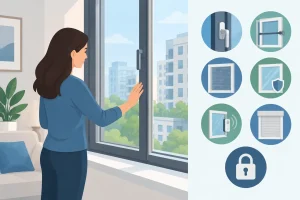
Door and window alarms are a straightforward starting point. They can alert you when an entry point is opened and may discourage an intruder who expected privacy. Motion-activated safety lights add visibility around driveways, side yards, garages, and entryways, where shadows can conceal movement.
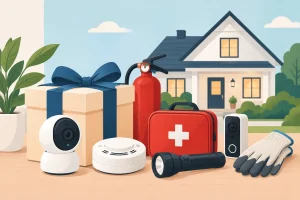
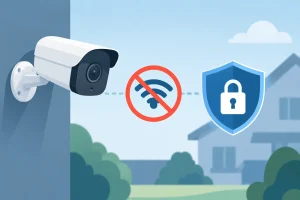
Hidden cameras and visible cameras can help you monitor activity around your home, while dummy cameras may add a visible deterrent at a lower cost. A camera should support, not replace, physical security. Use sturdy locks, secure sliding doors and accessible windows, and avoid leaving spare keys in obvious places.
Diversion safes can protect small valuables from casual theft, but they should not be your only storage plan for irreplaceable documents, medications, or high-value items. Think in layers: deter, detect, delay, and document.
How to Choose the Right Option
There is no single best product for every person. Start with the situations you actually face. Someone who walks a dog before sunrise may prioritize a safety light, personal alarm, and animal repellent. A commuter may want a compact, accessible spray or gel and an alarm. A homeowner may focus first on door alarms, cameras, lighting, and a plan for responding to suspicious activity.
Before buying, evaluate four practical factors:
- Legality: State and local restrictions can affect what you may buy, carry, or use. Review the rules where you live and where you travel.
- Accessibility: A tool stored in a glove box, closet, or deep bag may be unavailable when needed. Choose safe, consistent storage that you can reach quickly.
- Ease of use: Complex controls can fail under stress. Favor products with clear instructions and a design you can operate confidently.
- Maintenance: Check batteries, expiration dates, charging needs, and condition regularly. A safety device is only useful when it works.
Your lifestyle should guide the decision. A larger device may make sense at home but not in a pocket. A compact item may be convenient for daily carry but offer fewer features. Those trade-offs are normal. Honest planning is more valuable than buying a product based on appearances alone.
Training, Boundaries, and Smart Response
Tools matter, but your response matters just as much. Build the habit of scanning your surroundings before leaving a building, getting into a vehicle, or answering the door. Keep distance from aggressive people or animals whenever possible. If you sense danger, move toward populated, well-lit areas and contact emergency services.
If a confrontation happens, the goal is not to win an argument or hold someone in place. The goal is to get away safely. Use your voice when appropriate, create distance, draw attention, and leave as soon as there is an opening. Afterward, call 911, report what happened, and seek medical attention if needed.
Training can build confidence without encouraging recklessness. A reputable self-defense class can help you understand positioning, verbal boundaries, escape strategies, and the legal responsibilities that come with using force. Practice should focus on avoidance and safe exit, not escalation.
Elite Warrior Defense believes practical protection should be accessible, understandable, and ready for real life. Whether you choose a simple alarm, pepper gel, a safety light, or a layered home setup, take time to learn how it fits your routine.
Safety is not a single purchase made in a moment of worry. It is the steady confidence that comes from paying attention, preparing responsibly, and knowing you have a plan when you need one.