A preventable fall in the bathroom or an unlocked back door can change a family’s routine in seconds. The right senior home safety products help older adults stay in control of their homes without making the space feel clinical, complicated, or restrictive. The goal is not to create fear. It is to remove avoidable risks, strengthen security, and make everyday routines easier to manage with confidence.
Start With the Risks That Matter Most
Every home has a different layout, routine, and level of risk. A person who moves well but lives alone may need stronger entry security and an easy way to call for help. Someone with reduced balance may benefit most from bathroom support and better lighting. Start by walking through the home at the times it is actually used: early morning, after dark, while carrying groceries, and during a nighttime trip to the bathroom.
Look for loose rugs, cluttered hallways, dim stairs, low furniture, hard-to-reach locks, and doors that are difficult to open. Also consider habits that can create exposure. Are packages left outside for hours? Does a homeowner answer the door before checking who is there? Is there a spare key hidden in an obvious place? These details point to the products and changes that will make the biggest difference.
A safety plan works best when it supports independence rather than replacing it. Choose equipment that is simple enough to use every day, not something that will sit in a drawer because it feels confusing or inconvenient.
Secure Doors and Windows Without Adding Hassle
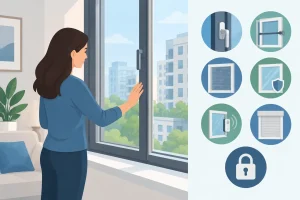
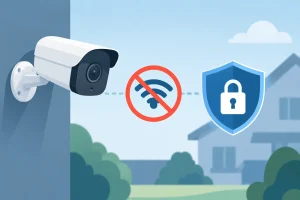
The front door, back door, garage entry, and first-floor windows deserve immediate attention. A solid deadbolt, reinforced strike plate, and functioning door viewer or camera can make a home harder to target. For many seniors, a camera or doorbell viewer is especially useful because it allows them to see who is outside before opening the door.
Door and window alarms add another practical layer. These compact devices can alert a homeowner when an entry point opens, helping identify an unexpected visitor or a door left unsecured. They are also useful for family members concerned about a loved one with memory loss who may wander outside.
Motion-activated safety lights are another high-value upgrade. Install them near walkways, driveways, side gates, and rear entrances. Good lighting reduces trip hazards while making it harder for someone to approach unseen. Brightness matters, but placement matters more. A light aimed directly into someone’s eyes can make a path less safe, so direct it toward the ground and walking area.
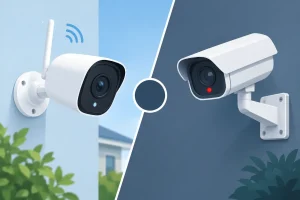
Visible security tools can deter opportunistic crime, but they should not create a false sense of protection. A dummy camera may discourage some unwanted activity, while a working camera provides actual recording and monitoring capability. The better choice depends on whether deterrence alone is enough or documented evidence is needed.
Prevent Falls Where They Happen Most
Falls are one of the most serious home safety threats for older adults, and they often occur in familiar spaces. A rushed trip across a dark bedroom, a slippery bathroom floor, or a cluttered stairway is all it takes. Fall prevention does not require rebuilding a home. It requires removing small obstacles that add up to a major hazard.
Start with floors and walkways. Secure rugs with non-slip backing or remove them entirely if the edges curl. Keep electrical cords against walls instead of across paths. Make sure commonly used items are stored between waist and shoulder height, limiting the need for reaching, bending, or climbing. A sturdy step stool with a handrail may be appropriate for some people, but moving frequently used items lower is usually the safer solution.
Stairs need clear treads, secure handrails, and consistent lighting from top to bottom. If vision is limited, contrasting tape on the first and last step can make edges easier to see. Avoid leaving shoes, mail, laundry, or pet items on stairways, even temporarily.
Make the Bathroom Easier to Use Safely
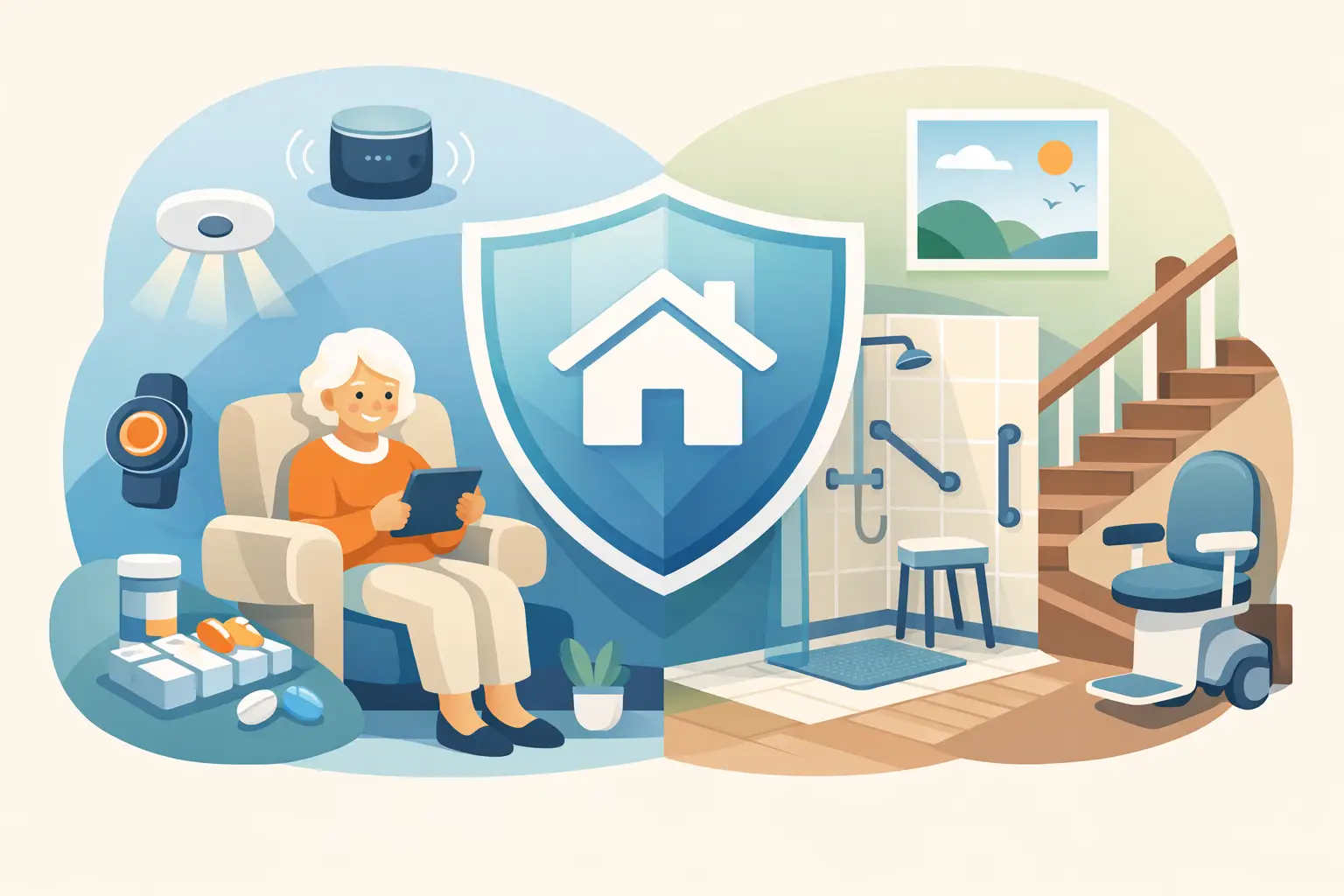
Bathrooms combine hard surfaces, water, and limited space, making them a priority. Install grab bars near the toilet and inside the shower or tub area. These must be mounted securely into wall studs or with hardware designed for the wall type. Towel bars are not designed to bear body weight and should never be used as support.
A non-slip bath mat inside the shower and a secure mat outside it can improve traction. A shower chair and handheld showerhead can reduce the need to stand on wet surfaces, especially for anyone who tires easily or has balance concerns. Keep soap, shampoo, and towels within reach so there is no need to twist or stretch while wet.
Nightlights in the bathroom and along the path from the bedroom are a simple but powerful addition. Choose lights that provide enough illumination to see hazards without being so bright that they disrupt sleep.
Build a Safer Bedroom and Daily Routine
The bedroom should make nighttime movement predictable. Place a lamp, flashlight, phone, and emergency alert device within arm’s reach of the bed. A motion-sensor nightlight can illuminate the floor automatically when someone stands up. Make sure the route to the bathroom is clear, especially if a walker, cane, or wheelchair is used.
Bed height is often overlooked. If a bed is too low, standing can be difficult. If it is too high, getting down safely can be a challenge. Feet should be able to rest on the floor when sitting at the edge of the mattress. Bed rails can provide support for some users, but they are not right for everyone. In certain situations, rails can create entrapment or climbing risks, particularly for people with significant cognitive impairment. Discuss mobility equipment with a healthcare professional when there is any doubt.
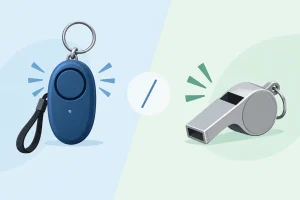
Keep a charged phone accessible, but do not rely on it as the only emergency option. A phone can be misplaced, muted, or out of reach after a fall. A wearable alert device, personal alarm, or strategically placed emergency call button provides backup when seconds matter.
How to Choose Senior Home Safety Products That Get Used
The best product is one a person can operate confidently under stress. Before buying, consider the homeowner’s hand strength, vision, hearing, mobility, and comfort with technology. Tiny buttons, complicated apps, frequent charging, and confusing alerts can turn a useful product into an ignored one.
Prioritize products that are straightforward to install and maintain. A battery-powered door alarm may be an excellent choice for a renter or someone who needs a fast solution. A hardwired system can offer more permanence but may require professional installation. Likewise, a simple high-decibel personal alarm can be easier to use than a device with multiple modes and settings.
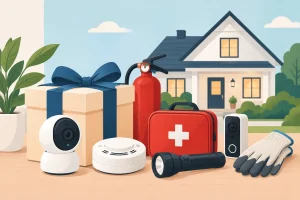
For security products, think in layers. Strong locks help delay entry. Alarms create attention. Cameras can provide awareness and evidence. Outdoor lighting improves visibility. No single item can guarantee safety, but several practical measures working together create a stronger home environment.
It is also wise to test every device after installation. Confirm that alarms can be heard from the bedroom, batteries are fresh, lights activate at the right distance, and emergency contacts know what to do if they receive an alert. Put battery checks on a calendar so protection does not fade quietly over time.
A safer home does not have to look or feel like a fortress. It should feel familiar, comfortable, and ready for real life. Start with the hazard or security gap that causes the most concern, make one solid improvement, and keep building from there. Small protective choices made now can preserve confidence, privacy, and independence for years to come.