
Your apartment may be temporary, but your safety is not. Home security for renters is about protecting the place where you sleep, store your belongings, and expect to feel at ease – without risking your deposit or violating your lease. The best setup is not always the most expensive one. It is the one that addresses your real risks, works with your living situation, and is simple enough to use every day.
Renters have an advantage that is often overlooked: you do not need to rebuild a property to make it harder to enter, easier to monitor, and less appealing to a criminal. A few smart, portable layers can change the security of your home quickly.
Most home security plans begin at the front door for a reason. Your door is the primary boundary between you and anyone outside, and a weak lock, loose strike plate, or poor lighting can create an easy opportunity.
First, inspect your door from both sides. Does it close fully without forcing it? Is the deadbolt working smoothly? Is there a peephole, and can you clearly see through it? If anything feels loose, damaged, or unreliable, document it and notify your landlord or property manager in writing. Repairs to the existing lock, frame, or door hardware are generally the owner’s responsibility, especially when normal wear or a safety issue is involved.
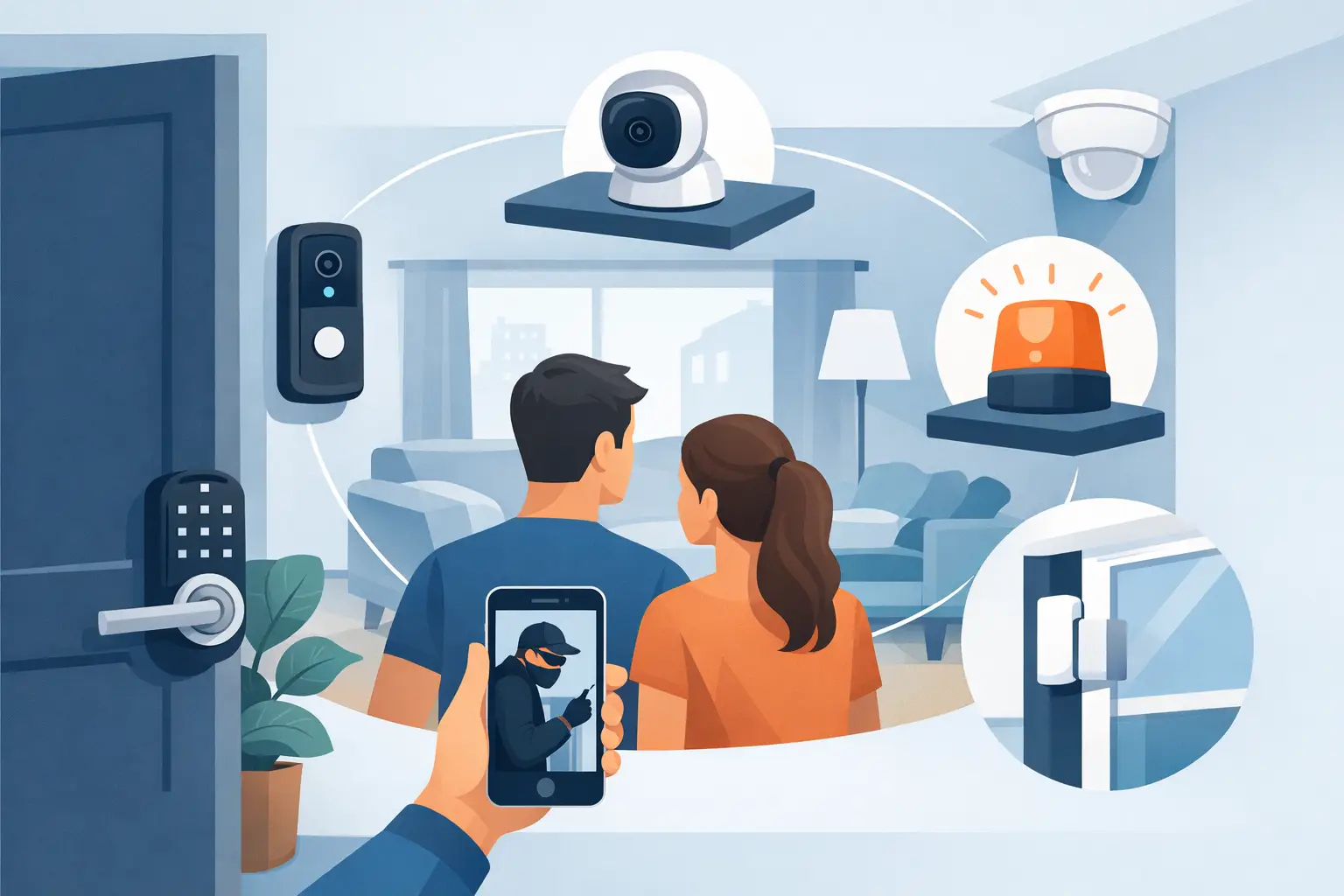
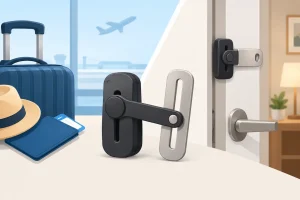
You can add renter-friendly protection without drilling into the door. A portable door lock can provide added resistance when you are inside. A door security bar can brace many inward-swinging doors, adding a visible and physical obstacle. Door alarms are another practical layer: they can sound when a door opens, alerting you and potentially drawing attention before someone gets farther inside.
These tools are not replacements for a functioning deadbolt. They are backup. Layers matter because a person attempting unauthorized entry is looking for speed, quiet, and low resistance. Every extra barrier can make your home a less attractive target.
It is understandable to want full control over who has a key to your home. However, lease terms and state or local rules may limit whether you can replace locks or require you to provide management with a key. Check your lease before making changes. If you have a safety concern, ask for a lock rekey, a lock replacement, or written permission to install approved hardware.
Getting approval in writing protects you from disputes later. It also keeps emergency access clear for legitimate situations, such as a fire, flood, or medical emergency.
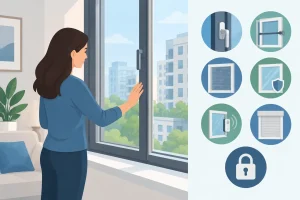
Windows can be overlooked, particularly in ground-floor units, basement apartments, and homes with accessible patios or fire escapes. Even upper-floor windows deserve attention if they connect to balconies, shared roofs, or exterior walkways.
Begin with the basics: keep windows locked whenever they are closed, and make sure the lock actually holds. If a window slides open easily despite being locked, report the issue. For many sliding windows, a removable security bar or properly sized dowel placed in the track can help prevent the window from being forced open. Use a solution that still allows the window to function as an emergency exit when needed.
Window alarms are an affordable option for renters because many attach with adhesive and can be removed later. Depending on the type, they may sound when the window opens or when vibration is detected. They are especially useful on accessible windows that are not part of your usual exit route.
Do not block every possible escape route. Bedrooms should have a usable emergency exit, and everyone in the home should know how to get out if there is a fire. Security should never trap you inside.
A criminal often makes decisions based on what can be seen quickly. A well-lit entry, a door alarm, a visible camera, or even a clearly placed security notice may convince someone to move on. These measures work best as part of a larger plan, not as the only line of defense.
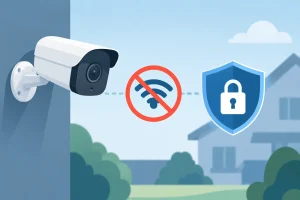
Battery-powered cameras and indoor cameras can be a strong fit for renters because they do not require permanent wiring. Place them where they provide useful coverage, such as facing the main entry from inside or monitoring a living area where valuables are kept. Before setting up a camera, consider privacy. Do not point it into a neighbor’s home, private shared space, or areas where people reasonably expect privacy.
If you live in a building with hallways, shared entrances, or common areas, review community rules before installing any device outside your door. Some properties allow doorbell cameras, while others restrict exterior devices or require approval. A simple conversation with management can prevent a lease issue later.
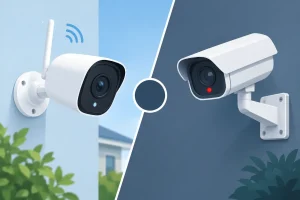
Dummy cameras can add a visible deterrent at a low cost, but they cannot alert you, preserve evidence, or record suspicious activity. If a camera is your only security measure, choose a functioning one. If you use a dummy camera, pair it with real locks, alarms, lighting, and good habits.
A secure home is not only about stopping forced entry. It is also about reducing the opportunities that make theft easy. Packages left in a lobby, at a doorstep, or in front of a house can disappear in minutes. When possible, use delivery instructions that direct packages to a secure location, schedule delivery for a time when someone is home, or ask a trusted neighbor to collect an item.
Inside the home, avoid leaving cash, small electronics, personal documents, or spare keys in obvious locations. A diversion safe can help keep small valuables out of plain sight, but it should be selected and placed with care. The goal is to avoid predictable hiding places, not to depend on one item for all protection.
Be thoughtful about what your routine reveals. Posting travel plans in real time, leaving blinds open with expensive equipment in clear view, or placing an empty product box beside the trash can signal what may be inside. You do not have to live in fear to stay alert. Small adjustments reduce unnecessary exposure.
In a rental property, access may include landlords, maintenance workers, property managers, and sometimes contractors. Your lease and local laws usually set rules around notice for non-emergency entry. Keep communication with management documented, and ask ahead of time when work is scheduled.
If someone claims to be maintenance and you were not notified, do not feel pressured to open the door immediately. Verify through the leasing office or property management contact first. Use the peephole or camera, keep the door locked, and trust your judgment. Legitimate workers should understand that residents need to confirm who is requesting entry.
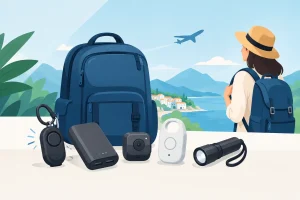
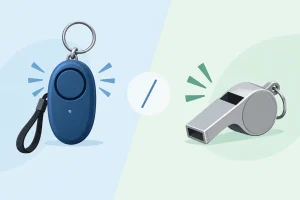
Home security does not end at the lock. There may be moments when you are walking from your car, checking the mail, taking out trash, or answering an unexpected knock. A safety light can help you see and be seen in poorly lit areas. A personal alarm can draw immediate attention. Depending on your comfort level and local laws, self-defense tools such as pepper spray may be part of your broader personal protection plan.
Know how to use any safety product before an emergency happens. Keep it accessible, but out of reach of children and away from casual visitors. Read the instructions, understand storage requirements, and check local restrictions before carrying or using any self-defense device.
Elite Warrior Defense focuses on practical, affordable tools that help renters add protection without turning a lease into a renovation project. The right product is the one you can operate confidently and use consistently.
Security equipment works better when everyone in the home knows what to do. Decide how you will respond to an alarm, a suspicious person at the door, or an attempted entry. Keep your phone charged. Save your property manager’s contact information. If there is an immediate threat or active break-in, get to a safe location and call 911 rather than confronting the person.
It also helps to walk through your home after dark. Check whether entryways are well lit, whether curtains provide privacy, and whether a visitor could easily see valuables through a window. This quick review often reveals simple fixes that are easy to miss in daylight.
Your rental may not be permanent, but the confidence you build from protecting it can be. Start with one vulnerable entry point, add a layer you can trust, and make your home a place where you can rest easier tonight.


YOU’RE IN!
Use this code on every order
🎉
Here’s Your Code!
Use it now an on every future order.
YOUR DISCOUNT CODE
We also sent this code to your email for safekeeping.
EXCLUSIVE OFFER
Every order – not just your first!
Unlock Your Discount Instantly
Enter your email below and your personal 15% discount code appears right here – no need to check your inbox.
🔒 We respect your privacy. Unsubscribe anytime.