
That late-night hallway noise hits differently when you live in an apartment. You hear a door shut, footsteps pause outside, and suddenly you want more than a standard lock between you and the unknown.
A good door alarm setup gives you warning time. That matters. In an apartment, you usually cannot replace the whole door, install a hardwired system, or make major changes to the frame. So the right setup is not about building a fortress. It is about creating an early alert system that is affordable, renter-friendly, and fast to use when stress is high.
Here is a strong, simple apartment door alarm setup example for a single-entry unit. It uses layered protection instead of depending on one device.
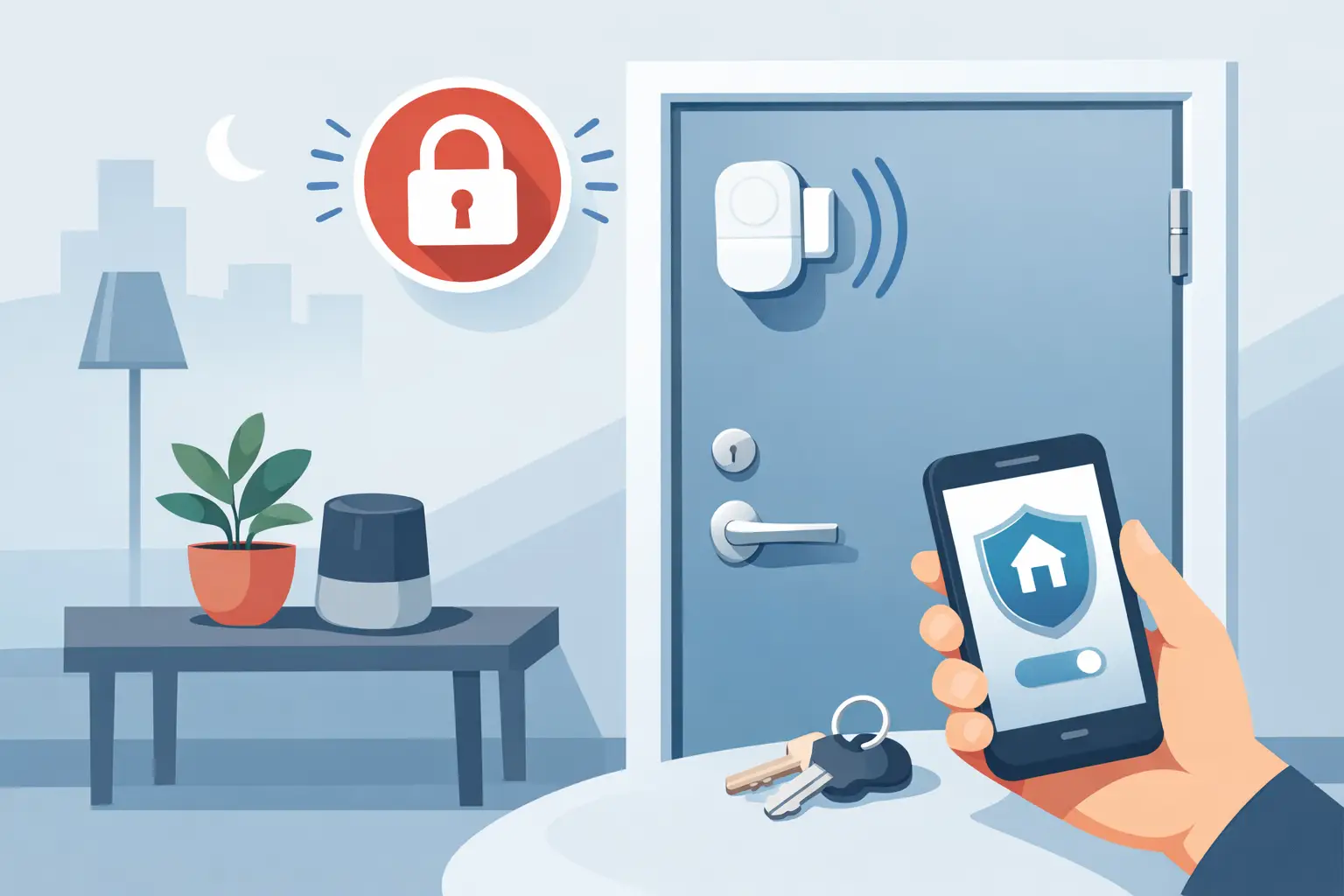
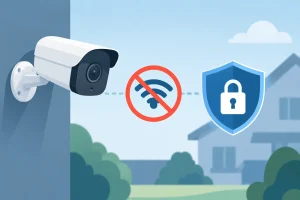
Start with a magnetic door and window alarm on the main apartment door. Mount the sensor on the frame and the magnet on the door so the alarm sounds the moment the door opens. Add a portable door stop alarm on the floor behind the door when you are home, especially at night. Then place a small motion alert or indoor camera aimed at the entry area, not because it stops someone physically, but because it tells you what triggered the alarm and gives you a record if needed.
If your apartment has a patio door or ground-floor window, use the same magnetic alarm approach there too. The point is simple: force any unwanted entry to create noise immediately, and give yourself a second layer if the first one is bypassed.
This kind of setup works because apartment security is different from single-family home security. Hallways, shared entrances, maintenance access, package deliveries, and close neighbors all change how you need to think. You want fast alerts, easy installation, and devices you can remove when you move.
Most renters need security tools that install with adhesive, not screws. That immediately narrows the field. Hardwired systems can be effective, but they are usually overkill for a small apartment and may violate your lease. A basic door alarm setup can still give you meaningful protection without becoming a project.
The biggest strength of this approach is speed. A magnetic alarm can be installed in minutes. A door stop alarm takes seconds. That matters because many people put off security upgrades when they feel complicated or expensive. A simple setup is more likely to get used every day, and a security device only helps if you actually arm it.
There is also a psychological benefit. When you know your door has an audible alarm and a secondary barrier alert, you sleep better. Confidence matters. Security is not just about stopping a threat. It is also about reducing uncertainty.
For the primary door alarm, placement is everything. The sensor and magnet need to align closely when the door is shut. If they sit too far apart, you can get false alarms or missed alerts. Mount them high enough to avoid bumps from shoes, bags, or cleaning tools, but not so high that battery changes become annoying.
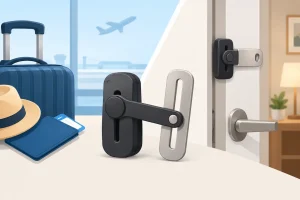
If your door opens inward, a door stop alarm belongs on the floor behind it, angled so the door presses into it if forced open. Test it with normal entry first. Some apartment doors have a larger gap at the bottom, and a stopper may slide if the floor is slick. If that happens, look for a model with better grip or move it slightly closer to the hinge side where pressure can hold better.
If you have a balcony or patio door, treat it like a front door, not an afterthought. Sliding doors are common weak points. A magnetic alarm works well here, and many renters also use a simple track blocker or bar for added resistance. The alarm gives you noise. The blocker slows entry. Those two jobs are not the same, and both matter.
Ground-floor windows deserve attention too. You do not need to alarm every window in a third-floor unit the same way you would on the first floor. This is where security depends on layout. Focus first on the easiest access points.
A small motion detector or camera facing the entry gives you context. If your door alarm sounds, you want to know whether it was your spouse arriving home, a maintenance visit you forgot about, or something more serious. Keep the device pointed at your own interior space. In apartments, privacy matters for both you and your neighbors.
This apartment door alarm setup example is strong on alerting, convenience, and affordability. It is especially good for renters, students, shift workers, and anyone who wants extra warning without modifying the property.
But it is not magic. A door alarm does not physically reinforce a weak door. It does not replace situational awareness. And if you live in a building where frequent authorized entry happens, such as package drop-offs or maintenance checks, you will need a routine so you are not constantly disarming and rearming in a rush.
Noise-based alarms also work best when someone can hear them. That may be you, a roommate, or nearby neighbors. If you are often away for long stretches, adding a device with mobile alerts may be worth the extra cost. For some people, a local siren is enough. For others, remote notification is the real priority.
The best security plan is one you will actually follow when tired, distracted, or in a hurry. That is why routine matters more than fancy features.
When you get home, lock the main deadbolt immediately. If you are staying in for the night, arm the magnetic alarm and place the door stop alarm before bed, not after you are half asleep. If you leave through a patio door often, create a habit for rechecking that sensor before turning in. Small habits close big gaps.
If you live with family or roommates, make sure everyone understands the system. A loud alarm that nobody knows how to silence becomes frustration, not security. Walk through it together once. Test the volume. Change batteries on a schedule instead of waiting for a warning chirp at 2 a.m.
A lot of people make one of two mistakes. They either buy the cheapest single alarm and hope for the best, or they overspend on gear they will never use properly.
For most apartments, the sweet spot is simple: one reliable magnetic alarm on the main door, one secondary deterrent like a door stop alarm, and optional motion or camera coverage for the entry zone. That gives you layers without turning your apartment into a control room.
Look for clear volume levels, easy battery access, and adhesive mounting that removes cleanly. If a product is difficult to arm or has tiny switches that are hard to use in low light, it is not practical. Under stress, simple wins.
This is also where trusted security-focused retailers matter. At Elite Warrior Defense, the focus is on practical personal and home security tools that regular people can put to use quickly, without paying for features they do not need.
The first mistake is putting too much faith in one device. If the battery dies or the alarm gets bumped out of position, your whole plan disappears. Layering fixes that.
The second is poor placement. A misaligned magnetic sensor can make a good product act unreliable. Always test your setup several times after installation, then test it again a week later.
The third is ignoring real-life access patterns. If you use one entry point constantly and another only occasionally, the high-use door needs the easiest routine. Security that clashes with your life usually gets skipped.
Finally, do not confuse an alarm with a response plan. If the alarm goes off at night, know what you will do. That may mean moving to a safer position, calling 911, turning on lights, or alerting another person in the home. Warning time only helps if you use it.
Some situations call for more than the basics. If you have had a stalking issue, suspicious hallway activity, an attempted break-in, or a poorly secured building entrance, a stronger layered approach makes sense. You may want alarms on every accessible opening, a camera with stored video, and additional personal safety tools within reach.
If your apartment community has solid building security and you are on an upper floor, you may not need as much equipment. That is the trade-off. Better building security can reduce your risk, but it should not make you passive. Your own front door is still your last line of privacy and control.
A strong setup is not about fear. It is about refusing to be caught off guard. When your security tools are simple, loud, and ready, you gain something valuable: time to respond, time to assess, and more confidence in your own space.
Your apartment should feel like the place where your guard can come down a little, and the right alarm setup helps make that possible.



YOU’RE IN!
Use this code on every order
🎉
Here’s Your Code!
Use it now an on every future order.
YOUR DISCOUNT CODE
We also sent this code to your email for safekeeping.
EXCLUSIVE OFFER
Every order – not just your first!
Unlock Your Discount Instantly
Enter your email below and your personal 15% discount code appears right here – no need to check your inbox.
🔒 We respect your privacy. Unsubscribe anytime.