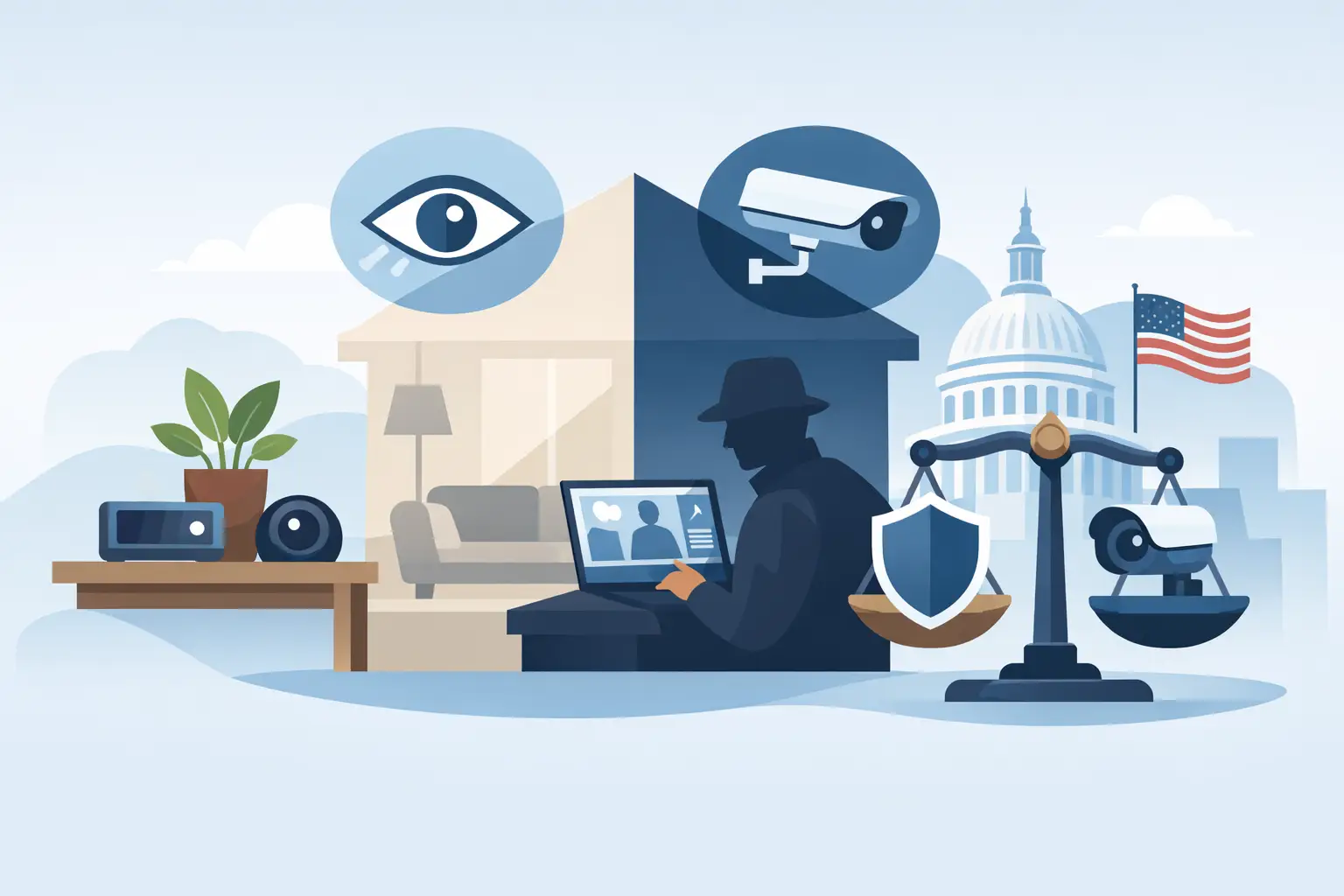
A hidden camera can help you catch package theft, monitor a vacant property, or document suspicious activity around your home. But before you install one, the real question is simple – are hidden cameras legal? In the US, the answer is often yes, but only in the right place, for the right reason, and without crossing clear privacy lines.
That distinction matters. Security tools should give you more control, not create legal trouble. If you are thinking about using a hidden camera for home or personal security, you need a practical understanding of where the law generally allows it, where it does not, and what gray areas deserve extra caution.
Are hidden cameras legal on your property?
In many situations, hidden cameras are legal when you use them on property you own or control for legitimate security purposes. Homeowners commonly place cameras near front doors, driveways, garages, entry points, and common interior areas to deter theft and record evidence if something happens.
The key issue is not just ownership. It is whether the person being recorded has a reasonable expectation of privacy. That phrase shows up again and again in privacy law because it is the line between lawful monitoring and unlawful intrusion.
If someone walks up to your front porch, they generally should not expect complete privacy. The same is usually true in a visible entryway, a shared living room, or a retail checkout area. But if a camera is hidden in a bathroom, changing area, or bedroom used by guests or tenants, the legal risk rises fast. In many cases, that can move from a privacy violation into criminal conduct.
Where hidden cameras are usually not legal
There are places where hidden recording is far more likely to be illegal, even if the camera is on property you own. Bathrooms are the clearest example. The same goes for showers, locker rooms, and spaces used for changing clothes. These are areas where privacy is expected, and the law tends to protect that expectation aggressively.
Bedrooms are more complicated. If it is your own bedroom in your own home and no one else uses it privately, that is one thing. If it is a guest room, a nanny’s sleeping space, a tenant’s room, or any area where another person lives or undresses, that is very different. A hidden camera in that setting can create serious civil and criminal exposure.
Short-term rentals create another layer of risk. Property owners sometimes want extra security, but concealed cameras inside rental units are heavily scrutinized and often prohibited, especially in private indoor spaces. Even when a camera is technically allowed in a common area under certain rules, failing to disclose it can trigger major legal and platform-related consequences.
The audio issue is where people get burned
A lot of people ask, are hidden cameras legal, when the harder question is actually about audio. Video recording and audio recording are not always treated the same under US law.
Many states allow video recording in places where there is no reasonable expectation of privacy. Audio recording is often stricter because wiretapping and eavesdropping laws may apply. Some states follow one-party consent rules, which means one person involved in the conversation can consent to the recording. Other states require all parties to consent.
That means a hidden camera with a microphone can create more legal risk than a camera that records video only. A homeowner who is legally capturing video near an entry door may still run into trouble if the device is secretly recording private conversations without the required consent.
If you want to reduce legal exposure, pay close attention to whether your device records sound. In some cases, turning off audio or using a video-only setup is the safer move.
Hidden cameras and employees, caregivers, and service workers
People often use hidden cameras to protect vulnerable family members, verify in-home care, or monitor who enters the house while they are away. The goal may be reasonable and protective, but the law still depends on placement, notice, and privacy expectations.
A camera in a living room to monitor a caregiver caring for an elderly parent may be lawful in many cases. A hidden camera in a bathroom to check whether that caregiver is doing their job is not. The same basic rule applies to housekeepers, dog walkers, repair workers, and babysitters. Common areas are generally safer. Private spaces are not.
Employment laws can also come into play if you are monitoring workers. Even in a private home, recording someone on the job should be approached carefully. If the camera also captures audio, the legal analysis gets even more sensitive.
Landlords, tenants, and roommates face different rules
This is where people make expensive mistakes. If you own a property but rent it to someone else, that does not mean you can place hidden cameras inside the unit wherever you want. Tenants have privacy rights inside the space they lease.
Landlords may be able to use visible cameras in exterior areas, hallways, parking lots, or building entrances, depending on state law and local rules. Hidden cameras inside a tenant’s apartment or house are a different matter and are generally a legal minefield.
Roommates should also be careful. Shared spaces may be one thing, but recording someone in their private bedroom or private bathroom is another. Even when one resident pays the rent or owns the home, that does not erase another occupant’s right to privacy in certain areas.
Why intent matters, but does not solve everything
Courts and law enforcement often look at why a camera was installed. A device used to prevent burglary, document trespassing, or protect a child may be viewed differently than one installed to spy on someone, stalk them, or capture intimate footage.
Still, good intentions do not automatically make bad placement legal. You can have a legitimate security concern and still violate privacy law if you put the device in the wrong place or record audio without proper consent.
The strongest position is a narrow one. Use the camera for a real security purpose. Place it where privacy expectations are low. Avoid secret audio recording unless you are certain it complies with your state’s law. Keep the use tied to protection, not surveillance for curiosity or control.
Practical ways to stay on safer legal ground
If your goal is home protection, think like a responsible security owner. Focus on entrances, windows, driveways, garages, front porches, and other access points. Inside the home, stick to common areas only when there is a clear reason to monitor them.
Avoid installing hidden cameras in bathrooms, bedrooms used by others, changing areas, or any place where a person would reasonably expect privacy. Be especially cautious if children, guests, tenants, or domestic workers are involved.
Check whether your camera records audio by default. Many people buy a device and never realize the microphone is active. That small setting can create a big legal difference.
It is also smart to review your state laws before installing anything. Hidden camera laws are not perfectly uniform across the US, and local rules can add another layer. If your situation involves tenants, employees, a rental property, or a family dispute, getting legal advice is the stronger move.
Are hidden cameras legal for self-protection?
Yes, often they are – when used in a lawful, targeted way. For many Americans, hidden cameras are part of a broader personal safety plan. They can help document break-ins, confirm repeated trespassing, watch over deliveries, and support a police report with real evidence instead of guesswork.
That said, self-protection works best when it is disciplined. A security tool should strengthen your position, not weaken it. If you are using a hidden camera, the best approach is simple: record where security matters most, respect private spaces, and understand whether your device captures sound as well as video.
At Elite Warrior Defense, that same principle drives every security choice – confidence comes from being prepared, but also from using the right tools the right way. A hidden camera can be a smart layer of protection when it is placed carefully and used within the law.
If you are ever unsure, trust that hesitation. It usually means the placement deserves a second look before you hit record.