

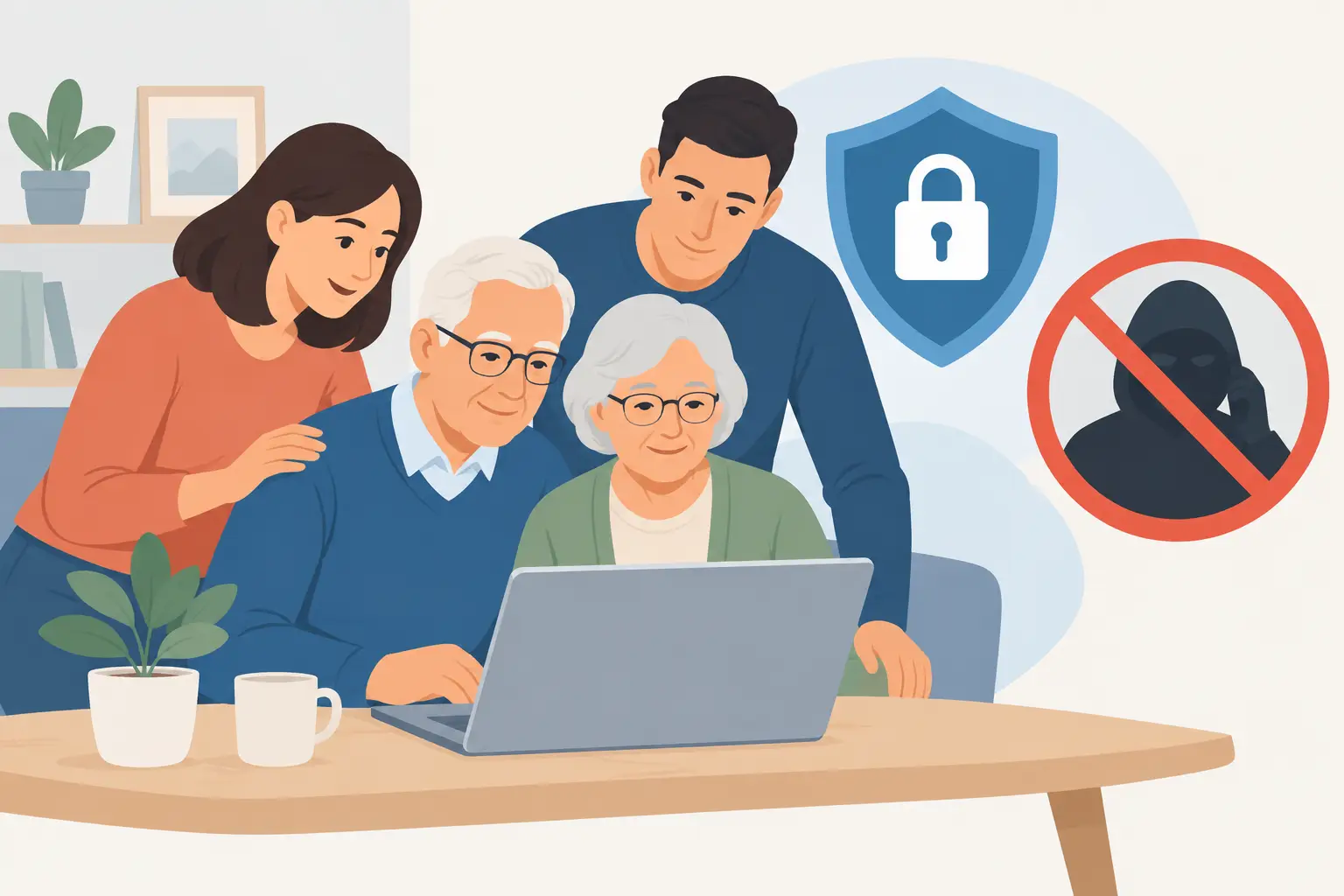
A convincing voice on the phone can empty a retirement account in hours. A fake delivery notice can expose passwords just as quickly. This guide to elder fraud prevention gives families practical ways to recognize pressure tactics, close common security gaps, and respond without blaming the person targeted.
Older adults are not fooled because they are careless. Scammers are skilled at creating fear, urgency, trust, or embarrassment. They use information pulled from public records, social media, data breaches, and even a quick look at a mailbox. The strongest defense is not suspicion of everyone. It is a clear plan that makes it easier to pause, verify, and ask for help.
Fraudsters usually do not begin by asking for money outright. They begin with a story designed to trigger a fast emotional response: a grandchild is in jail, a bank account is under attack, a government agency is demanding payment, or a new online friend needs emergency help.
The goal is to isolate the target from good advice. A scammer may say, “Don’t tell your family,” claim that a secret investigation is underway, or keep someone on the phone while they move money. Any caller, text, email, or visitor who demands immediate action and discourages independent verification should be treated as a threat.
Age can bring circumstances scammers exploit, including predictable income, accumulated savings, loneliness, grief, unfamiliar technology, or a desire to remain independent. Respect that independence. Prevention works best when it gives an older loved one more control, not when it takes control away.
A good plan should be easy to remember during a stressful moment. Start with one household rule: no money, gift cards, cryptocurrency, passwords, or verification codes are sent or shared because of an unexpected call, text, email, or doorstep visit.
Create a short list of trusted contacts and keep it near the phone. Include a family member, a close friend, the bank’s number as printed on a card or statement, a doctor’s office if health scams are a concern, and local non-emergency police contact information. The key is to use known contact details, never a number supplied by the person making the request.
Choose a family “pause phrase” that makes it easy to step away without embarrassment. Something as simple as, “I never make financial decisions on the phone. I will call back,” can end the pressure. For relatives, agree that anyone can call for a second opinion without being judged or lectured.
It also helps to discuss scams before one happens. Bring it up after seeing a suspicious text or a news story, not after an argument about finances. Ask, “What would you do if someone said they were me and needed money right away?” That conversation can make a real emergency easier to handle later.
The details change, but the warning signs repeat. A person claiming to be from a bank or government office may spoof a familiar phone number. A pop-up warning may insist a computer has been infected. A romance scammer may spend weeks building trust before mentioning money. A fake contractor may point to a damaged roof and demand a large cash deposit.
Watch for these four signals together: urgency, secrecy, unusual payment methods, and a demand to bypass normal procedures. Gift cards, wire transfers, cash pickups, cryptocurrency kiosks, and payment apps are popular because transactions can be difficult or impossible to reverse.
The grandparent scam deserves special attention. The caller may know a grandchild’s name and imitate distress, sometimes using artificial intelligence to mimic a voice. Do not rely on the caller’s voice alone. Hang up and contact the relative directly using a saved number. Families can also agree on a private question or phrase that a stranger would not know.
Door-to-door fraud has a physical safety angle. A stranger who says they need to inspect a utility line, roof, or security issue should not be allowed inside based on a uniform, badge, or vehicle alone. Keep the door locked, speak through a doorbell camera or closed door when possible, and independently call the company to verify the visit.
Strong digital habits reduce the damage a scammer can do. Use a different password for every financial, email, and shopping account, preferably stored in a reputable password manager. Turn on multi-factor authentication, but remember that a one-time verification code is private. A legitimate bank employee will not ask a customer to read it aloud.
Review bank and credit card alerts together. Alerts for large withdrawals, online logins, new payees, or changes to contact information can provide early warning. Some families use account monitoring or a trusted contact authorized by the financial institution. The right arrangement depends on the person’s wishes and capacity, but early planning is far safer than rushing to solve a crisis.
Secure the home side, too. Shred bank statements, preapproved credit offers, prescription labels, and documents with account details. Pick up mail promptly or use a locked mailbox. Be cautious about what is visible through windows, in the trash, or on social media, including vacation plans, birthdays, and photos of checks or documents.
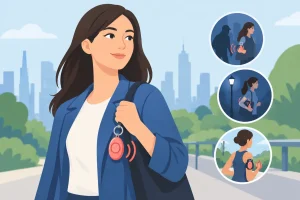
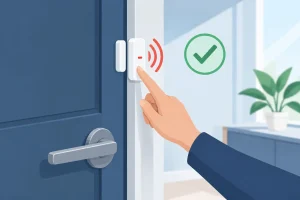
Basic home security can create another layer of confidence. Window and door alarms, motion-activated safety lights, and visible cameras can discourage unwanted access and help a resident verify who is outside before opening the door. Products should support sound habits, not replace them. A locked door and a verified visitor matter more than any single device.
Unknown calls do not need an immediate answer. Let them go to voicemail. Legitimate callers can leave a message with enough information to verify independently. For suspicious texts, do not tap links, call the listed number, or reply “stop” if the message appears fraudulent. Block it after saving a screenshot if a report may be needed.
For email, check the sender’s full address, not just the display name. Misspellings, strange attachments, and urgent demands are common warning signs, but polished messages can be fraudulent too. When an email appears to come from a bank, retailer, medical provider, or government agency, open a new browser window or use a known app rather than selecting a link in the message.
Visitors should be treated with the same caution. Do not hand over a check, sign a contract, or make a deposit during an unsolicited visit. Get multiple written estimates for home work and check credentials through official channels. If someone refuses to leave, attempts to enter, or becomes aggressive, call 911.
Speed matters, but shame can slow people down. Make it clear that reporting a scam is a protective action, not an admission of failure. Start by preserving evidence: take screenshots, save emails and texts, write down dates and phone numbers, and keep receipts or gift card details.
Then contact the bank, card issuer, payment app, or wire service immediately using a trusted number. Ask whether a transfer can be stopped, a card replaced, or an account frozen. Change passwords beginning with email, because email access often allows a criminal to reset other accounts.
Report identity theft and suspected financial exploitation to the appropriate authorities. Depending on the situation, that may include local law enforcement, Adult Protective Services, the financial institution’s fraud department, the Federal Trade Commission, or a state consumer protection office. If a scam involved a caregiver, neighbor, or family member, document facts carefully and seek professional guidance rather than trying to manage a dangerous situation alone.
After the immediate threat is contained, check credit reports and watch financial statements for unfamiliar activity. A scammer who gets a small payment may return with a new story, or sell information to other criminals. Increased scam contact after an incident is common, which is why a firm no-contact rule is useful.
Families sometimes overcorrect after a scare by taking over every account, phone, or decision. That can create resentment and may cause an older adult to hide future concerns. A better approach is regular, calm check-ins: review unusual messages, confirm major financial changes, and keep emergency contacts current.
If cognitive changes are present, stronger safeguards may be appropriate, such as transaction alerts, spending limits, a trusted contact on financial accounts, or professional legal and financial planning. These are personal decisions. The objective is to reduce opportunities for exploitation while preserving dignity wherever possible.
Fraud prevention is strongest when it becomes a routine, not a reaction. A five-minute conversation, a locked door, an ignored unknown call, or a second opinion before sending money can protect far more than a bank balance. It protects the confidence and independence your loved one has worked a lifetime to build.



YOU’RE IN!
Use this code on every order
🎉
Here’s Your Code!
Use it now an on every future order.
YOUR DISCOUNT CODE
We also sent this code to your email for safekeeping.
EXCLUSIVE OFFER
Every order – not just your first!
Unlock Your Discount Instantly
Enter your email below and your personal 15% discount code appears right here – no need to check your inbox.
🔒 We respect your privacy. Unsubscribe anytime.