
A self-defense tool only helps when it is legal where you carry it, easy for you to reach, and simple enough to use under stress. This comparative guide to non-lethal self-defense tools is built around that reality. The best choice is rarely the tool with the most features. It is the one that fits your routine, your comfort level, and your local laws.
Non-lethal does not mean harmless. Pepper spray, electrical defense devices, and impact tools can cause injury, and every tool must be used responsibly and only when you reasonably believe you face an immediate threat. Your goal is to create an opportunity to get away, reach a safer place, and contact emergency services – not to stay in a confrontation.
Before choosing a device, look at five practical factors: access, distance, reliability, legality, and training. A tool buried at the bottom of a backpack may be technically effective but unavailable when seconds matter. A device that requires close contact can be a poor fit for someone who wants more personal space. Likewise, a powerful option is not automatically the right option if it is difficult to operate or prohibited in your state, city, workplace, school, or travel destination.
Think about the situations you actually encounter. Walking from a parking garage after work, jogging before sunrise, answering the door, and protecting a home each call for different layers of preparation. A compact personal alarm may be ideal for a student or runner. A home security setup may call for door alarms, safety lights, and a readily accessible defense tool rather than one item expected to solve every problem.
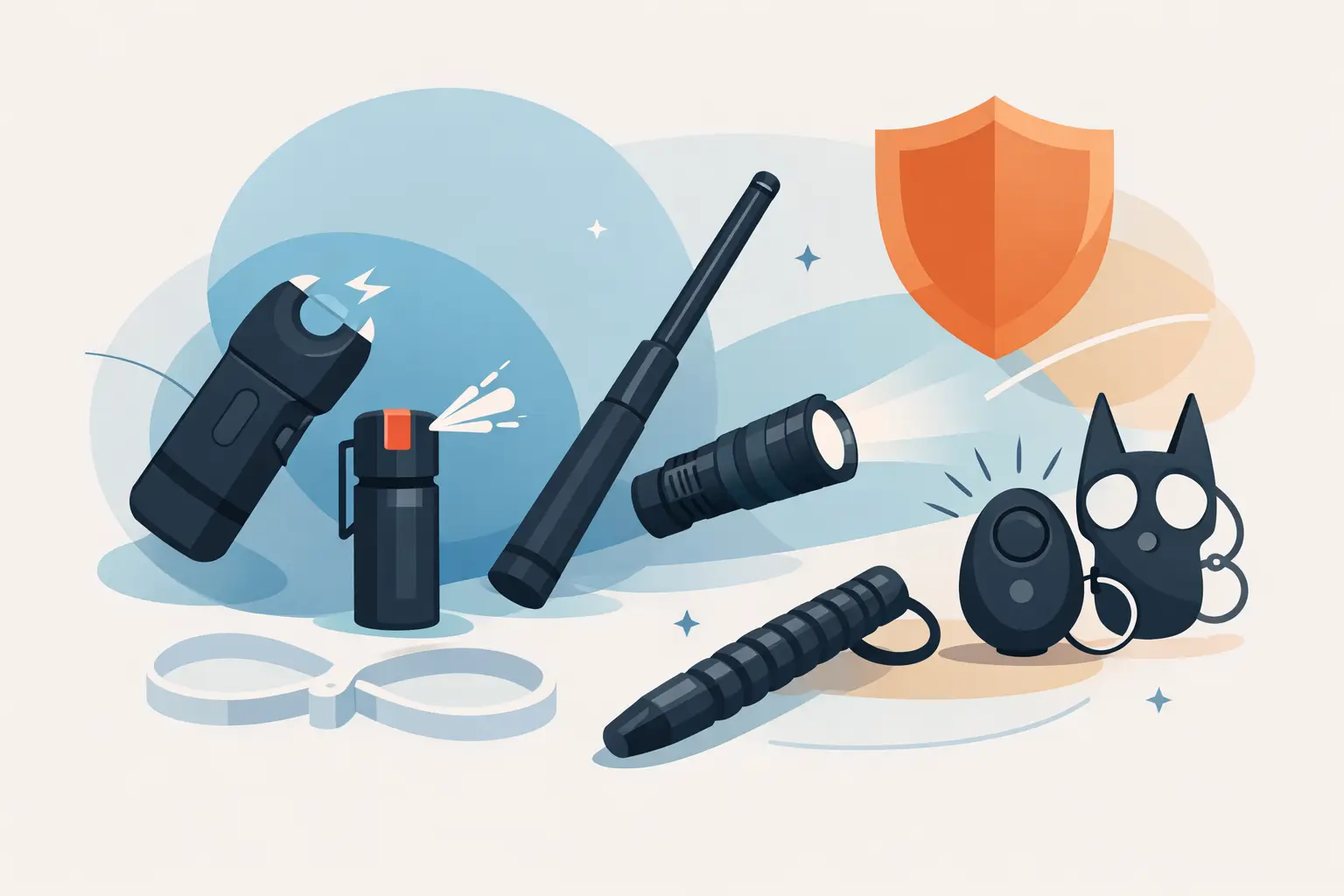
| Tool type | Best strength | Main trade-off | Often best for | |—|—|—|—| | Pepper spray | Creates distance and disruption | Wind, range, and local restrictions matter | Everyday carry and walking to a vehicle | | Stun gun | Close-range electrical deterrence | Requires contact or very close proximity | Carry where the user is comfortable with close access | | Personal alarm | Draws attention without physical contact | Depends on other people hearing and responding | Students, runners, travelers, and keychain carry | | Stun baton | Reach and visible deterrent effect | Larger and less convenient to carry | Home, vehicle, or property security where legal | | Tactical pen | Discreet, everyday utility | Requires close contact and confidence | Minimalist everyday carry, subject to local rules |
Pepper spray is one of the most common personal-defense choices because it is compact, affordable, and designed to create space between you and a threat. It can cause intense eye irritation, coughing, and disorientation, giving a user a chance to leave. For many adults, that combination of distance and portability makes it a practical everyday option.
The trade-off is that spray performance is affected by wind, rain, crowded spaces, and the user’s ability to aim under pressure. It may also affect anyone nearby, including you. Choose a container with a secure safety mechanism that you can operate confidently, and keep it in a consistent, reachable location such as an outer pocket or dedicated bag compartment. Practice holding and accessing the inert device or closed canister without discharging it.
State and local rules can limit container size, formulation, shipping, or where pepper spray may be carried. Check the rules before purchasing or traveling, especially near schools, government buildings, airports, and workplaces.
Pepper gel is often considered by people concerned about airborne blowback because it is designed to project in a more direct stream. It still requires accurate placement and does not eliminate every environmental risk. Bear and dog repellents are formulated and labeled for animal encounters. Do not assume an animal repellent is interchangeable with a personal-defense spray or legal for every intended use. Read the label and follow applicable laws.
A stun gun uses electrical current as a deterrent when its contact points touch an attacker. Many models include features such as a safety switch, rechargeable battery, flashlight, or wrist strap. The visible and audible warning can itself discourage some threats, but it should never be treated as a guaranteed outcome.
The central limitation is distance. A contact stun gun requires you to be very near the person threatening you. That may not suit someone who wants an option for a parking lot or isolated walkway where maintaining space is the priority. It can be better suited for users who want a compact device available for close-range emergencies and are willing to learn its controls.
Keep batteries charged and test only as directed by the manufacturer. A device with a depleted battery, confusing safety switch, or unfamiliar charging method may fail when confidence matters most. Stun gun laws vary widely, and certain states, municipalities, and restricted locations may prohibit possession or carry.
Stun batons add length and visibility. That extra reach can make them a more suitable choice for home, vehicle, or property situations where a compact pocket device is less useful. Some people also value the baton’s flashlight function for checking a dark yard, hallway, or parking area.
Their size is also their drawback. A baton is not as discreet or convenient as a keychain alarm or pepper spray, and it may draw attention if carried openly. It also requires secure storage, particularly around children and unauthorized users. If you select one, keep it where you can access it quickly without leaving it loose in a vehicle or hidden beneath clutter.
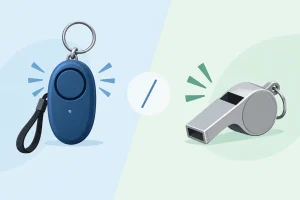
A high-decibel personal alarm does not depend on close contact, batteries aside, or perfect aim. It is intended to attract attention, interrupt the moment, and make a person feel less isolated. For younger adults, older adults, runners, dog walkers, and anyone who prefers not to carry a force-based tool, an alarm can be an excellent first layer.
Its limitation is obvious: it works best where someone may hear it. In a remote area, an alarm may not bring immediate help, though the sound can still create disruption. Pair it with situational awareness, a charged phone, and a plan for getting to a populated or secure location.
Safety lights are another practical layer. Good visibility helps you see uneven paths, locate keys, and avoid walking blindly into an unsafe area. A light is not a substitute for a defense tool, but it can help you make better decisions earlier – often the most effective form of personal security.
Tactical pens appeal to people who want an item that can serve an everyday purpose while remaining compact. Their usefulness depends heavily on the user’s confidence and ability to act at very close range. They are not a replacement for awareness, escape planning, or a distance-based tool.
Self-defense keychains vary significantly. Some include alarms, lights, or small utility features, while others may be restricted by local laws or policies. Avoid buying a keychain tool simply because it looks intimidating. Prioritize a design you can carry consistently, identify by touch, and use lawfully without hesitation.
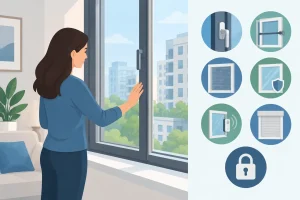
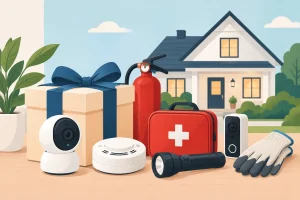
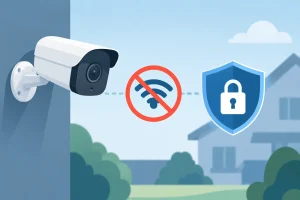
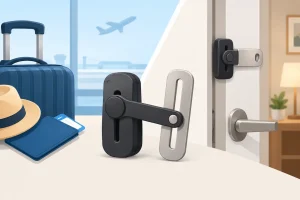
The strongest approach is layered. At home, that may mean door and window alarms, exterior lighting, a visible camera or dummy camera, and a secure place for emergency tools. On the go, it may mean a charged phone, a personal alarm, pepper spray where lawful, and a habit of staying alert when entering or leaving a vehicle.
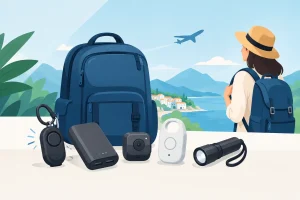
Elite Warrior Defense offers a range of accessible personal and home security products because people do not all face the same risks or need the same carry option. A commuter may prioritize a compact spray and alarm. A homeowner may prioritize entry alerts and lighting. A person who walks a dog after dark may want a flashlight and an animal-specific repellent. The right setup reflects your daily life.
Before carrying any tool, ask yourself: Can I legally possess it here? Can I reach it with one hand? Have I read the instructions and checked its condition? Do I understand that my priority is to escape and call for help? If any answer is no, adjust your plan before you depend on the device.
Confidence is not about carrying the most aggressive-looking tool. It comes from choosing equipment you can use responsibly, keeping it ready, and giving yourself more than one path to safety when a situation feels wrong.


YOU’RE IN!
Use this code on every order
🎉
Here’s Your Code!
Use it now an on every future order.
YOUR DISCOUNT CODE
We also sent this code to your email for safekeeping.
EXCLUSIVE OFFER
Every order – not just your first!
Unlock Your Discount Instantly
Enter your email below and your personal 15% discount code appears right here – no need to check your inbox.
🔒 We respect your privacy. Unsubscribe anytime.