A tactical pen only helps if you can reach it fast, hold it correctly, and use it under pressure. That is the real answer to how to use tactical pen tools effectively. It is not about looking tough or carrying a gadget. It is about having a simple, legal-minded option that works as a pen every day and gives you one more layer of protection when seconds matter.
What a tactical pen is really for
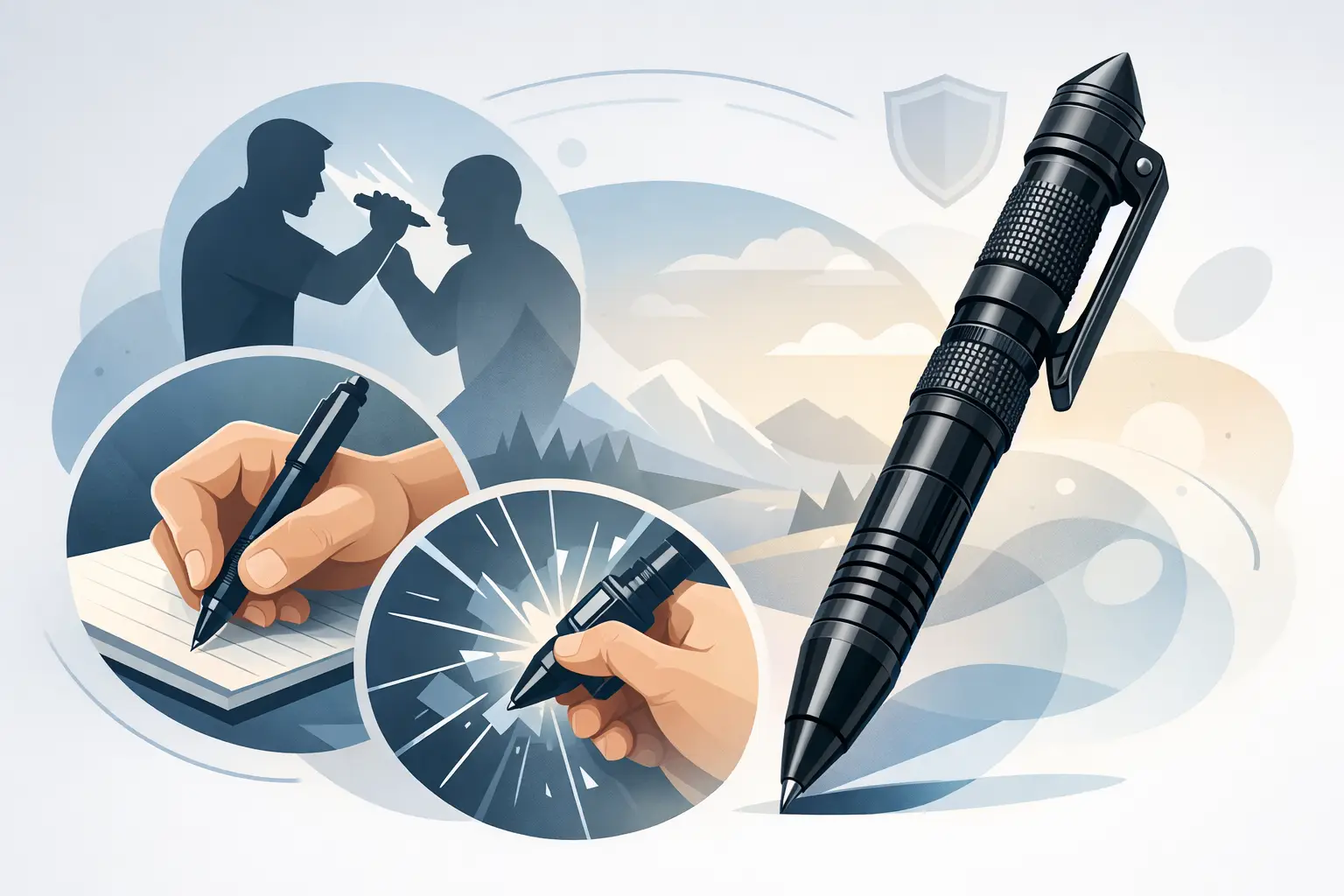
A tactical pen is a sturdy writing instrument built from hard materials like aircraft-grade aluminum or steel. It usually writes like a normal pen, but it may also include features such as a reinforced tip for glass breaking and a body shaped for a stronger grip. Some models add extras, but the core value stays the same – it is discreet, easy to carry, and useful even when you are not thinking about self-defense.
That matters because the best safety tool is often the one you actually keep with you. A tactical pen fits in a pocket, purse, work bag, or vehicle console without drawing much attention. For many people, that makes it easier to carry consistently than bulkier gear.
How to use tactical pen for everyday carry
Start with placement. If your pen is buried at the bottom of a bag, it is much less useful in a stressful moment. Carry it somewhere you can access quickly with your dominant hand. A shirt pocket, front pocket clip, notebook sleeve, or side pouch in a purse can all work. The right choice depends on how you dress and move through the day.
Next, get familiar with the pen as a normal tool. Write with it. Clip and unclip it. Open it and close it if it has a cap or twist mechanism. That routine matters more than people think. Under stress, you do not want to fumble with something that feels unfamiliar.
You also want to check your local laws and any building-specific rules before carrying one. Tactical pens are often legal in many places because they are functional writing tools, but policies can vary by state, workplace, school, courthouse, or airport. If you travel, pay extra attention. A tactical pen that is fine in your daily routine may not be allowed through security screening.
The right grip makes a big difference
If you are learning how to use tactical pen tools for protection, grip is where to begin. Most people are strongest and most controlled with a hammer-style grip. That means the pen sits in your fist with the reinforced end extending from the thumb side of your hand. Your fingers wrap around the body, and your thumb stays tight and secure.
This grip gives you better retention and makes gross motor movement easier. That is important because fine motor skills tend to drop when adrenaline spikes. A fancy technique may look good in a video, but under real pressure, simple and repeatable usually wins.
A forward grip can also work, especially if you naturally hold the pen like you are about to write with force. The trade-off is control versus power. Some people feel more precise with that position, while others find it easier to lose the tool if someone grabs at their hand. Practice both, but build your confidence around the grip that feels stable and natural.
Using a tactical pen for self-defense
A tactical pen is not a magic fix. It is a close-range defensive option designed to create pain, disrupt an attack, and give you a chance to break contact and escape. The goal is not to stand and trade blows. The goal is to make space and get to safety.
Targeting matters. In a threat situation, aim for accessible soft tissue and vulnerable areas that can interrupt an attacker long enough for you to move. Hands, forearms, thighs, and other soft targets are often more realistic than trying to land a perfect strike somewhere small and moving. If someone is grabbing you, attacking the hand or forearm controlling you may be the fastest way to loosen that hold.
Keep your motions short, direct, and aggressive. A tactical pen works best with compact strikes and jabs, not wide swings. Wide motions are easier to see, easier to block, and more likely to throw you off balance. You want clean movement, strong posture, and immediate follow-through with escape.
That said, self-defense always depends on the situation. Your size, your mobility, the attacker’s position, and the environment all change what is possible. A tactical pen can be effective, but it is still a tool with limits. If you can avoid a confrontation, leave early, or create distance without physical contact, that is usually the better outcome.
How to use tactical pen in emergency situations
Many people buy a tactical pen for defense and forget that its emergency utility may be just as valuable. A glass-breaking tip can help in a vehicle emergency if a window needs to be shattered. Side windows are typically the target, not the windshield, which is designed differently and is much harder to break.
If you ever need to use the pen for window escape, strike near a corner of the side window rather than the center. Corners are often more vulnerable. Hold the pen firmly, keep your face turned away from flying debris, and use decisive force. This is not something to test casually on your own vehicle, but it is worth understanding before an emergency happens.
Some people also use tactical pens as part of a broader readiness setup that includes flashlights, alarms, and other personal safety items. That approach makes sense. One tool rarely covers every situation. Layered preparedness is usually stronger than relying on any single item.
Practice without turning it into a fantasy
The best way to build skill is with simple, realistic repetition. Practice drawing the pen from where you actually carry it. Practice getting into a solid grip. Practice moving off line, creating distance, and issuing a loud verbal command like “Back up” or “Stay back.” Those habits are practical, and they match the way real encounters unfold.
You can also use a training marker or a similar safe stand-in to rehearse movement against a heavy bag or padded target. Focus on balance, retention, and speed back to a safe position. Do not get stuck on flashy combinations. In self-defense, a few reliable actions are better than a long sequence you will not remember under stress.
If you want to take your preparation seriously, quality self-defense training is worth it. A good instructor can help you understand distance, awareness, legal use of force, and how to handle the adrenaline dump that changes everything in a real confrontation.
Common mistakes to avoid
One of the biggest mistakes is treating the tactical pen like a novelty item. If you carry it only because it looks cool, chances are you will not have the access or skill to use it well when it counts. Another mistake is relying on the pen while ignoring awareness. Your first line of defense is still paying attention, avoiding trouble spots, and recognizing danger early.
Poor carry placement is another common problem. So is choosing a model that feels too slick, too bulky, or awkward in your hand. The best tactical pen is not always the one with the most features. It is the one you can grip securely, carry comfortably, and deploy without thinking.
There is also a mindset issue. Some people imagine a tactical pen as a way to overpower someone larger or more aggressive. That is not the right frame. Think of it as a force multiplier that may help you interrupt an attack long enough to escape. That is a more realistic and safer expectation.
Choosing a tactical pen that fits your routine
A good tactical pen should write reliably, feel solid in your hand, and clip securely where you carry it. Texture helps, especially if your hands are sweaty or you are moving fast. Weight is more personal. A heavier pen may feel powerful and sturdy, while a lighter pen may be easier to carry every day. It depends on what you will truly keep with you.
If the pen includes a glass breaker, make sure the tip is well-built and protected enough that it does not create unnecessary wear on your clothing or bag. Also pay attention to how quickly you can orient the pen in your hand. In a stressful moment, simple design beats complicated design almost every time.
For people building a practical, affordable safety setup, Elite Warrior Defense focuses on tools that fit real life rather than fantasy scenarios. That is the standard to keep in mind when choosing any personal security item.
Confidence comes from preparation, not from carrying gear alone. Learn the tool, practice the basics, know your local laws, and keep your focus on creating space and getting home safe.