A locked door can still leave you wanting another layer of protection, especially in a hotel room, apartment, dorm, or home where you cannot make permanent changes. This door wedge alarm review looks at what these compact devices do well, where their limits are, and how to decide whether one belongs in your security plan.
A door wedge alarm is not a substitute for a quality deadbolt, a locked entry door, or good awareness. It is a portable barrier and attention-getter designed to make an unauthorized entry more difficult and much louder. Used correctly, it can buy valuable seconds, wake you up, and make an intruder reconsider immediately.
Door Wedge Alarm Review: What It Actually Does
A typical door wedge alarm combines a rubberized wedge with a battery-powered siren. You place it on the floor behind a closed, inward-swinging door. When someone pushes the door inward, the bottom edge presses down on the alarm’s activation plate. The wedge resists the door’s movement while the device emits a high-decibel alarm.
That two-part response is the real value. The wedge adds physical resistance, while the alarm draws attention to the attempted entry. A person trying a door does not get quiet access. Instead, they encounter unexpected resistance and a piercing sound that can alert you, nearby occupants, hotel staff, neighbors, or anyone within hearing range.
Most models are small enough to fit in a suitcase, nightstand, or bedside bag. They require no tools, drilling, wiring, or permanent installation. For renters and travelers, that simplicity is a major advantage.
The key word is resistance, not impenetrability. A determined person may be able to force a door open, particularly if the door, frame, lock, or floor surface is weak. The alarm is meant to create delay and attention, not to turn a lightweight interior door into a vault door.
Where a Door Wedge Alarm Helps Most
Door wedge alarms are especially useful when you need temporary security without altering the property. Hotel rooms are an obvious example. You can check the main lock, engage the deadbolt or latch, and position the wedge alarm before going to sleep. If someone attempts to enter, the sound provides an immediate warning.
They also make sense for apartment dwellers, college students, people staying in short-term rentals, and anyone living with an entry door that feels less secure than it should. At home, a wedge alarm can be placed on a bedroom door for an added nighttime warning layer. It can also be useful in a home office, storage room, or another interior area where you want to know if someone enters.
For older adults, people living alone, and those who have experienced unwanted contact or attempted entry, the device can offer a reassuring measure of control. You decide when and where to deploy it. There is no app to configure, no subscription to maintain, and no complicated routine to remember.
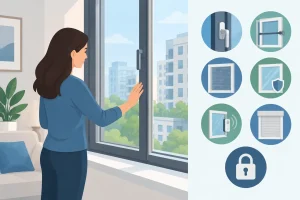
That said, a door wedge alarm works best as part of a layered approach. Exterior doors should still have dependable locks. Windows may need their own alarms or locks. A safety light, door alarm, or other visible security measure can add another obstacle before someone reaches the door itself. Elite Warrior Defense focuses on practical tools because no single product should carry the entire burden of protecting your home or personal space.
The Limits You Need to Understand
The first limitation is door direction. A standard wedge alarm is made for a door that swings inward toward the room where you place the device. If the door swings outward, the door cannot press into the wedge from your side. In that situation, a wedge alarm will not provide the intended barrier or trigger response.
Floor type matters just as much. Smooth tile, hardwood, laminate, or polished concrete can reduce grip, depending on the model’s rubber base and the force applied to the door. Thick carpet can also create problems if the device sits unevenly or the door does not press firmly enough on the activation plate. Before relying on it overnight or during travel, test it on the exact door and floor where you plan to use it.
Door clearance is another practical issue. If there is a large gap under the door, the wedge may not engage quickly. If the gap is extremely tight, the device may not fit beneath the door edge or activate properly. A good fit means the door makes contact with the top plate when pushed, while the rubber base remains flat and stable on the floor.
Finally, the alarm only helps if it is powered and armed. Batteries drain. Devices can be switched off accidentally in a travel bag. An alarm that has not been tested is not a security plan. Check the battery before a trip, test the siren periodically, and replace batteries according to the manufacturer’s guidance.
What Separates a Good Wedge Alarm From a Gimmick
A worthwhile door wedge alarm should have a broad, non-slip base and a durable wedge shape that does not easily slide under pressure. The activation plate should respond reliably when the door moves, without requiring a perfect angle or excessive force. If it takes too much door movement before the siren sounds, it gives up part of the warning advantage.
Alarm volume matters, but numbers alone do not tell the whole story. Many products advertise alarms around 100 to 120 decibels. That can be very loud at close range, but room layout, carpeting, closed doors, and outdoor noise affect what others actually hear. Look for a loud, sustained alarm rather than assuming a listed decibel number guarantees a response from someone nearby.
Battery access is easy to overlook until you need it. You want a compartment that stays secure during use but is not difficult to open when batteries need replacing. A low-battery indicator is helpful, though it does not eliminate the need for regular testing.
Size and weight involve a trade-off. A compact alarm is easier to pack and carry, but a larger, heavier base may provide more stability on certain surfaces. Frequent travelers may prioritize portability. Someone keeping the device beside a bed at home may prefer a sturdier option. Neither choice is automatically better. It depends on where and how you will use it.
How to Set It Up Without Guesswork
Start by closing and locking the door using every available built-in lock. Position the wedge alarm on the interior side of the door, directly in its path, with the tapered end facing the door. It should sit flat on the floor, not partly on a rug edge or uneven threshold.
Then arm the device and gently push the door from the outside if you can safely test it with another person. If that is not possible, apply pressure from the inside in the direction the door would move. Confirm that the door contacts the trigger area, the alarm sounds promptly, and the wedge does not slide away.
Do not place the unit so far from the door that the door can swing open several inches before making contact. The earlier it engages, the more useful it becomes. At the same time, make sure you can quickly move it aside if you need to exit. Security equipment should never create a new obstacle during an emergency.
A Smart Place in a Bigger Security Plan
Door wedge alarms are one of the most affordable ways to add a temporary alert layer, but they work best with clear habits. Lock doors immediately after entering. Verify who is outside before opening up. Keep a phone charged and within reach at night. If an alarm sounds because someone is attempting entry, move to a safer position, call 911 when appropriate, and avoid confronting the person unless you have no safe alternative.
For permanent home protection, consider the strength of the door frame, strike plate, deadbolt, and nearby windows. A loud alarm can create urgency, but strong hardware helps prevent an easy forced entry in the first place. Travelers should also use hotel deadbolts, privacy latches, and peepholes when available.
A door wedge alarm earns its place because it is simple, portable, and ready when you need another line of defense. Test it before you trust it, use it on a compatible inward-opening door, and treat the sound it makes as your signal to act quickly and protect yourself.