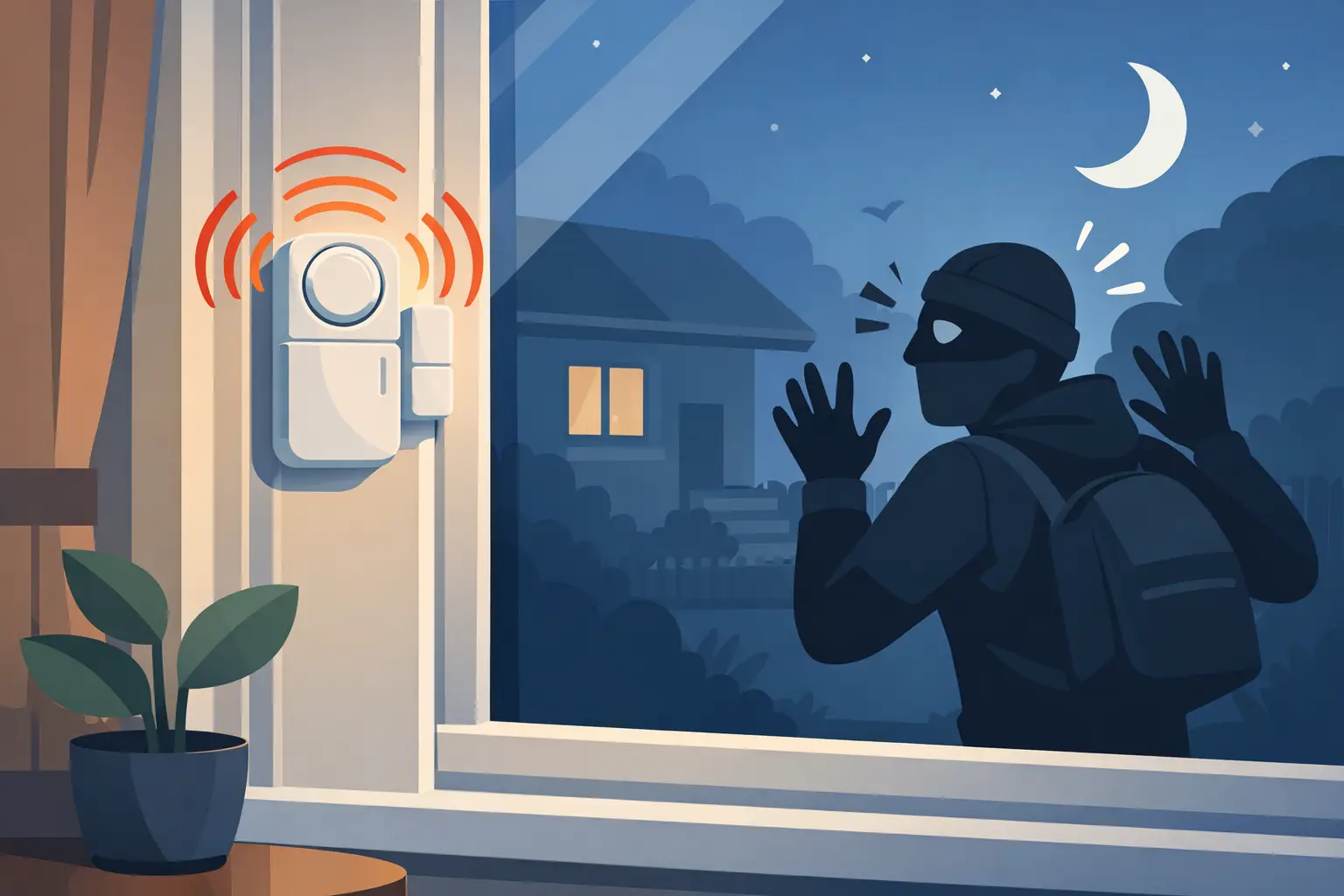
A burglar testing a window is usually looking for one thing – an easy, quiet entry. The second that quiet is gone, the risk changes. That is why so many homeowners ask, do window alarms scare burglars? In many cases, yes. Not because a small alarm magically stops every intruder, but because it adds noise, pressure, and uncertainty right when a criminal wants control.
That said, window alarms are not a force field. They are one layer of protection, and like any security tool, their real value depends on how and where you use them. If you want practical home protection instead of false confidence, it helps to understand what these alarms actually do to a burglar’s decision-making.
Do window alarms scare burglars in real life?
Most burglars are not looking for a fight. They are looking for speed, low visibility, and the highest chance of getting in and out without being noticed. A window alarm threatens all three. The moment a loud siren goes off, the criminal loses the advantage of silence. Neighbors may hear it. The homeowner may wake up. The intruder now has to guess whether police, cameras, or an armed resident are part of the next few seconds.
That uncertainty matters. A lot.
Burglars often avoid homes that appear harder to enter or more likely to draw attention. A window alarm sends a clear message that this is not a low-risk target. Even a basic alarm can be enough to make someone abandon the attempt and move on.
But the honest answer is not absolute. Some burglars will run the second an alarm sounds. Others may still smash and grab if they believe they have enough time. A determined intruder, someone under the influence, or someone who already knows the layout of the home may not be deterred as easily. So yes, window alarms can scare burglars, but they work best as part of a larger plan.
Why noise is such a powerful deterrent
A loud alarm does more than make a scene. It disrupts focus. It speeds up panic. It turns a controlled break-in into a rushed mistake.
Criminals rely on predictability. They want to choose the point of entry, control the pace, and limit witnesses. Noise destroys that rhythm. Even if the alarm is not connected to a monitoring system, the sound alone can trigger fear of exposure. A burglar has no way to know if the homeowner is calling 911, if a neighbor is watching, or if other security devices are active.
That is why simple contact alarms on windows still have real value. They are affordable, easy to place, and immediate. There is no waiting for motion analysis or app notifications. The reaction is instant.
For many households, that matters more than fancy features. Fast, obvious deterrence is often exactly what pushes an intruder to retreat.
When window alarms work best
Window alarms are strongest when they protect the places burglars are most likely to test first. Ground-floor windows, side windows hidden by fences or shrubs, basement windows, and rear-facing windows are common weak points. These entry points give cover and often get less attention than front doors.
Placement matters because burglars notice patterns. If the front of the home looks secure but the side or back feels exposed, that is where they will apply pressure. A window alarm closes that gap.
They also work especially well in apartments, condos, dorms, rentals, and smaller homes where a loud siren is more likely to be heard right away. In these settings, noise travels quickly, and an intruder knows attention could come fast.
Homes that already have visible security habits also get more value from window alarms. Exterior lighting, cameras, warning signs, locked gates, and occupied-looking rooms all reinforce the same message. The alarm is no longer acting alone. It is part of a home that looks prepared.
Where window alarms fall short
A smart homeowner should understand the limits. Window alarms do not physically block entry. If someone is highly motivated, they can still break the glass, endure the sound, and grab valuables in seconds.
They also depend on setup. An alarm placed on the wrong window, installed poorly, or left off does nothing when it matters most. Weak batteries are another common problem. Security products only protect you when they are ready to work.
There is also the issue of response. A loud alarm helps, but if nobody hears it or reacts to it, the deterrent effect drops. In a busy city, some people ignore alarms. In a remote area, neighbors may be too far away to notice.
This does not make window alarms useless. It just means they should be used with realistic expectations. They are designed to detect and deter, not replace every other layer of home defense.
How to make window alarms more effective
If you are going to use window alarms, use them with intention. The goal is not just to make noise. The goal is to make your home feel unpredictable and difficult for anyone looking for an easy opening.
Start with vulnerable windows first. Rear and side windows deserve priority, especially those hidden from the street. Then think about bedroom windows, children’s rooms, and any window near a door lock or valuable property.
Pair alarms with other visible deterrents. Motion lights and cameras increase pressure on an intruder before the alarm even sounds. Good curtains or blinds help keep valuables out of sight. Strong locks and security film can slow entry enough to make the alarm matter more.
Consistency is just as important. Turn them on. Test them. Replace batteries before they die. A simple, dependable setup beats a complicated system that is only half used.
For many homeowners, affordable window and door alarms are one of the easiest upgrades to put in place quickly. That practical, layered mindset is exactly what strong home security is built on.
Do burglars treat all alarms the same?
Not really. Burglars make snap judgments based on what they see and hear. A tiny alarm sticker by itself may not mean much. A sharp siren triggered the moment a window opens is different. It creates a real consequence.
There is also a difference between surprise and expectation. If a burglar suspects an alarm but is not sure, they may still test the window. If the alarm hits instantly, the surprise can be enough to send them running. Criminals do not like variables they cannot control.
That is another reason visible preparation helps. If your home looks watched, lit, and secured, the window alarm becomes one more problem they would rather avoid.
A better question than do window alarms scare burglars
The better question may be this: do window alarms make your home a less attractive target? That answer is a strong yes.
Security is often about reducing opportunity. Most burglars do not want the toughest house on the block. They want the easiest one. A home with alarmed windows, visible deterrents, and basic protective habits is simply less appealing than one with dark windows, hidden entry points, and no signs of preparation.
That shift matters because you do not need to create a perfect fortress. You need to make the criminal hesitate, second-guess, and move on. Every extra barrier increases the chance that happens.
If you are building a smarter home defense plan, window alarms are a strong starting point. They are affordable, accessible, and easy to understand. More important, they give you a real layer of early warning at one of the most common entry points in any home.
Peace of mind should not depend on luck. A prepared home speaks for itself, and sometimes one loud alarm is all it takes to send the wrong person the other way.