

A front door is only as strong as the time it takes someone to test it. That is why a smart guide to home alarm options starts with one hard truth: the best alarm system is not the one with the most features. It is the one you will actually use, maintain, and trust when something feels wrong.
For most homeowners and renters, picking an alarm setup is less about buying a giant security package and more about closing the gaps that matter most. A back window that never latches properly, a garage side door hidden from the street, or a first-floor apartment with easy access points can all change what “best” looks like. If you want real protection, you need to match the system to your home, your habits, and your budget.
Home alarm systems usually fall into a few core categories: professionally monitored systems, self-monitored systems, wired setups, wireless setups, and stand-alone alarm devices. Each has strengths, and each comes with trade-offs.
Professionally monitored systems are built for people who want backup when an alarm goes off. If a sensor is triggered, the monitoring center receives the signal and can contact you and, in many cases, emergency services. That added layer can be reassuring, especially if you travel often, work long shifts, or simply do not want to rely on your phone being nearby. The downside is ongoing monthly cost, and some providers lock customers into contracts.
Self-monitored systems give you direct control. When a sensor trips, you get the alert through an app, siren, or both. These systems appeal to people who want flexibility and lower long-term cost. But they also put the responsibility on you. If your phone is off, buried in a bag, or you are on a flight, nobody else may be watching.
Wired systems are known for stability. Because they are hardwired into the home, they are less dependent on battery changes and less vulnerable to wireless interference. They make the most sense in some new builds or larger long-term properties where professional installation is already part of the plan. The catch is installation cost and complexity.
Wireless systems are the most popular choice for modern households because they are easier to install, easier to expand, and ideal for renters or people who want to start small. Battery maintenance is the trade-off. A wireless system that is not maintained can quietly become less effective over time.
Then there are stand-alone devices, which deserve more respect than they usually get. A simple window alarm, door alarm, motion alarm, or dummy camera can make a real difference when used strategically. They will not replace a fully integrated system for every home, but they can be affordable, fast, and effective for reinforcing vulnerable spots.
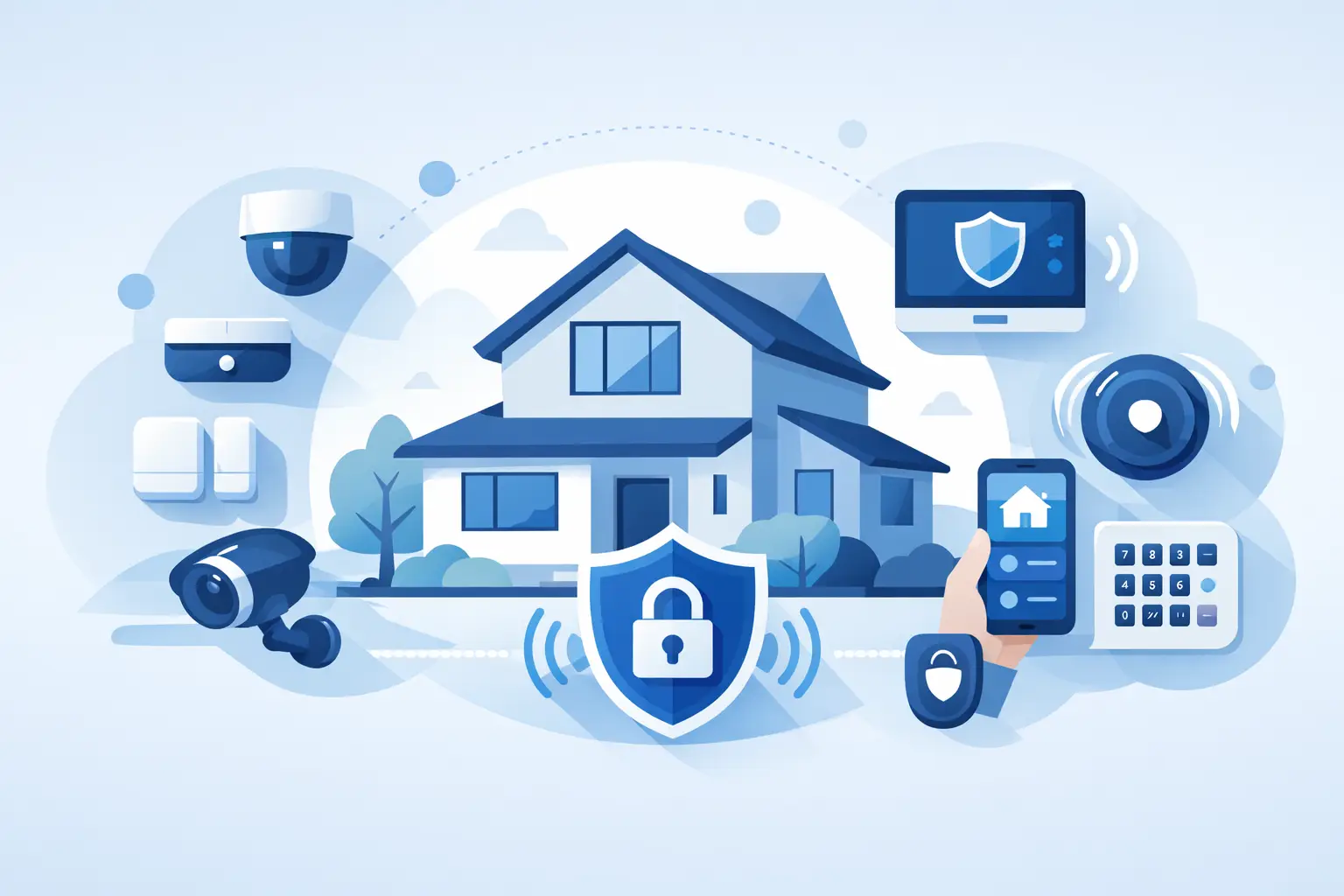
A lot of buyers get stuck comparing brand names when they should be comparing layers of protection. The key parts of a home alarm system each serve a different job.
Door and window sensors are the first line. They alert you when an entry point opens unexpectedly. These are especially valuable on first-floor windows, sliding glass doors, and secondary entrances.
Motion detectors cover interior movement. They are useful in main hallways, living rooms, and areas someone would need to cross after entering. They work best when placed carefully. A poorly placed motion detector can cause headaches with pets, HVAC airflow, or everyday movement.
Glass break sensors listen for the frequency of shattering glass. They are a strong addition in rooms with large windows or patio doors. They can cover an area that basic contact sensors miss, especially if an intruder breaks glass without opening the window in the normal way.
Sirens matter because speed matters. A loud alarm can force attention onto the situation and pressure an intruder to leave before doing more damage. Even simple stand-alone window and door alarms can have value here. Noise is not subtle, and that is the point.
Cameras are not alarms by themselves, but they pair well with alarm systems. They help verify what is happening, record activity, and give you visual information before you decide what to do next. Hidden cameras may appeal to homeowners who want discreet monitoring in specific areas, while visible cameras and dummy cameras can add a deterrent effect.
Panic buttons, safety lights, and portable self-defense tools can also support a broader home security plan. If someone is serious about protection, it makes sense to think beyond the wall-mounted keypad and consider what happens before, during, and after an alert.
The right choice depends on your layout, lifestyle, and risk tolerance.
If you rent an apartment, a wireless system or stand-alone alarms may be the smartest route. You probably want something easy to install, easy to remove, and strong enough to secure doors, accessible windows, and common entry points without drilling into the property. Apartment dwellers often benefit from a focused setup rather than an oversized package.
If you own a house with multiple entry points, you may need more layers. Front and back doors, garage access, basement windows, and sliding doors all create opportunities. In that case, combining contact sensors, motion detectors, a loud siren, and at least one camera often gives better coverage than relying on a single device type.
If you travel often or spend long hours away from home, professional monitoring may be worth the monthly fee. If you are home frequently, comfortable with apps, and want to avoid recurring costs, self-monitoring can work well.
If budget is your biggest concern, do not assume you have to wait until you can afford a full-scale system. Start where the risk is highest. A vulnerable back door, first-floor windows, or a detached garage can often be secured with affordable alarms and visible deterrents. Elite Warrior Defense serves customers who want practical protection without overspending, and that approach makes sense. Security does not need to be flashy to be effective.
One of the biggest mistakes is overbuying features and underprotecting real entry points. A fancy app means very little if the ground-floor windows are left uncovered.
Another mistake is ignoring daily usability. If arming the system is annoying, people stop doing it. If false alarms happen too often, people start disabling sensors. The strongest setup is one that fits naturally into your routine.
People also forget about maintenance. Wireless sensors need battery checks. Apps need updates. Cameras need clean views. An alarm system is not a one-time decision. It is a piece of equipment that needs occasional attention.
The last mistake is thinking deterrence does not matter. It does. Visible cameras, alarm stickers, motion lights, and even dummy cameras can make a criminal move on to an easier target. Security is not just about catching someone after the fact. It is about making your home harder to choose in the first place.
The best home security plans are layered. That means you do not ask one device to do everything.
A strong layer starts outside with visibility and deterrence. Motion lighting, visible cameras or dummy cameras, and clear signs that your property is protected can shift the odds in your favor.
The next layer is the shell of the home itself. Door alarms, window alarms, reinforced locks, and entry sensors work together here. This is where many break-in attempts can be interrupted fast.
Inside the home, motion detectors, interior cameras, panic tools, and personal defense items add another line of protection. If someone breaches the perimeter, you want warning, time, and options.
That layered mindset also helps you buy more intelligently. You may not need an expensive all-in-one package if a focused combination of alarms, deterrents, and monitoring tools covers your specific risks better.
If you are working with a tight budget, start with stand-alone door and window alarms, a basic camera or dummy camera, and strong exterior lighting. This level is simple, affordable, and much better than having no alert system at all.
In the mid-range, a wireless DIY system with app alerts, multiple sensors, and one or two cameras gives many households the best balance of control and cost. This is often the sweet spot for homeowners and renters who want practical coverage without a contract.
At the higher end, a professionally installed and monitored system can make sense for larger homes, families with demanding schedules, or anyone who wants a stronger support structure behind the system. The ongoing fees are real, but so is the convenience.
Your home security should not leave you guessing. Pick the setup that covers your real weak points, fits your routine, and gives you confidence when the house goes quiet at night.





YOU’RE IN!
Use this code on every order
🎉
Here’s Your Code!
Use it now an on every future order.
YOUR DISCOUNT CODE
We also sent this code to your email for safekeeping.
EXCLUSIVE OFFER
Every order – not just your first!
Unlock Your Discount Instantly
Enter your email below and your personal 15% discount code appears right here – no need to check your inbox.
🔒 We respect your privacy. Unsubscribe anytime.