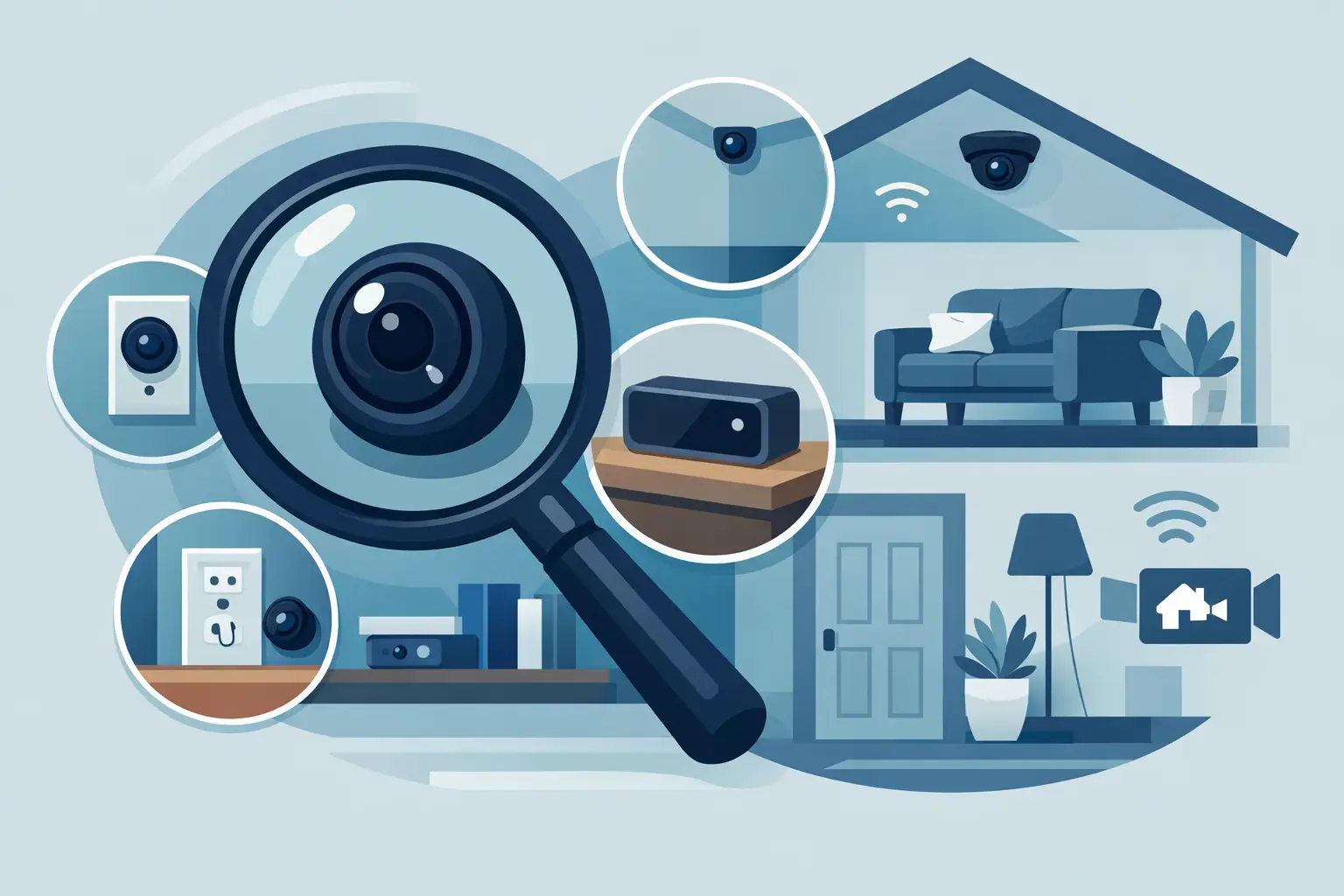
Most people do not think about camera placement until after a package disappears, a stranger tests a side gate, or something feels off inside the house. A strong hidden camera placement guide for home security helps you get ahead of that moment. The goal is not to place cameras everywhere. It is to place them where they give you useful coverage, clear footage, and real peace of mind.
A hidden camera is only as effective as its location. Put it too high and you may miss faces. Put it too low and it may be blocked by furniture, décor, or everyday movement. Put it in the wrong room and you may create privacy issues without gaining real security value. Smart placement is what turns a small device into a serious layer of protection.
What a hidden camera should actually do
Before you pick a shelf, outlet, or corner of the room, decide what you need the camera to capture. Some homeowners want to monitor entry points. Others want to check on deliveries, verify who accessed a room, or keep an eye on valuables when they are away. That purpose matters because the best placement for identifying a face is different from the best placement for monitoring movement through a hallway.
In most homes, hidden cameras work best when they support a broader security plan. They are not a replacement for visible deterrents like door alarms, exterior lighting, or clearly secured locks. They are the quiet backup that gives you evidence, confirms your instincts, and helps you see what happened when you were not there.
Hidden camera placement guide for home entry points
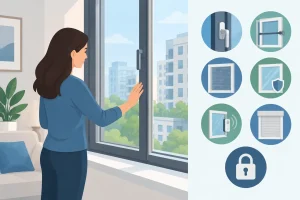
If you only install one or two hidden cameras, start with the places where someone would most likely enter or pass through. Front doors, back doors, garage access doors, first-floor windows near walkways, and main interior hallways usually provide the highest security value.
The front entry is often the first priority. A hidden camera placed in a nearby console table, shelf, or decorative object can capture who approaches the door and whether they linger. The key is angle. You want the lens pointed toward the area where a person naturally pauses, not just toward the door itself.
Back doors matter just as much, and in many homes they matter more. They are less visible to neighbors and often used by intruders looking for a quieter entry. A hidden camera near the kitchen, mudroom, or rear hallway can give you a clear view without drawing attention.
Garage access is another smart placement zone. Many homeowners focus on the exterior garage and forget the interior door that leads into the house. If someone gets into the garage, that inside door becomes the next critical point. A discreet camera aimed at that transition area can be extremely useful.
Best rooms to prioritize inside the home
Living rooms, entry halls, stair landings, and home offices tend to offer the best balance of coverage and practicality. These spaces usually connect multiple routes through the home, which means one well-placed camera can monitor more than one path.
A living room camera can work well if it faces the main entrance or captures movement from a hallway into a larger common area. Keep in mind that larger rooms create more distance between the lens and the subject. If your camera has limited resolution, place it closer to the likely path of travel instead of trying to cover the entire room.
Home offices are a strong choice if you store sensitive documents, electronics, or cash there. The same goes for rooms with safes, firearms storage, or expensive gear. In those cases, your camera does not need a wide field of view. It needs a direct look at the door and the storage area.
Hallways and stair landings are often overlooked, but they are some of the most efficient places to monitor. People moving through the home usually pass through these spaces in a predictable way. That makes it easier to capture a usable image.
Where hidden cameras usually fail
Bad placement is usually the result of trying to hide the camera too well. If the lens is blocked by lamp shades, plants, picture frames, or clutter, the footage may be useless. A camera that cannot see clearly does not help you, no matter how clever the hiding spot looks.
Lighting is another common problem. If a camera points directly toward a bright window, glare and backlighting can wash out the subject. At night, a room with uneven lighting can turn a face into a shadow. Test the camera at the time of day that matters most. Daytime footage can look fine while nighttime footage tells a different story.
Height matters too. Chest to eye level often works better than ceiling height for identification. A high angle may capture movement, but it can miss facial detail. On the other hand, a camera placed too low can be blocked by furniture or pets. You want a natural line of sight to the target area.
Audio can also be inconsistent depending on placement. If the camera is tucked inside a thick cabinet or behind heavy material, the video may be clear while the sound is muffled. If audio matters to your setup, test it in the exact location before you rely on it.
Practical placement tips that make footage better
A good hidden camera placement guide for home protection should always come back to what the camera can realistically capture. Start by walking through your house as if you were a visitor. Where do people stop, turn, or pause? Those are the moments you want to record.
Aim for narrow funnels rather than broad open spaces when possible. Doorways, hall entrances, and stair transitions force movement through a smaller field, which improves your odds of getting a clear shot. Wider views feel comprehensive, but they often produce smaller, less useful images.
Keep the lens clean and unobstructed. It sounds obvious, but dust, fabric, decorative mesh, or tinted material can ruin clarity. The camera should blend in, not fight through a barrier.
Power source matters more than many buyers expect. If your hidden camera relies on battery power, placement should allow easy access for charging or replacement. If it plugs in, the spot needs to make sense without drawing attention to cords. The best placement is one you can maintain without constantly disrupting the setup.
Privacy, legality, and common-sense boundaries
Protecting your home should never come at the expense of basic privacy standards. In most cases, hidden cameras are appropriate in common areas you own and control, especially when the purpose is security. Bedrooms, bathrooms, and private guest spaces are different and should generally be avoided.
Laws can vary by state, especially when audio recording is involved. Homeowners should understand the rules that apply in their area before recording conversations. The safest approach is to use hidden cameras for clear security purposes in shared or transitional spaces and to avoid placement that could be seen as invasive.
If you have house cleaners, babysitters, pet sitters, contractors, or short-term guests, be thoughtful and lawful. Security should be firm, not reckless. The right setup protects your home while respecting reasonable boundaries.
Combining hidden cameras with other home security tools
Hidden cameras are strongest when they work with other layers. A visible dummy camera at the exterior, a door alarm at a vulnerable entry point, and a hidden camera inside can create both deterrence and documentation. One discourages the threat. The other records what happened if someone ignores the warning.
That is why many homeowners build security in stages. They start with the most exposed points, fix blind spots, and add discreet monitoring where it counts. If you are looking for practical options, Elite Warrior Defense offers hidden cameras and other home security tools designed to help everyday people protect what matters without overspending.
A room-by-room mindset works best
The smartest way to place hidden cameras is not to ask, where can I hide this device? Ask, what problem am I solving in this room? In an entryway, you want identification. In a hallway, you want movement tracking. In a home office, you want evidence tied to access and valuables.
That shift in thinking makes your setup stronger right away. It keeps you focused on angles, lighting, and likely activity instead of gimmicky hiding spots that look clever but deliver poor footage. Security works best when it is intentional.
Your home does not need more gadgets placed at random. It needs coverage that makes sense, respects privacy, and gives you confidence when something does not feel right. Start with the paths people actually use, test your angles, and let each camera earn its place.