
A camera that misses the moment you needed most is not security – it is false confidence. That is why a hidden surveillance devices buying guide matters before you spend a dollar. The right device can help you monitor entry points, check on deliveries, watch over a vacant room, or document suspicious activity without drawing attention. The wrong one can leave you with blurry footage, dead batteries, or a setup that does not fit your space.
Most buyers do not need the most expensive option. They need the right fit for the real problem they are trying to solve. If your concern is porch theft, you need a different setup than someone monitoring a home office, a rental property, or an elderly parent’s room. Hidden surveillance works best when you match the device to the environment, lighting, power source, and the level of detail you actually need.
Start with your goal, not the gadget. Ask yourself what you want proof of, where the activity happens, and how often you will need to review footage. Some people want live viewing from a phone. Others simply want motion-triggered recording they can check later. Those are two very different buying paths.
You should also decide whether visibility or concealment gives you the advantage. A visible security camera can deter bad behavior. A hidden device can capture it naturally. Neither is automatically better. It depends on whether your priority is prevention or documentation.
Video quality is usually the first thing buyers look at, and for good reason. If footage is too grainy to identify a face, package, or license plate, the device may not do its job. For most indoor home monitoring, 1080p is a practical baseline. Higher resolution can help, but it also uses more storage and may shorten battery life in some models.
Field of view matters just as much as resolution. A narrow lens may give you better detail in one direction, but it can miss movement just outside the frame. A wider angle covers more space, though objects may appear smaller. If you are watching a doorway, a focused view might be ideal. If you are monitoring a room, wider coverage is usually more useful.
Low-light performance is another factor buyers often overlook until after setup. Many incidents happen at night or in dim indoor areas. Some hidden cameras handle low light well, while others produce shadowy, low-value footage. If the room is not consistently bright, pay close attention to nighttime performance.
Audio can be helpful, but it comes with legal sensitivity depending on your state and situation. Even when a device includes audio recording, that does not automatically mean you should use it. Always check local, state, and federal laws before recording conversations.
Battery-powered hidden surveillance devices are easier to place and easier to conceal. They are especially useful in areas where outlets are limited or where a visible wire would defeat the purpose. The trade-off is maintenance. Battery life varies widely depending on motion detection, recording length, and whether the device connects to Wi-Fi.
Plug-in models offer more consistent operation for long-term monitoring. If you need ongoing coverage in a stable location, they are often the better value. The downside is placement. You may need to work around outlet access, and poor cable concealment can make the device more noticeable.
There is no universal winner here. For short-term use or flexible placement, battery power makes sense. For dependable daily operation, plug-in power is often the stronger choice.
Some devices record to a microSD card, while others rely on cloud storage. Local storage can save money over time and keep your recordings in your control. But if the device is discovered or taken, you may lose the footage with it.
Cloud storage can protect recordings from being lost with the unit itself, and it often makes remote access easier. The trade-off is ongoing subscription cost and dependence on a stable internet connection. For many homeowners, a device that supports both local and cloud storage offers the best balance.
Before buying, check how footage is accessed. A good app experience matters more than many people expect. If the app is unreliable, hard to navigate, or slow to load alerts, even a solid camera can become frustrating fast.
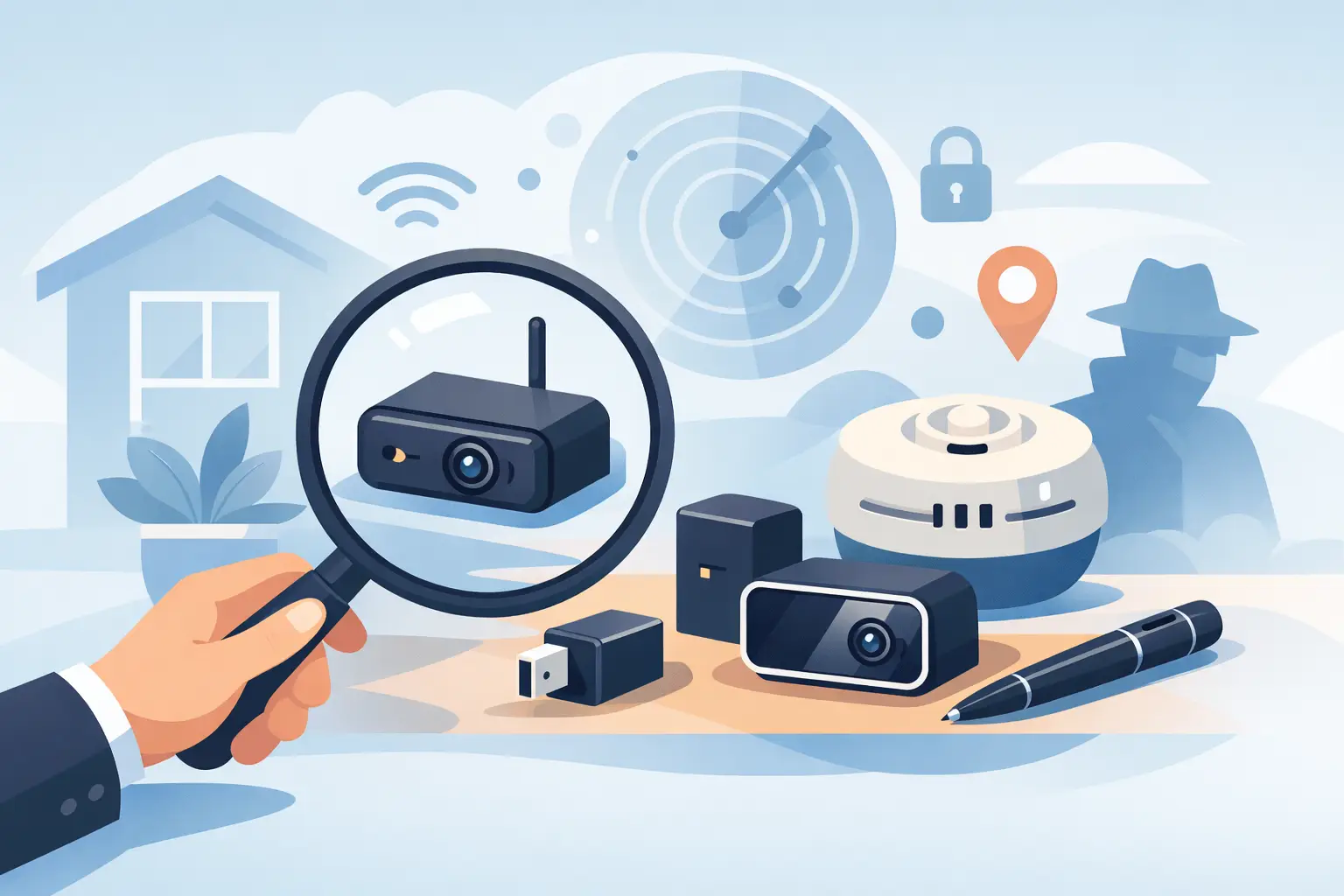
For indoor room monitoring, compact cameras disguised as everyday objects are often the most practical. They blend in naturally and can provide a stable view of a target area like a doorway, desk, or living room.
For office or small business concerns, a discreet device with motion detection and remote viewing may be the better choice. In these cases, fast alert delivery matters because you may need to respond in real time.
For temporary monitoring, portable units are useful because they can be repositioned as your concern changes. If you are only trying to gather information for a short window, flexibility may matter more than advanced features.
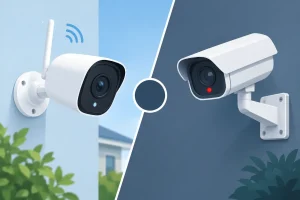
If your main concern is theft deterrence rather than covert evidence, a hidden device may not be your only answer. Sometimes pairing discreet monitoring with visible alarms or dummy cameras creates a stronger overall security posture.
The best device will still underperform if you place it poorly. Height, angle, lighting, and traffic patterns all affect the footage you get. A camera aimed directly at a bright window may struggle with exposure. One tucked too deep into a shelf may miss motion or record only partial views.
Think about where a person naturally pauses. Entryways, hallways, package drop spots, and shared rooms often produce more useful footage than wide empty areas. Try to capture faces, not just movement. Test the setup before relying on it.
Concealment should look natural, not forced. If a device seems oddly positioned or out of place, it may draw attention. Good hidden surveillance works because it blends into the normal environment.
A hidden surveillance devices buying guide would be incomplete without addressing the legal side. Laws vary, especially around audio recording and where people have a reasonable expectation of privacy. Bathrooms, changing areas, and private guest spaces are obvious no-go zones. That line should never be crossed.
If you are using surveillance in a home, rental, or business setting, make sure you understand the rules that apply in your state. Security should protect you, not create legal problems. When in doubt, get legal guidance before installing any recording device.
There is also an ethical side. Hidden surveillance should be used to protect people, property, and peace of mind – not to invade privacy. Keeping that purpose clear helps you choose smarter and act responsibly.
Be cautious with devices that promise everything at a bargain-basement price. Hidden cameras are often sold with inflated claims about battery life, video quality, or detection range. If the specs sound too good for the size and price, they probably are.
Watch for unclear app requirements, vague storage details, and missing information about resolution at night. A product page should tell you how the device records, how it is powered, and what limitations to expect. If those basics are hard to find, that is a warning sign.
You should also think beyond the device itself. A low-cost camera that requires expensive subscriptions or frequent battery replacement may not be the budget-friendly choice it first appears to be.
Value is not about buying the cheapest option. It is about choosing a device that reliably handles your most important job. If your concern is occasional indoor monitoring, you may not need premium features. If you are protecting a vulnerable area or need consistent evidence, spending more on better image quality, dependable alerts, and stable power can be worth it.
This is where a security-focused retailer can make a difference. A company like Elite Warrior Defense appeals to buyers who want practical protection tools without paying for features they will never use. That matters when you are building a broader home security plan and want every dollar to work hard.
Confidence comes from being prepared, not from buying the flashiest device on the page. Choose hidden surveillance that fits your space, your goals, and your comfort level with setup and monitoring. When your security tools match your real-world needs, you are not just buying equipment – you are taking control of your environment and protecting what matters most.




YOU’RE IN!
Use this code on every order
🎉
Here’s Your Code!
Use it now an on every future order.
YOUR DISCOUNT CODE
We also sent this code to your email for safekeeping.
EXCLUSIVE OFFER
Every order – not just your first!
Unlock Your Discount Instantly
Enter your email below and your personal 15% discount code appears right here – no need to check your inbox.
🔒 We respect your privacy. Unsubscribe anytime.