Home security systems have rapidly evolved from simple alarms to sophisticated networks capable of securing every corner of a home. But one question many homeowners still ask is: how are home security systems wired? Understanding the wiring process opens the door to a deeper appreciation of your home’s defenses and empowers you to make informed decisions about your security setup.
Breaking Down Home Security System Wiring
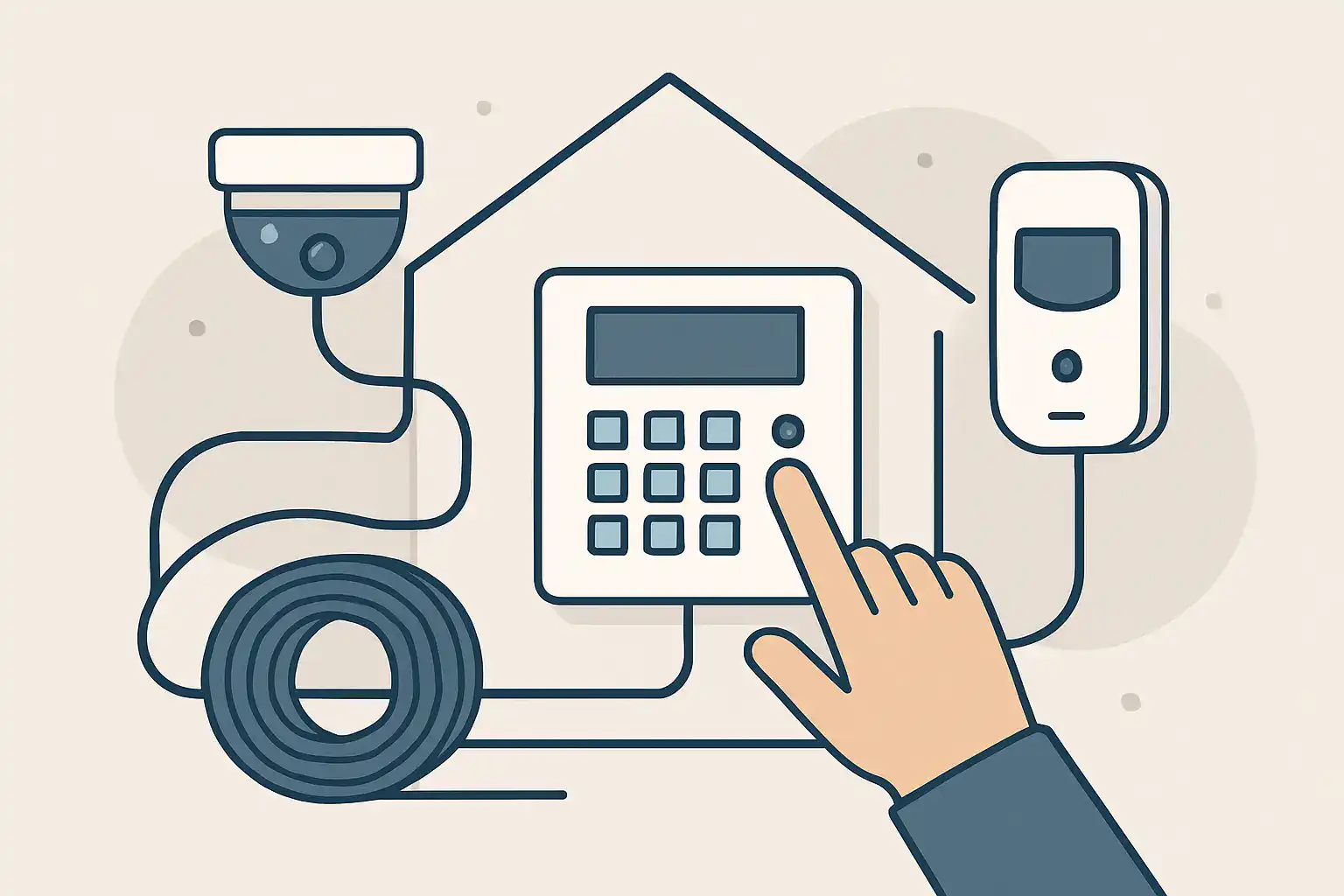
A well-wired security system is the backbone of a safe home, providing seamless communication between components such as sensors, alarms, and control panels. Here’s what you need to know about how these systems come together:
1. Historical Perspective
Historically, wired security systems were the standard, relying on analog infrastructures. Hardwiring involved connecting devices physically to a central control panel through a network of concealed wires. This provided reliable communication and power supply, though it limited flexibility in installation.
2. Modern Wired Systems
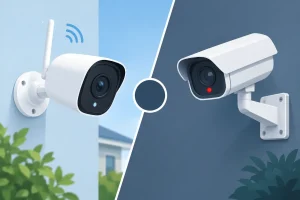
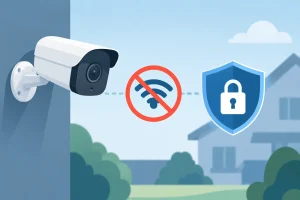
Despite the rise of wireless technology, wired systems still offer unmatched reliability and are less prone to hacking or interference. The systems today often blend wired and wireless components, capitalizing on smart technologies while maintaining the robust nature of hardwired connections.
The Components of a Wired Home Security System
A wired security system consists of key components that ensure comprehensive coverage:
Control Panel
The brain of the system, the control panel, is typically hardwired into the electrical system of your home. It manages signals from sensors and detectors, sending alerts when it deems necessary.
Sensors
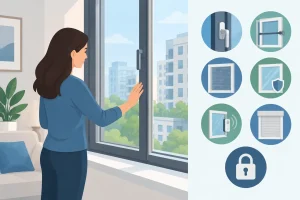
These devices detect movement, opening of doors/windows, or other breach indicators. They are wired directly into the system, ensuring immediate transmission to the control panel without relying on battery power.
Alarms
Alarms are strategically placed to maximize sound dispersion upon activation. The wiring ensures an uninterrupted connection, pivotal for triggering loud deterrents and alerting residents and neighbors alike.
Cameras
While generally considered part of a separate CCTV system, cameras can be integrated into a wired home security system. Wiring these ensures constant connectivity and higher data throughput for better image quality.
Installing a Wired Home Security System
Installation of a wired system can be intricate, demanding both technical expertise and a thorough understanding of home construction:
Planning Stage
Begin by assessing your home layout and identifying key entry points. Engage professional assistance to draft a plan that considers potential vulnerabilities and wiring paths.
Choosing the Right Equipment
Opt for equipment that suits your specific security needs. Consider factors such as sensor range, camera resolution, and control panel features.
Wiring Process
– Conduit Installation: Steel or PVC conduits protect the wiring from physical damage. They’re typically hidden behind walls or under floors.
– Wiring Pathways: Advanced planning is crucial to minimize visibility. Wires should be run through walls, ceilings, and baseboards to reach every sensor and camera discretely.
– Connection to Power Supply: Each component needs a reliable power supply. Connecting to the home’s main power eliminates the dependency on external battery packs, although batteries may still be used as a backup.
The Trade-Offs
Understanding the trade-offs is critical in determining whether a wired system fits your situation:
Pros
– Reliability: Consistent and uninterruptable once installed.
– Security: Harder to hack than wireless counterparts.
– Constant Power: Eliminates the need for frequent battery replacements.
Cons
– Installation Complexity: Requires professional installation, especially in existing homes.
– Less Flexibility: Changes or additions can be costly and time-consuming.
– Initial Cost: Typically higher than wireless systems due to labor and infrastructure needs.
Integrating Wired and Wireless Technologies
More homeowners are opting for hybrid systems, combining the benefits of wired and wireless technologies. Here’s why:
Flexibility: Wireless devices can be easily added to enhance coverage in hard-to-wire areas.
Scalability: Start with a wired foundation and add wireless components as needed.
Smart Integrations: Leverage smart home capabilities, enabling remote monitoring and control via connected devices.
Maintaining a Wired Home Security System
Regular maintenance of your wired security system ensures peak performance:
Scheduled Inspections
Engage professionals to periodically check connections, sensors, and the control panel systems.
Software Updates
Although primarily physical, systems may have software components for control panels or smart integrations. Keep these updated to protect against vulnerabilities.
Professional Support
Rely on professional services for troubleshooting and repairs, ensuring your system remains unbreachable.
Innovations in Home Security Wiring
The future of home security wiring is innovative, with trends leaning towards:
Eco-Friendly Solutions: Solar-powered sensors and cameras reduce dependency on grid power while maintaining robust security.
Advanced Cabling: Fiber optic technology for higher data rates and less electromagnetic interference.
For more insights or to explore security solutions tailored to your needs, visit Elite Warrior Defense.
Final Thoughts
Investing in a wired home security system is about creating a robust line of defense that offers peace of mind. By understanding how these systems are wired, you not only protect your home but empower yourself with the knowledge to navigate the ever-evolving landscape of home security confidently.