Defining Self Defense and Self Protection
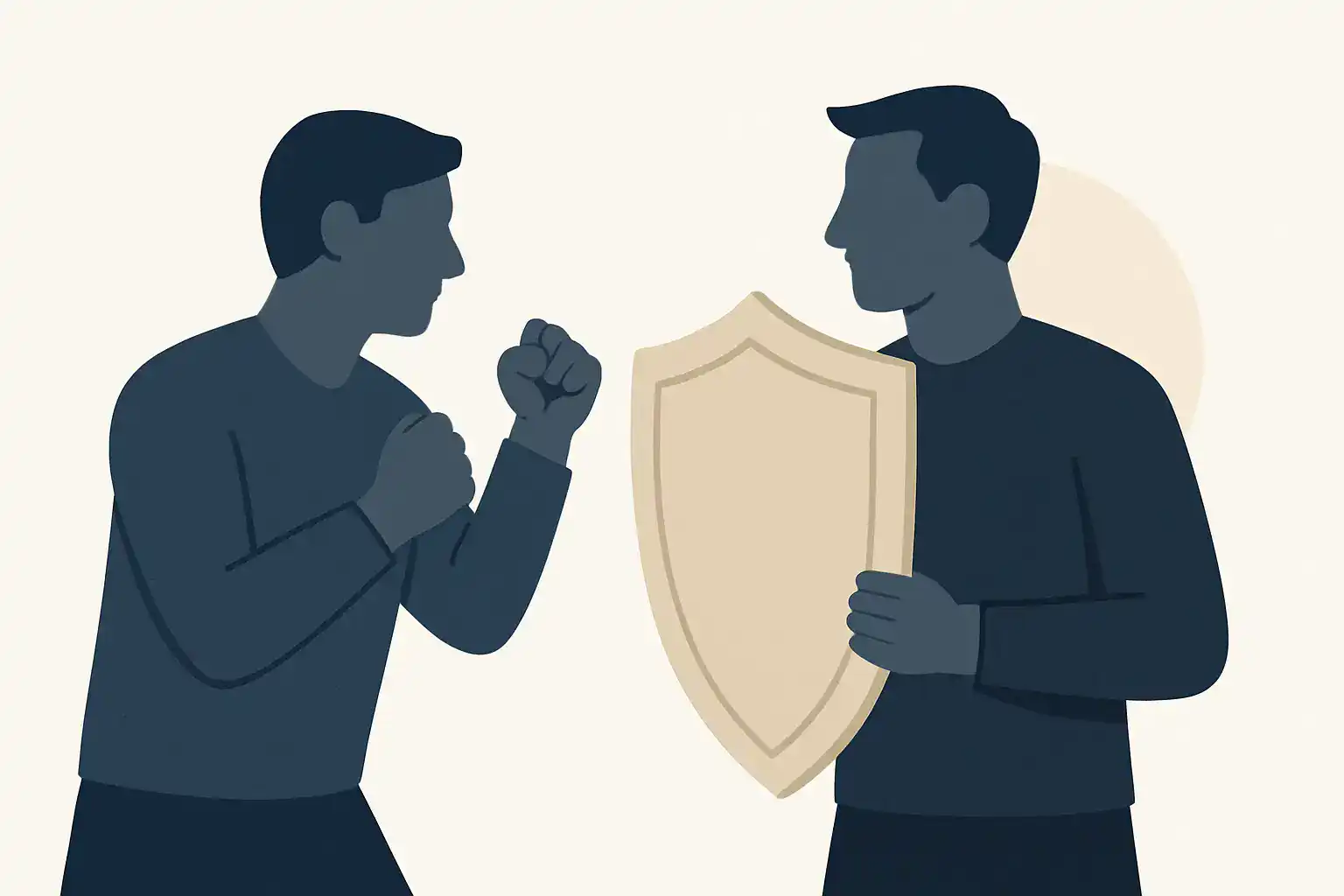
When faced with potential threats, understanding the distinction between self defense and self protection becomes crucial. Although often used interchangeably, these terms encompass significantly different concepts.
Self Defense involves reactive measures. It is the act of physically defending oneself during an immediate threat or attack. It covers techniques and tools aimed at neutralizing an assailant, often through physical confrontation. For instance, employing techniques such as martial arts or using self-defense tools like pepper spray or stun guns.
Self Protection, however, is a broader concept that encompasses proactive and preventative measures taken to avoid potentially dangerous situations altogether. This strategic approach involves assessing risks, enhancing situational awareness, and employing tactics that minimize the likelihood of needing to resort to physical defense.
Understanding the intricate dance between self defense and self protection provides insight into how individuals can assert greater control over their personal safety.
Why the Difference Matters
Grasping these distinctions is not merely academic; it fundamentally impacts real-world safety. Here’s why:
- Proactivity vs. Reactivity: Self-protection emphasizes foresight and preparation. By cultivating awareness and preparation strategies in advance, individuals can often mitigate or completely avoid threats. In contrast, self defense requires invoking immediate reactions during a threat when proactive measures have already failed.
- Skill Development: Self defense often involves the acquisition of physical skills, ranging from martial arts techniques to the effective deployment of various defensive gadgets. Self protection emphasizes mental and emotional skills, fostering a mindset geared toward risk assessment and situational avoidance.
- Legal Implications: The aftermath of physical confrontations can sometimes lead to legal complications. Learning how to protect oneself without resorting to force is not only potentially safer but also may reduce the risk of legal repercussions.
Integrating Tools and Techniques
To blend self defense with self protection effectively, individuals must consider the available tools and techniques that complement both approaches.
#### Self Defense Tools
- Pepper Spray: A non-lethal solution designed to incapacitate an attacker temporarily. Ideal for providing a window to escape.
- Stun Guns: Offering electric shock capabilities, they are effective close-range tools for momentarily subduing an attacker.
- Tactical Pens: These serve dual purposes as both writing instruments and self-defense tools, typically having a pointed end for breaking glass or self-defense.
Explore these items at Elite Warrior Defense
#### Self Protection Techniques
- Situational Awareness: Always being aware of your surroundings, noting potential threats, and understanding the environment you are in.
- Defensive Driving: Not only applicable when driving but also in walking environments. It involves preparative strategies to avoid hazards on the road or foot.
- Safety Planning: Involves creating and knowing retreat routes and safe zones in daily routines or living spaces.
Personal Empowerment and Mindset
Central to the implementation of both self defense and self protection strategies is the empowerment mindset. Feeling empowered originates from confidence in one’s ability to navigate threats and requires:
- Training and Practice: Regular practice of self-defense techniques ensures readiness and increases confidence. Joining self-defense classes or participating in regular drills can enhance reaction times and execution proficiency.
- Education and Continual Learning: Understanding the psychology of an attack can be as crucial as knowing how to physically defend oneself. Continuous education on trends in personal safety keeps one ahead of potential threats.
- Psychological Preparedness: Mental resilience in handling adrenaline and emotional spikes during threatening encounters contributes to effective decision-making.
The Role of Technology
Modern technology acts as a double-edged sword in the realm of personal safety, providing both potential risk areas and advanced safety solutions.
- Smartphone Apps: Empower users to alert authorities or loved ones with real-time locations and notifications during threatening situations.
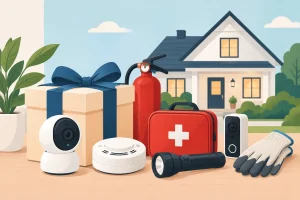
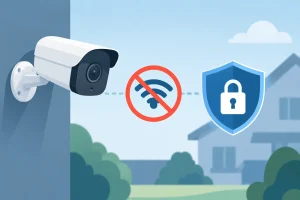
- Home Security Systems: Increasingly affordable systems provide comprehensive coverage, reducing risks while increasing dwellings’ safety parameters.
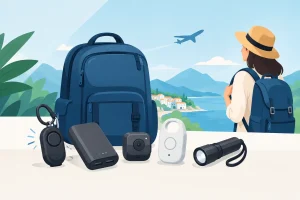
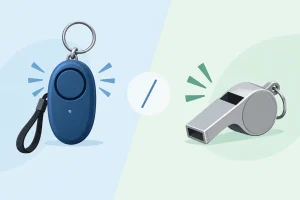
- Personal Alarms: Portable and user-friendly, these devices emit loud noises to deter attackers and draw attention to compromising situations.
Building Cultural and Social Awareness
Understanding how cultural and social environments influence personal safety perceptions is vital. Becoming sensitive to local customs and environments aids better situational awareness and enhances self-protection strategies.
Incorporating Self Defense Into Daily Routine
- Routine and Habit Development: Integrate simple self-defense practices into daily routines such as regular physical exercises aimed at improving agility and reflexes.
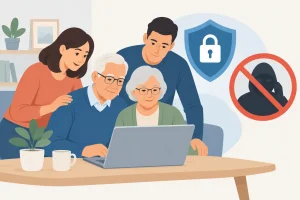
- Family and Community Involvement: Encouraging community training sessions brings collective awareness, offering additional layers of local protection.
Next Steps for Enhanced Safety
Finding an approach to safety that balances self-defense readiness with proactive self-protection methods can significantly enhance one’s personal security. Consider the following:
- Conduct a Personal Safety Audit: Regular assessments of daily routines and potential threat exposures are crucial.
- Engage in Local Safety Workshops: Participating in local workshops helps gain hands-on experience and fosters community vigilance.
- Regular Equipment Checks: Ensure any defensive tools, whether kept at home or carried, are always in working condition and within reach.
Balancing knowledge with physical preparedness ensures not only a reactive capacity but also a reduced likelihood of encountering threats altogether. This blend of approaches forms the foundation for a secure and empowered lifestyle, as individuals take control of their personal safety, reinforced by the right mindset and tools.