
Parents need peace of mind when leaving children with caregivers. Learning how to hide a nanny cam properly protects your family while respecting legal boundaries.
We at Elite Warrior Defense LLC understand the importance of discreet home monitoring. Strategic camera placement and proper installation techniques make all the difference in effective surveillance.
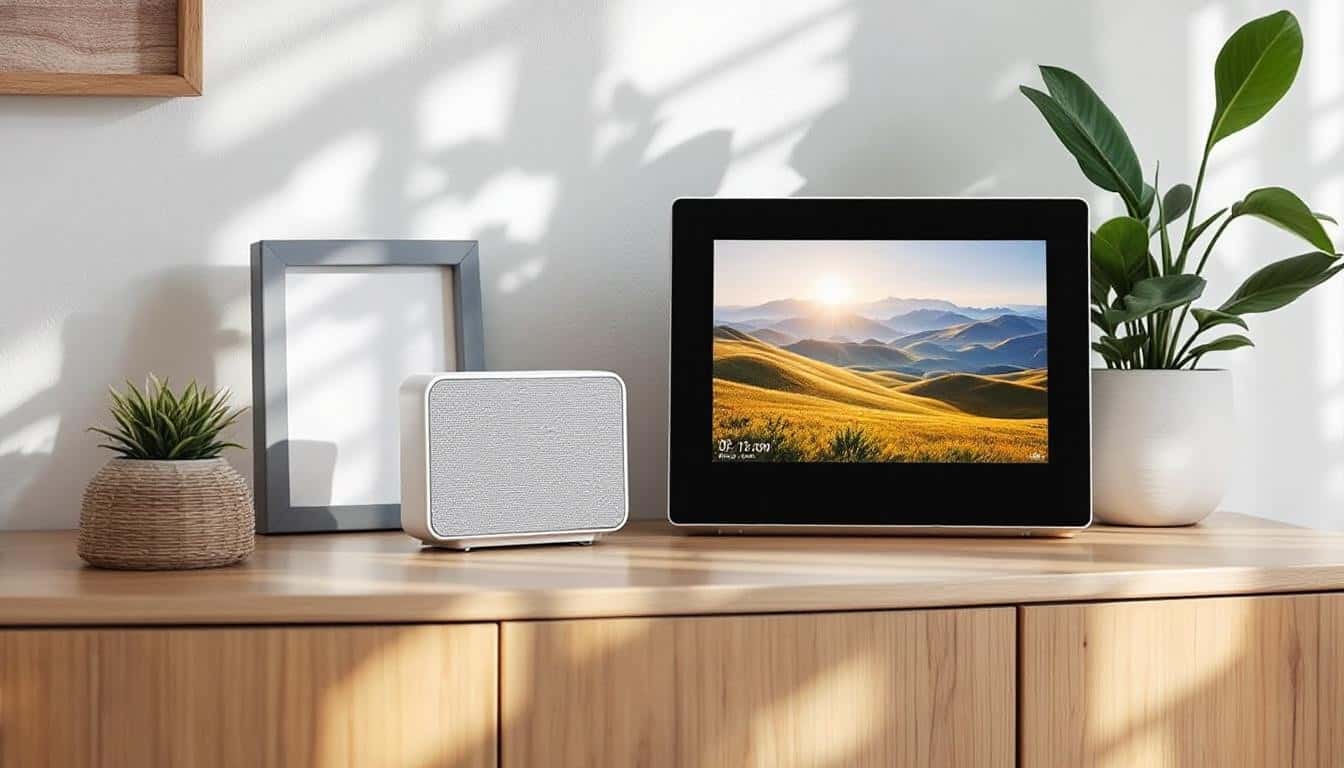
The living room provides the best coverage for nanny cam placement since families spend significant time there during household activities. Place cameras inside decorative picture frames on shelves or entertainment centers for optimal angles. Smoke detectors work exceptionally well as camera housings because they blend seamlessly into any room while they provide elevated perspectives.

Clock radios and tissue box covers rank among the most effective disguises since caregivers rarely examine these objects closely.
Focus camera placement in high-traffic areas where interactions naturally occur. The kitchen captures meal preparation and snack times, while playrooms monitor active supervision periods. Place one camera near the main entrance to record arrivals and departures of caregivers. Avoid bedrooms and bathrooms completely as recording in these areas is legal in all 50 states for homeowners. Skip closets and storage areas since they provide limited visibility of caregiver interactions. Install cameras at child eye level rather than ceiling height to capture facial expressions and verbal communication more effectively.
Place cameras at ground-floor doors, windows, main stairs, and driveway areas for optimal security coverage. Test each location during different lighting conditions since natural light changes throughout the day affect recording quality. Place cameras to avoid direct sunlight and reflective surfaces that create glare issues. Check Wi-Fi signal strength at each potential location since weak connections cause recording gaps and poor video quality.
Everyday items make the most effective camera disguises because they appear natural in any home environment. Picture frames work particularly well when you position them on bookshelves or mantels (they provide stable mounting while maintaining clear sight lines). Decorative plants offer excellent camouflage for small wireless cameras, especially when you place them in corners with good room coverage. Tissue boxes and small appliances like coffee makers blend into kitchen and living spaces without raising suspicion. Consider hidden safes that double as camera housings for added security.
Once you select the perfect locations and disguises for your cameras, the technical setup becomes your next priority. Remember to research the legal implications of home monitoring before installation.
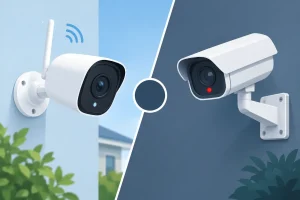
Wireless nanny cameras dominate the market because they eliminate complex wiring and provide flexible placement options. Choose cameras with at least 1080p resolution since lower quality footage becomes useless when you need to identify faces or read expressions clearly. Motion detection with smartphone alerts ranks as the most valuable feature because it notifies you immediately when activity occurs rather than forces you to review hours of footage. Night vision capabilities prove essential since many incidents happen during evening hours or in dimly lit rooms.

Audio recording adds significant value but requires careful attention to your state’s consent laws (some states prohibit audio surveillance without notification).
Mini wireless cameras that measure under 2 inches work best for concealment inside household objects like picture frames or decorative items. Battery-powered models offer maximum flexibility but require recharge every 3-7 days depending on usage patterns. AC-powered cameras provide continuous operation but limit placement to areas near electrical outlets. Cloud storage costs typically range from $3-10 monthly per camera while local storage through SD cards eliminates ongoing fees. Two-way audio features allow real-time communication with children but may alert caregivers to camera presence.
Test recording quality during different times of day since lighting conditions dramatically affect video clarity. Position cameras 6-8 feet from target areas to capture clear facial details without appearing too obvious. Check Wi-Fi signal strength with your smartphone at each camera location since weak signals cause recording delays and missed footage. Record sample videos for 24 hours to identify any blind spots or angle adjustments needed before you finalize installation. Verify motion detection sensitivity by walking through the monitored area at different speeds to prevent false alerts from pets or moving shadows.
Battery life varies significantly between camera models and usage patterns. Continuous recording drains batteries faster than motion-activated recording modes. Consider cameras with rechargeable lithium batteries that last 5-7 days with moderate use. SD card storage eliminates monthly fees but requires manual file management (cards fill up quickly with continuous recording). Cloud storage provides automatic backup but creates ongoing costs that add up over time.
Understanding these technical requirements prepares you for the legal considerations that govern nanny cam installation and operation in your home.
Home recording laws differ significantly from public surveillance regulations, with homeowners possessing broad authority over interior monitoring. The key distinction separates video-only recording from audio capture, where federal wiretapping laws create stricter requirements for sound recording than visual surveillance. Most states follow one-party consent rules for audio recording, which means at least one person in the conversation must know about the recording. However, California, Florida, Illinois, Maryland, Massachusetts, Montana, New Hampshire, Pennsylvania, and Washington require all-party consent for audio surveillance.
Federal law prohibits the interception of oral communications without proper consent, which makes audio recording the most legally complex aspect of nanny cam operation. States with two-party consent laws impose criminal penalties for unauthorized audio recording. You should disable audio recording features entirely if you live in a two-party consent state and plan to record without caregiver notification. Video-only surveillance remains legal in all states when you conduct it inside your own home, which provides a safer legal option for parents who want monitoring without complex notification requirements.
Direct notification about camera presence eliminates most legal risks while it still provides effective child monitoring capabilities. You can place visible signs near entry points that state video recording occurs throughout the home, which creates clear awareness without revealing specific camera locations. Include camera disclosure clauses in caregiver contracts or employment agreements to establish written consent for monitoring activities. Some parents choose partial disclosure by mentioning general security cameras without specifying nanny cam locations (though complete transparency builds better working relationships with caregivers).

You should store recorded footage on encrypted devices or secure cloud platforms that require multi-factor authentication for access. Delete recordings after 30-60 days unless specific incidents require longer retention for documentation purposes. Limit access to footage strictly to household members who need monitoring information, and avoid sharing with extended family or friends who lack legitimate security interests. Password-protect all recording devices and change default manufacturer passwords immediately after installation to prevent unauthorized access to your surveillance system.
Hidden nanny cameras provide parents with invaluable peace of mind while they maintain natural home environments. When you master how to hide a nanny cam effectively, you gain continuous monitoring capabilities without disruption to caregiver relationships or compromise to your home’s aesthetic appeal. Strategic placement in high-traffic areas with everyday object disguises like picture frames, tissue boxes, and decorative plants creates the most successful installations.
Wireless cameras with motion detection and smartphone alerts deliver immediate notifications when activity occurs, while 1080p resolution provides clear footage for identification of faces and expressions. Legal compliance remains paramount throughout the installation process (video-only recording eliminates complex consent requirements that audio surveillance creates). Direct caregiver notification builds trust while it maintains effective monitoring capabilities.
We at Elite Warrior Defense LLC understand that comprehensive home security extends beyond nanny cameras to include multiple protection layers. Our complete security solutions work together to safeguard your family through various protection methods. Hidden nanny cameras represent just one component of effective home security systems that provide parents with the monitoring capabilities needed to protect children while they maintain household harmony.





YOU’RE IN!
Use this code on every order
🎉
Here’s Your Code!
Use it now an on every future order.
YOUR DISCOUNT CODE
We also sent this code to your email for safekeeping.
EXCLUSIVE OFFER
Every order – not just your first!
Unlock Your Discount Instantly
Enter your email below and your personal 15% discount code appears right here – no need to check your inbox.
🔒 We respect your privacy. Unsubscribe anytime.