
College students face unique safety challenges that require practical protection solutions. Campus safety statistics show that 13% of undergraduate women experience assault during their college years.
We at Elite Warrior Defense LLC understand that the right personal safety devices can make the difference between vulnerability and confidence. Smart preparation helps students focus on their education while staying protected.
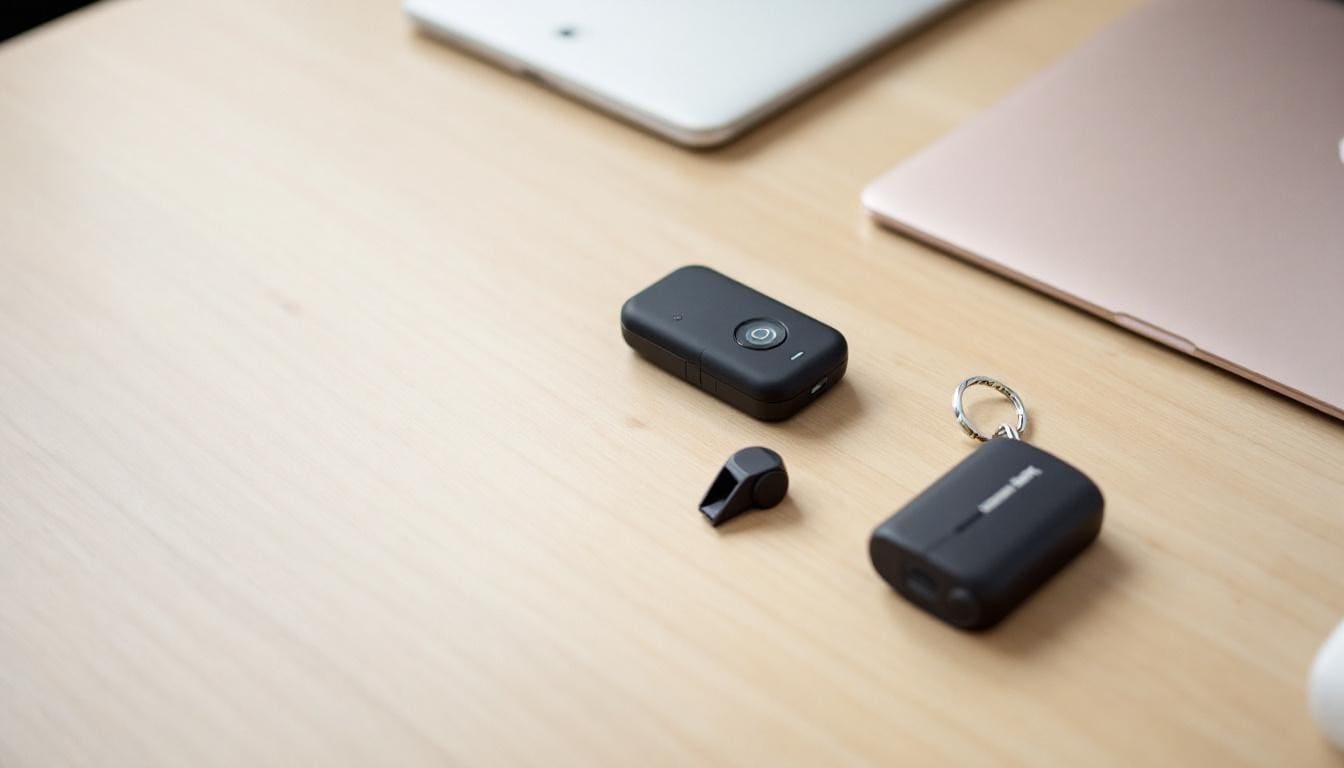
Personal alarms serve as the most effective first line of defense for college students. SABRE personal alarms reach sound levels up to 130 decibels and can be heard up to 1,800 feet, which creates powerful deterrents that draw immediate attention. These compact devices attach easily to backpacks, keychains, or clothes and allow instant activation during emergencies. The piercing sound often startles attackers and alerts nearby students or campus security.

Physical alarms work reliably without battery concerns about smartphone apps, and many models include LED strobe lights for additional visibility during nighttime situations.
Pepper spray remains the gold standard for non-lethal self-defense among college women. SABRE pepper sprays use Maximum Strength Formula with HPLC laboratory tests to guarantee effectiveness (trusted by police departments nationwide). The compact keychain versions fit perfectly in small purses or pockets, while runner-friendly models attach securely to hands during late-night jogs across campus. Students should verify campus policies before they purchase, as some universities restrict certain spray types in dormitories. Proper training on spray patterns and wind direction prevents accidental self-contamination during high-stress situations.
Tactical pens offer the perfect balance of discretion and functionality for students who need subtle protection tools. These pens double as impact weapons and glass breakers, which makes them legal on virtually every campus while they serve practical daily purposes. The aircraft-grade aluminum construction withstands significant force, and the pointed tip can target pressure points effectively during close encounters. Students appreciate that tactical pens blend seamlessly into study materials and avoid the stigma sometimes associated with obvious self-defense tools.
Campus environments present specific challenges that require targeted safety strategies beyond basic personal protection devices.
Residence halls create false security that puts students at risk during their most vulnerable moments. The National Center for Education Statistics reports that on-campus criminal incidents include thousands of burglaries and other offenses annually, with propped doors and unauthorized entry accounting for most security breaches. Door alarms provide immediate alerts when someone enters your room without permission, while door stop alarms wedge under doors to prevent forced entry during sleep hours.
Students should position personal alarms within arm’s reach of their beds and test them monthly to verify battery levels. Room-sharing situations require clear safety protocols with roommates about visitor policies and emergency response procedures. Many students underestimate how quickly situations can escalate in shared living spaces.
Late-night study sessions expose students to significant safety risks that campus security often overlooks. Research shows that students generally report feeling secure during late-night library hours, though security considerations remain important. Tactical pens serve dual purposes during these sessions, functioning as writing tools while providing discreet protection during walks to parking areas or dormitories.
Students should choose study locations near emergency phones and well-lit pathways, avoiding isolated floors or sections where help cannot arrive quickly. Personal alarms work effectively in library environments because the sound carries through multiple floors and alerts security personnel immediately.

Walking between classes and parking areas represents the highest-risk activity for college students. Morning and evening commutes through poorly lit pathways create prime opportunities for attackers who target predictable student routines.
Pepper spray offers the most effective protection during these vulnerable moments, with compact keychain models allowing quick deployment while carrying books or backpacks. Students should vary their walking routes and timing to avoid establishing patterns that potential attackers can exploit (especially during evening hours when visibility decreases).
The effectiveness of any safety device depends heavily on selecting the right tool that matches your specific campus lifestyle and legal requirements.
Personal safety device selection requires you to match specific features to your daily campus routine and legal environment. Size becomes the primary factor since students carry devices through metal detectors, security checkpoints, and crowded lecture halls multiple times daily.
Personal alarms under 3 inches fit seamlessly into pockets or attach to keychains without bulk. Pepper spray keychains under 0.5 ounces meet most campus weight restrictions. Tactical pens offer the smallest profile at standard pen dimensions, which makes them completely invisible among school supplies.
Students who walk long distances between classes need lightweight options that won’t add strain to heavy backpacks. Compact devices also reduce the risk of accidental activation during normal daily activities.
University policies vary dramatically between institutions. Some allow pepper spray in dormitories while others ban all aerosol products completely. Students must research specific regulations before they purchase any device, as violations can result in disciplinary action or expulsion.
State laws also create complications. New York has legislation addressing self-defense spray devices, removing restrictions on sales and allowing shipping within the state. Massachusetts requires specific licensing for certain defensive sprays. Personal alarms face fewer restrictions since most universities classify them as emergency notification devices rather than weapons.
Students should contact campus security directly to obtain written policy clarification (verbal assurances often prove inadequate during actual incidents). Following essential campus safety tips helps students understand their institution’s complete security framework.
Personal alarms provide the most protection per dollar spent. Reliable models start at $15 and offer years of battery life. When comparing pepper spray vs stun gun options, pepper spray costs between $10-25 for quality options, though students should budget for replacement every 3-4 years due to expiration dates.
Tactical pens represent higher upfront costs at $30-60 but eliminate replacement needs and serve dual purposes as tools for class notes. Students can maximize protection by purchasing combination packs that include multiple device types, often saving 20-30% compared to individual purchases.

Campus bookstores frequently mark up safety devices significantly. Online retailers typically offer better value for identical products, making price comparison essential before any purchase.
Personal safety preparation transforms college experiences from anxiety-filled to confident adventures. Students who carry appropriate protection devices report 30% more security during daily campus activities, according to self-defense studies. This confidence boost directly impacts academic performance and social engagement.
Campus safety requires proactive plans rather than reactive responses. The statistics speak clearly: 13% of undergraduate women face assault during college years (which makes preparation essential rather than optional). Personal alarms, pepper spray, and tactical pens provide layered protection that adapts to different threat scenarios.
Students who invest in quality safety devices create ripple effects that benefit entire campus communities. When more students carry protection tools, potential attackers recognize increased risks and often target other locations. We at Elite Warrior Defense LLC offer comprehensive protection solutions that fit your budget and campus requirements through Elite Warrior Defense.