A safety plan is no longer just a set of house keys and a phone in your pocket. The strongest non lethal defense trends are built around a simple goal: create time, distance, attention, and options when something feels wrong. For Americans who want practical protection without relying on lethal force, that means choosing tools that are easy to carry, simple to access under stress, and appropriate for the places they spend their time.
The shift is not about buying the biggest or most complicated device. It is about preparing for real life: walking from a parking lot after dark, answering the door when you are home alone, traveling with a dog, or protecting entry points while your family sleeps. Smart personal security is layered, legal, and practiced.
Why Non Lethal Defense Trends Matter Now
Personal safety products are becoming more mainstream because people want control over the risks they can realistically prepare for. They are looking beyond a single defensive tool and combining deterrence, early warning, and personal protection. A visible camera can discourage an intruder. A door alarm can provide precious seconds of warning. A safety light can help identify a problem before you get too close.
This approach recognizes an important truth: no tool guarantees safety. A stun gun, pepper spray, alarm, or tactical pen is not a replacement for awareness, good judgment, or calling 911 when a threat is immediate. Used responsibly, however, these tools can help a person respond with more confidence instead of freezing or feeling unprepared.
The most useful trend is not a product category. It is the move toward preparation that fits ordinary routines and does not require a complicated setup.
Trend 1: Everyday Carry That Does Not Slow You Down
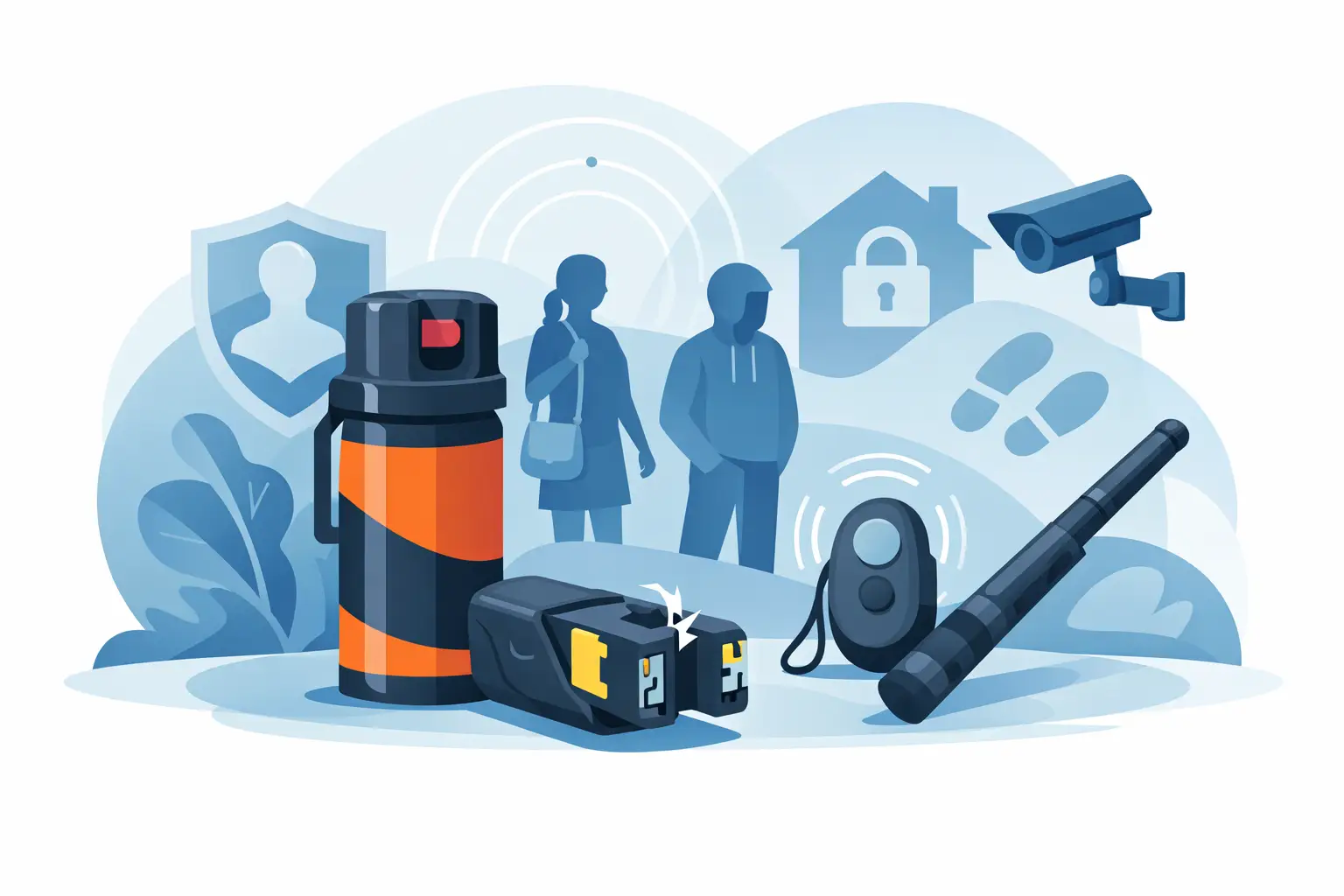
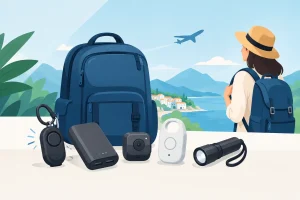
People increasingly want defensive tools that fit naturally into what they already carry. Compact pepper sprays, safety keychains, tactical pens, and small personal alarms appeal because they can stay close without taking over a purse, pocket, backpack, or vehicle console.
Accessibility is the deciding factor. A tool at the bottom of a bag is far less useful than one you can locate without looking. Many people now choose a simple carry setup, such as a pepper spray on a key ring or a tactical pen clipped inside an outer pocket, then keep it consistent every day. Consistency builds familiarity.
That does not mean every tool is right for every situation. Pepper spray can be affected by wind and should be carried securely to prevent accidental discharge. A stun device requires close contact, which may not be the safest option if creating distance is possible. The best choice depends on your comfort level, local laws, and the environment where you expect to use it.
Trend 2: Distance and Deterrence Over Close Contact
A major change in non lethal defense thinking is the emphasis on avoiding close-range confrontation whenever possible. Tools that help create distance or attract attention are often more practical than tools requiring direct contact.
Pepper spray is popular for this reason. When legal to carry and used according to its instructions, it can provide a defensive option while allowing the user to move away from danger. Personal safety lights also support this strategy. A bright light can illuminate a dark path, make it harder for someone to approach unnoticed, and signal that you are alert.
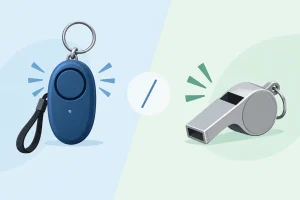
Noise remains powerful, too. Personal alarms and door alarms are not flashy, but they can disrupt a threatening moment and draw attention from people nearby. For many users, the sound itself is a deterrent. For others, the value is the warning it provides before an unwanted entry becomes a face-to-face encounter.
Trend 3: Home Security Is Becoming More Layered
Home defense is moving away from the idea that one lock solves every problem. Homeowners and renters are adding affordable layers that make a property less attractive to intruders and give residents more awareness of what is happening around doors, windows, and common entry points.
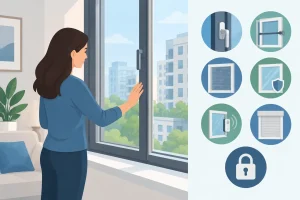
Window and door alarms are a practical example. They are especially useful for secondary doors, first-floor windows, garage access points, apartments, dorm rooms, and travel accommodations. When an entry point opens, the alarm can immediately alert those inside. That warning may give you time to move to a safer location, contact law enforcement, or determine whether a family member simply opened a door.
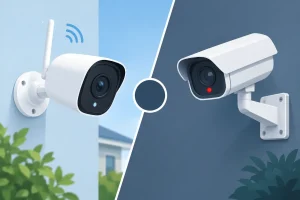
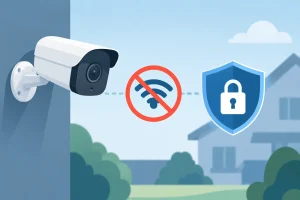
Visible cameras can also discourage unwanted activity, while hidden cameras may help monitor specific areas when used lawfully and ethically. Dummy cameras are another low-cost deterrence option, though they should not be the only security measure protecting a property. A determined intruder may recognize the difference, and a dummy device cannot record evidence or send an alert.
The strongest setup combines physical security, awareness, and a response plan. Lock doors and windows, use lighting around entrances, add alarms where they make sense, and make sure everyone in the home knows what to do if an alarm sounds.
Trend 4: Training for Simple Tools, Not Just Advanced Gear
More people are recognizing that familiar tools are safer tools. A defensive device should not be opened for the first time during an emergency. Read the instructions, understand the safety mechanism, know its working range, and practice accessing it without activating it.
For pepper spray, practice locating the canister, orienting the nozzle, and moving away after use. For a stun gun or stun baton, understand charging needs, activation controls, and any legal restrictions that apply where you live or travel. For home alarms and cameras, test batteries, sensors, and placement before relying on them.
Training also means practicing the decisions around the tool. Where is the safest exit? Who will you call? What will you say when reporting your location and the emergency? The goal is not to turn everyday citizens into security professionals. It is to reduce hesitation and keep the response focused on getting to safety.
The Legal and Practical Limits of Less-Lethal Tools
“Non lethal” does not mean harmless. Defensive products can cause serious injury, especially when misused, used against vulnerable individuals, or used in the wrong circumstances. They should never be treated as toys, intimidation props, or substitutes for de-escalation.
Laws also vary by state, city, workplace, school, airport, and other restricted locations. Certain products may be limited by age requirements, carry rules, size restrictions, or prohibitions on specific properties. Before carrying any self-defense tool, verify the laws where you live and anywhere you plan to travel. Follow manufacturer directions, store devices securely, and keep them away from children.
Situational judgment matters just as much. If you can leave safely, leave. If you can avoid a confrontation by crossing the street, returning to a public place, or asking for help, that is a strong defensive choice. Force should be a last-resort response to an immediate threat, not the first move in a disagreement.
Build a Defense Plan Around Your Actual Routine
The best security plan matches your daily life. A commuter may prioritize a compact light, pepper spray, and a personal alarm. A dog walker may need an animal repellent designed and labeled for that purpose, along with a phone that is accessible rather than buried in a pocket. A homeowner may get more value from door alarms, window alarms, lighting, and cameras than from a single handheld device.
Start by identifying the moments when you feel least protected. Maybe it is walking to your car, accepting deliveries, leaving teenagers home alone, or checking a noise near a side entrance. Then choose practical layers that address those moments. Elite Warrior Defense offers a range of accessible personal and home security options so individuals can build protection around their needs rather than settle for a one-size-fits-all approach.
Keep your plan simple enough to use when adrenaline is high. Carry what you know how to use, place home security devices where they provide real warning, and revisit your setup as your routine changes. Confidence comes from preparation that is realistic, responsible, and ready before you need it.