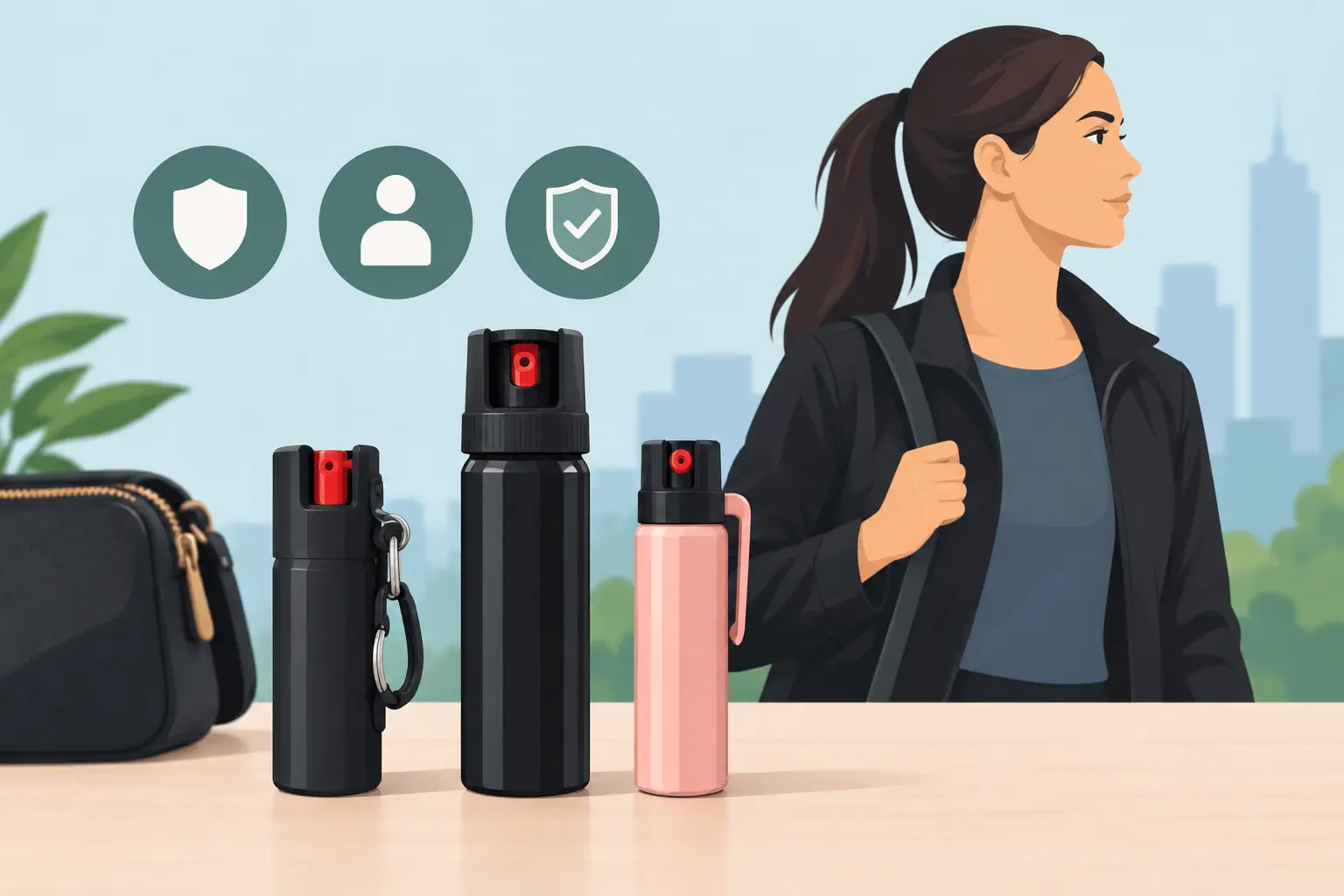
The right pepper spray should be easy to reach, simple to operate, and suited to the way you actually move through the day. That is the foundation of smart pepper spray selection. A powerful canister left in a glove box or buried in a bag is not nearly as useful as a reliable option you can access under stress.
Pepper spray is a practical defensive tool because it can create an opportunity to get away from danger without relying on physical strength. But there is no single best choice for every person. Your routine, carry method, local laws, comfort level, and environment all matter.
Start Your Pepper Spray Selection With Your Routine
Think about when and where you want protection. Someone walking from a parking garage to work may need a compact canister that clips securely to a key ring or fits in a pocket. A runner may prefer a lightweight unit with a hand strap or an easy-grip design. A person who spends time hiking, camping, or walking dogs may need a larger format and may want to consider an animal-specific repellent for that purpose.
Your routine should determine the form factor before you focus on labels or numbers. If you wear business clothes, a slim pocket-sized option may be more realistic than a large canister. If you drive often, choose a carry solution that stays secure and accessible without rolling under a seat or disappearing into a center console.
The best defensive tool is the one you will consistently carry, check, and know how to use.
Choose the Spray Pattern Carefully
Spray pattern affects how pepper spray performs in real conditions. Each style involves trade-offs, especially around reach, wind, and the level of accuracy required.
Stream
A stream projects in a narrow line, which can offer greater reach and reduce airborne blowback compared with wider patterns. It is often a strong choice for outdoor use, particularly where wind may be a concern. The trade-off is that a stream requires more deliberate aiming. Under stress, that takes practice.
Cone or Fog
Cone and fog patterns cover a broader area. They can be easier to direct toward an immediate threat at close range, but wind can carry the mist back toward the user. These patterns are generally less forgiving outdoors on windy days and can create more contamination in an enclosed space.
Gel
Pepper gel comes out in a thicker stream that is designed to reduce airborne drift. It can be a practical option for people concerned about wind or accidental exposure in a crowded setting. Like a standard stream, however, it requires the user to aim with care.
Foam
Foam adheres on contact and can limit airborne particles. It may be useful in certain close-range situations, but it also requires accurate placement and should not be treated as risk-free in confined areas.
There is no universal winner. A person who often walks outdoors may value the lower drift of a stream or gel. Someone who wants wider coverage at close distance may prefer a cone pattern, while understanding the increased chance of blowback.
Strength Is More Than a Number
Shoppers often compare pepper sprays by looking for the biggest number on the package. That can be misleading. Formula measurements, heat ratings, and percentage claims are not always presented the same way from one product to another. A high number alone does not guarantee better real-world performance.
Instead, look for a reputable, clearly labeled product with an appropriate spray pattern, dependable actuator, and a size you will carry. The ability to deploy the product quickly and accurately matters as much as the formula itself.
Also pay attention to the stated range and number of bursts. A compact keychain model is convenient, but it usually holds less product than a larger canister. That does not make it a poor choice. It simply means you should select it for convenience and everyday carry rather than expecting the same capacity as a full-size unit.
Prioritize Safety Features You Can Use Under Stress
A safety mechanism is essential, but it should not be so complicated that it slows you down. Many quality pepper sprays use a flip-top cap, twist lock, or other protective design to help prevent accidental discharge. The right mechanism is one you can learn to release confidently without looking at the canister.
Practice starts before an emergency. Hold the unit in the grip you would naturally use. Locate the safety and nozzle. Confirm which direction the spray will travel, and never point it toward your face or another person during handling. If available, an inert training unit can help you become familiar with the design without releasing active spray.
Do not rely on memory alone. Rehearse safely from time to time, especially after changing purses, jackets, key rings, or carry positions.
Size and Carry Method Matter Every Day
Pepper spray that is difficult to access can create a false sense of security. Choose a carry method that fits your habits and keeps the canister oriented correctly.
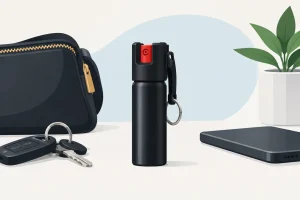
A keychain option can be useful for quick errands, provided your keys are normally in hand or easy to locate. A pocket clip may work well for walkers, commuters, and people who wear outerwear. A holster can provide dependable placement on a belt, bag strap, or inside a vehicle, depending on the product and local rules.
Avoid tossing pepper spray loose into a purse, backpack, or glove compartment. It can be difficult to find when seconds count, and loose storage raises the chance of accidental activation or damage. Keep it protected from extreme heat, direct sunlight, and conditions that may compromise the canister.
Check Laws Before You Carry
Pepper spray laws vary by state, city, and location. Some jurisdictions place limits on container size, permitted formulas, or where pepper spray may be carried. Certain schools, government buildings, airports, and private venues may prohibit it entirely. Restrictions can also apply to carrying it across state lines or in checked and carry-on luggage.
Before buying or carrying, verify the rules where you live, work, travel, and regularly visit. Responsible ownership includes using pepper spray only in response to an immediate threat and only to create a chance to escape and seek help. It is not for settling arguments, intimidating someone, or using against another person who is not posing a legitimate danger.
Maintain Your Pepper Spray Before You Need It
Pepper spray is not a buy-it-and-forget-it item. Check the expiration date regularly and replace it before it expires. Over time, pressure and formula performance can decline, which is not a gamble worth taking during an emergency.
Inspect the canister for dents, corrosion, leaks, cracked plastic, or a damaged safety mechanism. Keep it out of the hands of children, and store it in a secure location away from excessive heat. If you use a canister, replace it promptly rather than assuming there is enough left for another emergency.
Elite Warrior Defense encourages practical preparation: carry a tool that fits your lifestyle, understand its operation, and make personal awareness part of your safety plan. Pepper spray can be a valuable layer of protection, but it works best alongside smart habits such as staying alert, trusting your instincts, and moving toward safety as soon as you can.
The goal is not to carry the largest canister or the most aggressive-looking option. Choose the pepper spray you can carry confidently, access quickly, and use responsibly when getting away safely matters most.