A door alarm only helps if it is set up where it can actually do its job. Too many people stick one on a door, flip a switch, and assume they are covered. If you want real peace of mind, you need to know how to use a door alarm so it alerts fast, stays reliable, and fits the way you actually live.
Why a door alarm works when used correctly
A door alarm does one simple thing very well – it tells you the moment a protected door is opened. That quick warning matters. It can wake you up at night, alert you if someone enters through a back door, or let you know when a child or elderly family member opens a door they should not.
The strength of a door alarm is speed. You are not waiting for a camera notification, checking footage, or hoping a lock holds long enough. You get immediate sound, and sometimes a bright visual alert, right when the entry point is breached.
That said, a door alarm is not a replacement for solid locks, good lighting, or overall home awareness. It is one layer in a smart security setup. Used correctly, it is a strong layer. Used carelessly, it becomes background noise or fails when you need it most.
How to use a door alarm step by step
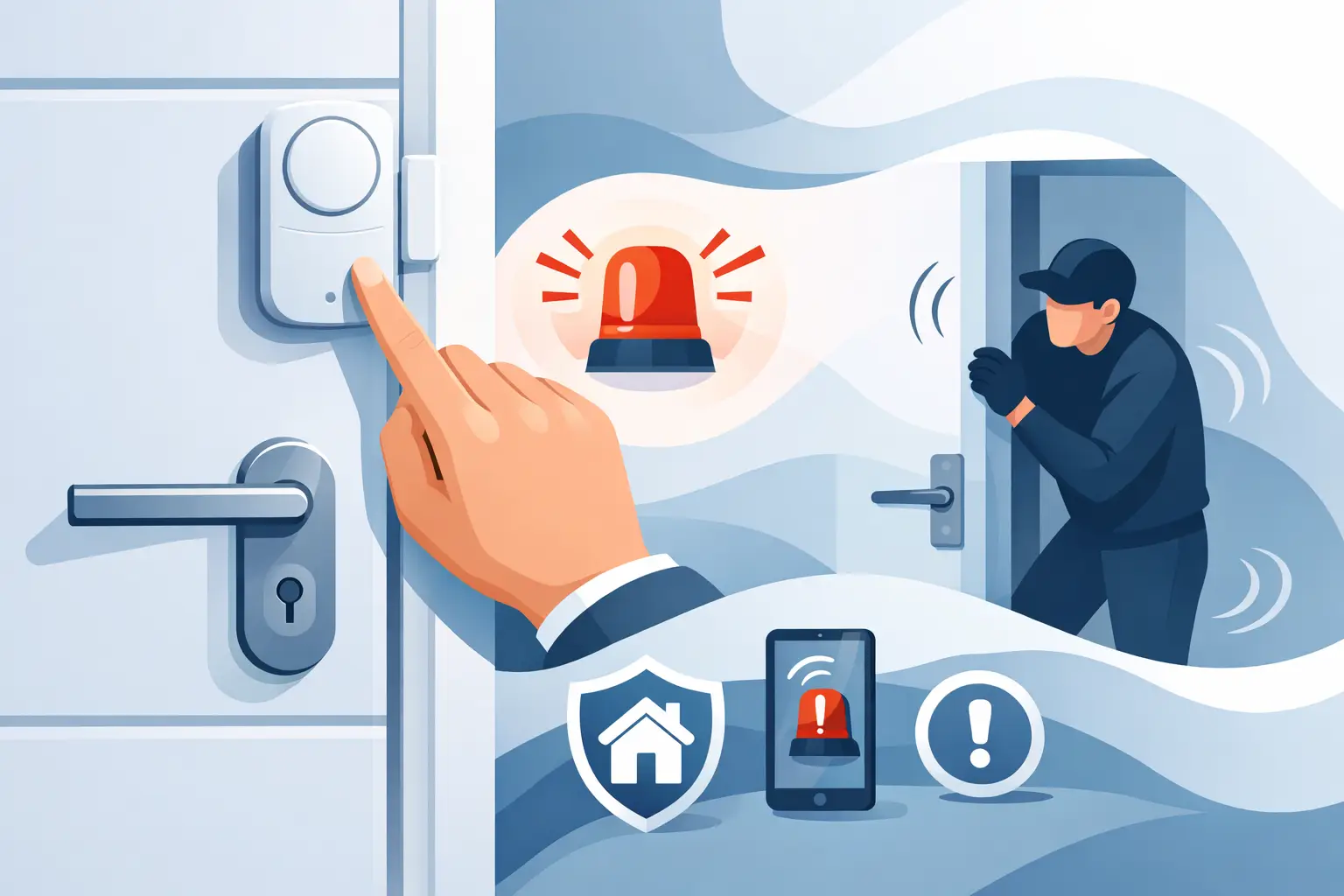
Most basic door alarms are made of two parts – the main alarm body and a magnetic contact piece. When the door opens and those two pieces separate, the alarm sounds. Some models also include chimes, delayed settings, or off modes.
Start by choosing the door that needs protection most. For many people, that is the front door. For others, it is the back door, garage entry, or a sliding door that is less visible from the street. Think in terms of risk, not habit. The door you use most is not always the one most likely to be targeted.
Before installing anything, clean the surface thoroughly. Dust, oil, and moisture can weaken adhesive backing and cause the alarm to shift over time. A clean, dry surface gives you a much better hold.
Next, line up the alarm unit and magnetic sensor exactly as the product instructions show. In most cases, they need to sit close together when the door is closed. If the gap is too wide or the pieces are misaligned, the alarm may not arm properly or may trigger when it should not.
Once mounted, test it several times. Close the door fully, arm the alarm, and open the door at a normal pace. Then try again with a slower opening. You want to make sure it responds every time, not just when the door swings wide.
If your model has multiple settings, decide what makes sense for that location. A loud siren may be right for an exterior entry door. A chime mode may work better for a door inside the home where you simply want awareness rather than a full alarm blast.
Best placement for a door alarm
Placement matters more than many people realize. A poorly placed door alarm can be bumped loose, tampered with, or simply fail to detect the door opening the way it should.
For standard hinged doors, the alarm is usually placed high on the frame, with the magnetic contact on the door itself. Higher placement tends to keep the device out of reach of children and makes it less noticeable to an intruder moving quickly. It also reduces the chance of accidental contact from bags, coats, or daily traffic.
Sliding doors can take a little more care. You need to place the alarm where the moving panel and frame stay properly aligned when closed. If the fit on the door is loose or the track has play in it, test carefully. A sliding door that rattles or shifts can cause false alarms if the sensor is set too tight.
Doors with uneven trim, weather stripping, or decorative molding may need extra attention. The key is not perfect appearance. The key is a stable mount and a consistent magnetic connection. Security products need function first.
Common mistakes when using a door alarm
The biggest mistake is installing it and never testing it again. Batteries weaken. Adhesive pads loosen. Doors settle with temperature and humidity changes. What worked on day one may not work three months later.
Another common mistake is relying on the alarm while forgetting the basics. If the door does not latch properly, if the frame is weak, or if the lock is poor quality, the alarm may still sound, but the intruder may already be inside. A door alarm warns you. It does not physically stop entry.
People also make the mistake of placing alarms on doors they use constantly without thinking through convenience. If a door opens 20 times a day and the alarm is loud every single time, users often start leaving it off. That defeats the purpose. In those cases, a chime setting, a different protected door, or a more selective routine may work better.
One more issue is assuming every door needs the same setup. It depends on the home, the traffic flow, and who lives there. A front apartment door has different needs than a patio door in a single-family home. A household with kids may want instant alerts on a pool or garage door. A person living alone may prioritize exterior nighttime protection.
How to use a door alarm without constant false alarms
False alarms usually come down to three things – bad alignment, weak batteries, or poor installation surfaces. The fix is often simple, but it needs attention.
Check that both pieces are straight and close enough together when the door is shut. If one has shifted even slightly, the sensor may read the door as open when it is not. Replace batteries before they are fully drained, not after performance starts getting unreliable.
Also pay attention to the door itself. If it slams hard, shakes the frame, or sticks before closing completely, the sensor can act unpredictably. Sometimes the alarm is not the problem. The door is.
If you are protecting a frequently used entrance, build a habit around arming and disarming it. A lot of frustration comes from rushing out the door and forgetting the alarm is active. A simple routine makes the product easier to live with and much more effective.
How to use a door alarm as part of a bigger security plan
A door alarm works best when it is part of a layered approach. Think of it as an early warning tool. It gives you time to respond, check the area, move family members to safety, or call for help.
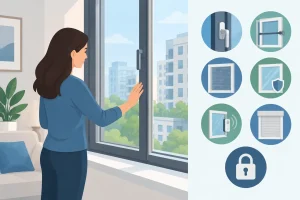
For exterior security, combine a door alarm with solid deadbolts, good outdoor lighting, and visible signs that the property is protected. If you have vulnerable windows near the door, those should be part of your plan too. An intruder looks for weak points, not just obvious points.
Inside the home, door alarms are useful beyond break-in prevention. They can help monitor restricted areas, notify you when someone enters a garage or basement, or alert you if a medicine room, office, or storage area is opened. That flexibility is one reason affordable security tools can make such a real difference.
For renters, this is especially useful. A simple door alarm can add meaningful awareness without requiring major installation or permanent modifications. That makes it one of the more practical options for people who want more control over their security right now.
Choosing the right mindset for using door alarms
The people who get the most value from security products are the ones who treat them like tools, not decorations. A door alarm is there to give you an advantage. It buys you awareness. It creates noise. It puts you in a stronger position than silence would.
That means checking it regularly, replacing batteries on time, and being honest about where your home is vulnerable. It also means understanding the trade-off between convenience and protection. The loudest setting is not always the best setting. The most obvious door is not always the one that needs coverage first.
If you want dependable results, keep your setup simple and intentional. Protect the doors that matter most. Test often. Make sure everyone in the household knows what the alarm sounds like and what to do when it goes off.
At Elite Warrior Defense, that is the whole point of practical security – giving everyday people reliable tools they can use with confidence. A door alarm does not need to be complicated to be effective. It just needs to be placed well, maintained properly, and used with purpose.
Security gets stronger when your habits get sharper. Set the alarm, test it, and make it part of the way you protect your space every day.