A few seconds is all most threats give you. That is exactly why the future of non lethal defense matters now, not someday. People want protection that is fast, effective, legal in more places than firearms, and practical enough to carry or keep close at home without turning daily life into a tactical exercise.
That shift is already happening. Non-lethal defense is moving beyond simple spray canisters and basic impact tools into a broader category of smarter, more user-focused protection. The goal is not to make people feel paranoid. It is to give ordinary adults better options when they need to create distance, stop an attack, draw attention, and get to safety.
Why the future of non lethal defense is changing fast
The biggest force behind this market is simple demand. More people are taking personal safety seriously, but they do not all want the responsibility, legal complexity, or permanent consequences that can come with deadly force. They want tools that fit real life – a late walk to the car, a front door opened at the wrong moment, a stranger closing distance too quickly, or a home that needs another layer of deterrence.
At the same time, product design has improved. Manufacturers are paying closer attention to size, grip, activation speed, battery reliability, and how a device performs under stress. That matters because a self-defense tool is only useful if you can operate it quickly and confidently. Fancy features mean very little if they slow you down when your heart rate spikes.
Public awareness is changing too. Years ago, some people saw non-lethal products as either gimmicks or weak substitutes. That view is fading. Better education and real-world use have made it clear that less-lethal tools can be serious defensive options when they are legal, well-made, and matched to the situation.
Smarter tools will lead the next wave
The future will not belong to devices with the longest feature list. It will belong to tools that work reliably under pressure. That means simpler safety mechanisms, stronger battery performance, clearer readiness indicators, and designs that are easier to carry every day.
Pepper spray is a good example. The category is mature, but it is still improving. Expect stronger focus on better range, more consistent spray patterns, quicker deployment, and canisters that are easier to grip from a purse, pocket, or keychain. Better clip designs and more intuitive safety tops can make a major difference in the real world.
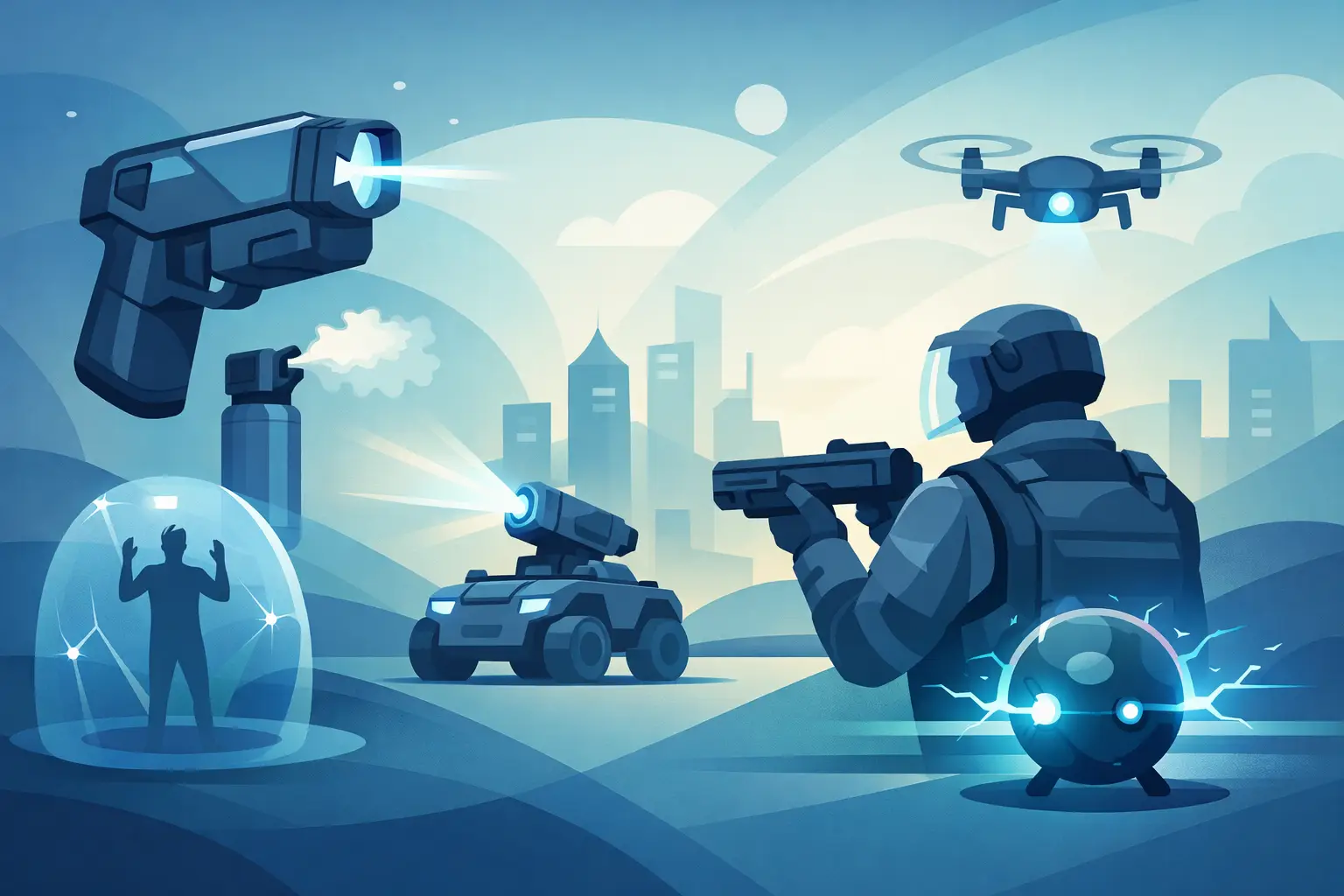
Stun devices are also evolving. The trend is toward rechargeable systems, more compact bodies, built-in flashlights, and designs that feel less bulky in the hand. For many buyers, convenience is not a luxury feature. If a device is too awkward to carry, it gets left at home. The most effective tool is often the one that is actually with you.
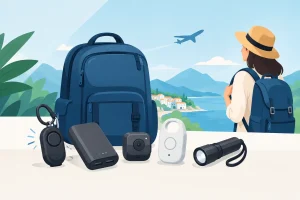
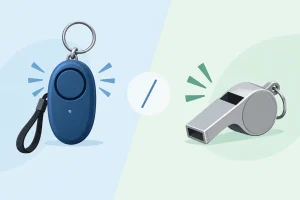
You will also see more crossover products. A safety light that doubles as a deterrent. A baton that adds visibility. A self-defense keychain that is small enough for daily carry but sturdy enough to improve control in a panic. These combinations make sense because personal safety is rarely about one perfect response. It is about layers.
Personal safety is becoming more layered
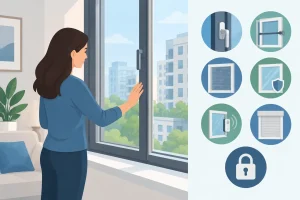
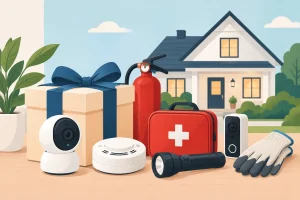
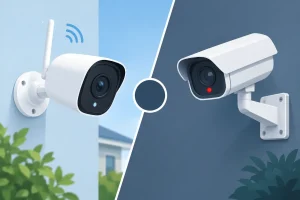
One of the clearest signs of the future of non lethal defense is that people are no longer thinking in single-product terms. They are building systems around how they live. Someone might carry pepper spray for distance, a tactical pen for close-range emergencies, and a high-output safety light for awareness and disorientation. At home, that same person may add window alarms, door alarms, hidden cameras, or dummy cameras to strengthen deterrence before an intruder ever gets close.
That layered approach is smart because every tool has limits. Pepper spray can be affected by wind and distance. Stun devices generally require close contact. Alarms help alert you, but they do not physically stop an attacker. Cameras can provide awareness and evidence, but they are not an immediate defense. Used together, these products cover more gaps.
This is where affordable access matters. Personal security should not be reserved for people with large budgets or specialized training. The market is moving toward practical protection that regular households can actually afford and use. That is a major reason brands like Elite Warrior Defense connect with everyday buyers who want dependable options without overspending.
Training and ease of use will matter more than raw power
There is a temptation in self-defense marketing to focus only on intensity – stronger shock, hotter spray, harder strike. Power matters, but it is not the whole story. Ease of use is what turns a product from a purchase into a real security tool.
The next generation of non-lethal defense products will need to serve people who are not experts. That means clear instructions, intuitive activation, visible charge status, and designs that reduce the chance of user error. A device should make you more capable, not more confused.
Training will become a bigger part of the conversation too. Not complicated classroom theory. Practical habits. Where do you carry it? Can you access it with either hand? Have you practiced releasing the safety? Do you know your local laws? Have you thought through what comes after deployment – moving away, calling for help, and staying aware of your surroundings?
The people who get the most value from non-lethal tools are usually not the ones chasing the most aggressive product claims. They are the ones choosing tools they can legally carry, comfortably keep nearby, and confidently use under stress.
Home defense will keep moving toward early warning and deterrence
Personal protection gets most of the attention, but home defense is part of the same story. The future is not just about what happens during a confrontation. It is about preventing one from reaching that stage.
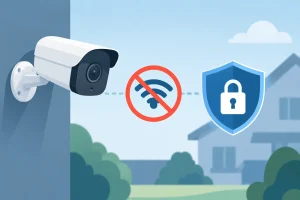
That is why alarms, cameras, and visible deterrents will continue to grow alongside handheld defense tools. A door alarm can give you precious seconds. A window alarm can turn a quiet break-in attempt into a loud problem. A visible camera, even a dummy camera in the right setting, can push some criminals to move on to an easier target.
This does not mean every home needs a high-end, complex setup. In fact, many people are better served by simple tools that are easy to install and maintain. If a security product is too complicated, people stop using it correctly. The best home defense upgrades often come down to reliability, visibility, and consistency.
Legal and social expectations will shape what comes next
Non-lethal defense does not exist in a vacuum. Laws vary by state and local jurisdiction, and public attitudes influence what products gain traction. That creates both opportunity and caution.
On one hand, less-lethal tools appeal to buyers who want meaningful protection without the higher threshold associated with firearms. On the other hand, legal compliance still matters. A product can be effective and still be restricted in certain areas, age groups, or settings. As the market grows, better labeling and clearer education will become more important.
There is also a social reality to consider. More consumers want options that are assertive without being excessive. They want tools that help stop a threat, create an escape window, and reduce the chance of irreversible harm. That does not make non-lethal defense a soft option. It makes it a practical one for many common situations.
What buyers should watch for now
If you are thinking about where this market is headed, focus less on hype and more on what helps in real conditions. Look for carry-friendly size, dependable construction, simple operation, and a role that fits your routine. The right choice for someone commuting alone at night may not be the right choice for a homeowner focused on entry-point security.
It also helps to think in terms of response distance. Some tools are best for creating space. Others are for close contact. Some are mainly deterrents. Some are alerts. A strong setup usually includes more than one category because real threats do not follow a script.
The future of non lethal defense is not about replacing awareness, judgment, or preparedness. It is about strengthening them with tools that are more accessible, more effective, and easier to use when seconds matter. The smartest move is not waiting for the perfect device. It is building a security plan that fits your life, then choosing dependable protection you will actually carry, keep ready, and trust when it counts.