

A porch pirate tests a front step once, spots a weak angle, and comes back when nobody is watching. That is exactly why the hidden surveillance future 2026 matters to ordinary homeowners, renters, and small business owners. The next wave of surveillance is not just about getting more footage. It is about getting better awareness, faster alerts, and fewer blind spots without turning your space into a fortress.
For people who take security seriously, that shift brings real advantages. It also brings new questions. Which devices will actually help you prevent problems? Which features are useful in the real world, and which ones are just marketing? And where is the line between smart protection and overcomplication?
By 2026, hidden surveillance will be less obvious, more connected, and far more selective about what it records. Older systems were built to capture everything and let you sort through the mess later. Newer systems are being built to spot what matters in the moment – motion near a back window, repeat activity around a garage, or a person lingering where they should not be.
That matters because more footage does not automatically mean more security. If your camera sends alerts every time a cat crosses the driveway or a branch moves in the wind, you stop paying attention. A system that can better tell the difference between normal activity and suspicious behavior gives you something more valuable than video. It gives you time to react.
Hidden cameras, disguise cameras, and compact indoor surveillance tools are likely to keep getting smaller and easier to place. That is useful for homeowners who want coverage in entryways, offices, package drop areas, and rooms with valuables. It is also useful for people who do not want their security setup to advertise where every lens is located.
Still, smaller does not always mean better. Tiny devices can be easier to conceal, but they may also have weaker battery life, narrower viewing angles, or lower night performance. The best setup in 2026 will not be the one with the most gadgets. It will be the one that covers your real risks clearly and consistently.
A lot of buyers get pulled toward resolution numbers first. Clear video matters, of course. If something happens, you want a usable image. But in the hidden surveillance future 2026, smart alerting will likely be the bigger upgrade for most households.
The reason is simple. Most people do not sit around reviewing camera feeds all day. They need a system that flags unusual activity quickly and cuts down on false alarms. Better motion detection, person recognition, zone controls, and scheduled monitoring can make a modest camera far more practical than a premium camera with poor notification settings.
This is one of those areas where it depends on your property. A quiet suburban home may benefit from tightly defined motion zones around doors and windows. An apartment may need indoor monitoring near the main entrance and package storage area. A small business might prioritize after-hours entry alerts over constant daytime recording.
The point is not to chase the most advanced feature set on paper. It is to choose features that fit how your day actually works. Protection only helps if it is usable when you are busy, tired, or away from home.
Artificial intelligence will keep showing up in surveillance products through 2026. Some of that will be genuinely useful. AI-based filtering can reduce false notifications, identify recurring activity patterns, and help sort recorded events faster. That can save time and improve response.
But this is not a case where newer automatically means wiser. AI systems are only as helpful as their design and setup. If the software mislabels motion or misses a key event, you still need a basic layer of dependable recording and placement. Home security works best when the technology supports your awareness instead of pretending to replace it.
That is why strong buyers will keep focusing on fundamentals. Can the camera see the approach to the door, not just the doormat? Can it perform in low light? Can it store footage reliably? Can you place it where it captures faces, movement patterns, or access points? Fancy software cannot fix poor positioning.
The biggest mistake people make with surveillance is treating it like a standalone solution. Cameras are a force multiplier, not a complete defense plan. In 2026, the strongest home setups will combine hidden surveillance with visible deterrents and simple physical security.
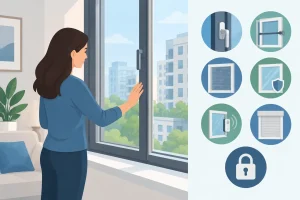
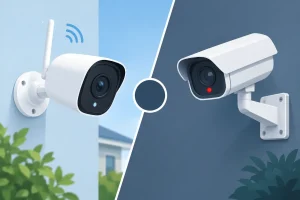
That means reinforced habits and layered tools. Window and door alarms still matter. Exterior lighting still matters. Visible warning signs or dummy cameras may still have a place, depending on the property. A hidden camera can document behavior and help you monitor vulnerable areas, but it is even more effective when it works alongside measures that make a criminal hesitate before acting.
This is where practical thinking beats panic buying. You do not need to turn your house into a control room. You need to identify where trouble is most likely to start. Front doors, back entries, first-floor windows, side gates, garages, and package areas usually deserve attention first. Once those are covered, secondary spaces can be evaluated.
For many buyers, affordability will remain a major factor in 2026. That is not a weakness. It is a reality. A smart, affordable layered setup is often stronger than one expensive device covering the wrong area. Elite Warrior Defense speaks to that mindset well because real security should be accessible, not reserved for people with oversized budgets.
As hidden surveillance becomes easier to install, legal and ethical questions become more important. That is especially true for indoor monitoring. People want protection, but they also want to stay within the law and maintain trust inside their homes and workplaces.
Rules vary by state, and placement always matters. Recording in common areas may be treated differently than recording in private spaces. Audio recording can raise even more serious legal concerns than video. If you are protecting your home, protecting yourself legally should be part of the plan.
There is also the family factor. A camera placed without clear purpose can create tension in a household. A camera placed with a defined security goal, reasonable boundaries, and lawful use is a different story. Strong security is not about constant suspicion. It is about having reliable evidence and awareness where it makes sense.
A lot of surveillance gear looks impressive in product photos. Real performance shows up later – during low light, unstable Wi-Fi, long workdays, and missed deliveries. As the market grows, buyers should pay attention to a few practical issues.
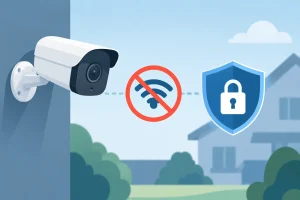
Battery-powered hidden cameras offer placement flexibility, but they may need more maintenance than people expect. Plug-in models can be more dependable for continuous coverage, but they require smarter placement. Cloud storage can be convenient, but some users will prefer local storage for cost control or privacy reasons. None of these options are universally best. Each one comes with trade-offs.
Durability will matter more too. A surveillance device that works well for one week and fails when temperatures shift or signal strength drops is not really protecting anything. Reliability, ease of use, and clear setup instructions will keep separating worthwhile products from impulse buys.
And perhaps most important, buyers should stop thinking only about catching someone after the fact. The best surveillance setups in 2026 will help people notice patterns before a crime fully develops. Repeated late-night movement near a shed. Someone testing access points. Packages disappearing from the same part of the property. Those warning signs matter.
The hidden surveillance future 2026 is not about spying for the sake of it. It is about giving decent people better tools to protect their homes, families, and property with confidence. When surveillance becomes more accurate, less intrusive, and easier to integrate into a broader safety plan, it stops feeling like tech for tech’s sake. It becomes practical preparedness.
That is the mindset worth carrying forward. Do not buy based on fear alone. Buy based on layout, risk, habits, and the kind of response you want if something goes wrong. A camera should help you see clearly, act sooner, and worry less.
If 2026 brings smarter hidden surveillance, the real advantage will go to the people who use it with discipline – not just to record trouble, but to stay one step ahead of it.





YOU’RE IN!
Use this code on every order
🎉
Here’s Your Code!
Use it now an on every future order.
YOUR DISCOUNT CODE
We also sent this code to your email for safekeeping.
EXCLUSIVE OFFER
Every order – not just your first!
Unlock Your Discount Instantly
Enter your email below and your personal 15% discount code appears right here – no need to check your inbox.
🔒 We respect your privacy. Unsubscribe anytime.