
Personal safety gear is getting sharper, smaller, and more practical. The biggest self defense gear trends 2026 buyers should pay attention to are not about flashy gimmicks. They are about gear that fits real life – easier to carry, faster to access, simpler to use under stress, and more tailored to everyday people who want dependable protection without overspending.
That shift matters. Most people are not building a tactical loadout. They are choosing products for a walk to the car after work, a college commute, a late-night dog walk, a rideshare pickup, or a front door that feels a little too exposed. In 2026, the gear gaining traction is the gear that works in those moments.
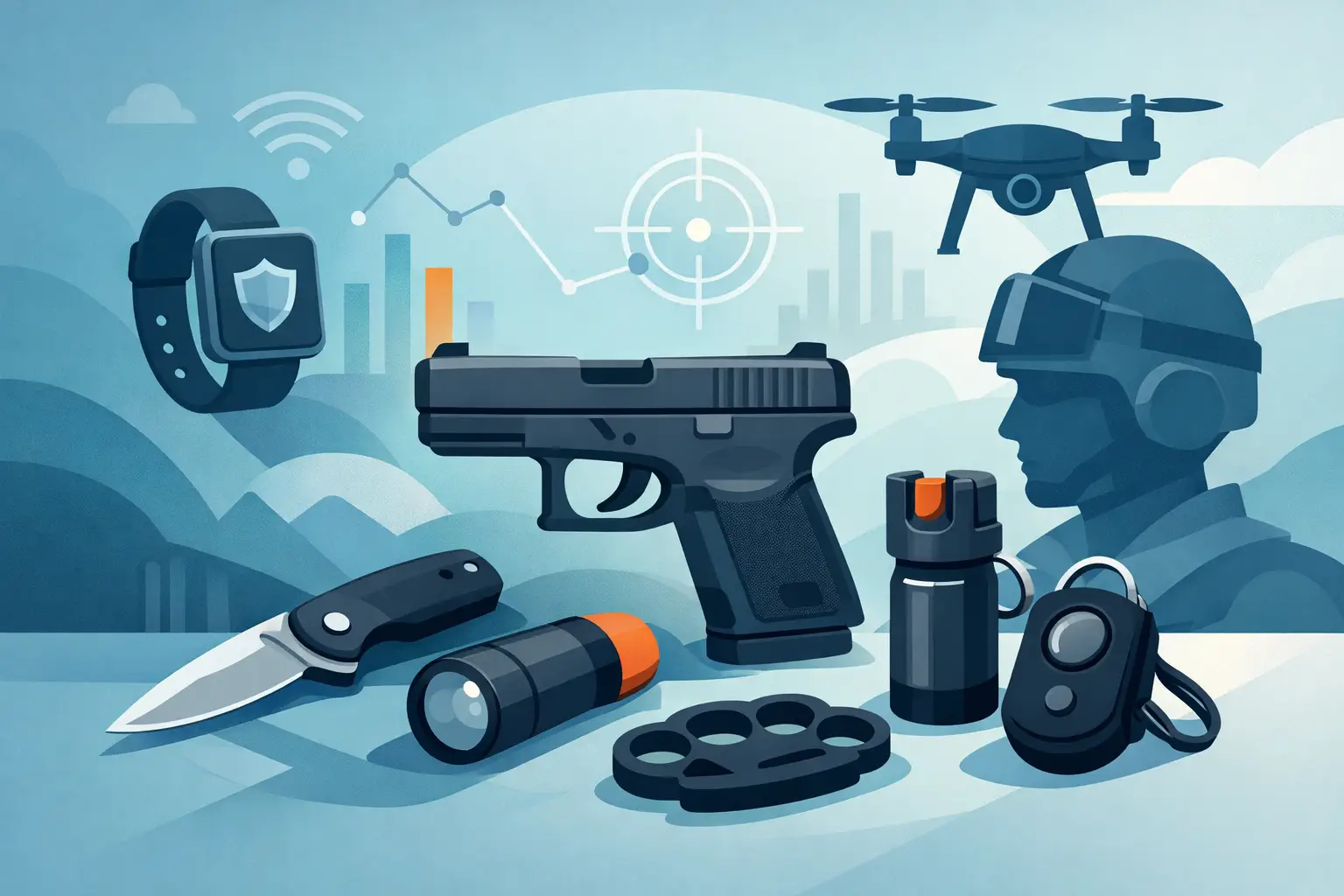
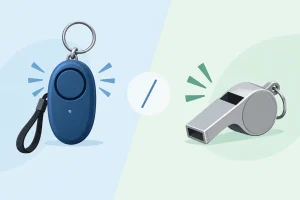
The first change is a move away from bulky, obvious tools and toward compact options that are still effective. People want protection they will actually carry, not something that stays in a drawer because it is inconvenient. That is why keychain tools, compact pepper sprays, tactical pens, small stun devices, and safety lights continue to gain ground.
There is a simple reason for this. The best self-defense tool is often the one you have with you when you need it. Large gear can offer more reach or power, but smaller tools usually win on consistency. If a device clips onto a bag, fits in a pocket, or rides on a keyring without becoming annoying, it is far more likely to become part of a daily routine.
At the same time, buyers are getting more selective. They are not just asking whether a product can stop a threat. They are asking whether they can deploy it quickly, whether they can grip it with wet or shaking hands, and whether it makes sense for their lifestyle. That is pushing the market toward better ergonomics, clearer safety features, and designs that do not require a steep learning curve.
Miniaturization by itself is not a trend worth celebrating. Tiny gear that is hard to hold or operate can create more problems than it solves. What stands out in 2026 is that compact self-defense tools are becoming more usable.
Pepper spray is a strong example. Buyers increasingly prefer canisters with improved grip texture, easier-to-read directional indicators, and safety caps that reduce accidental discharge without slowing down access too much. The trade-off is worth noting. A more secure safety mechanism can prevent mistakes, but if it is overly stiff or confusing, that can cost precious time in a high-stress situation. Good design finds the balance.
Stun devices are moving in a similar direction. More people are drawn to compact stun guns and stun batons that combine deterrence, portability, and simple controls. Here again, practical details matter. A device that feels solid in hand and has intuitive activation is often more valuable than one with a long list of features that complicate use.
Tactical pens and self-defense keychains are also staying relevant because they blend into daily life. They do not scream for attention, and for many buyers that is the point. Discreet carry is becoming a major purchasing factor, especially for professionals, students, commuters, and anyone who wants security without advertising it.
One of the strongest self defense gear trends 2026 is the rise of products that do more than one job. People want gear that earns its place in a pocket, purse, glove box, or nightstand.
Safety lights are a good example. A bright flashlight can help with awareness, navigation, signaling, and deterrence. In many real-world situations, visibility is the first layer of protection. A dark parking lot, poorly lit stairwell, or shadowed doorway is not just inconvenient – it is a vulnerability. That is why compact lights with strong output and easy controls are becoming standard carry items for more people, not just outdoor users.
The same logic applies to tactical pens. They function as writing tools while also offering a stronger, more purposeful design than an ordinary pen. They are not a magic fix, and they still require judgment and familiarity, but they appeal to buyers who value preparedness without carrying a specialized-looking item.
This multi-use trend reflects a bigger shift in how people think about security. They are not always looking for one dramatic product. They are building layers. A flashlight for awareness, pepper spray for distance, a door alarm at home, and a diversion safe for valuables all support the same goal: reduce vulnerability and create more options.
Personal defense and home defense are increasingly overlapping. Buyers are not treating them as separate categories the way they once did. If someone is concerned about walking to their apartment at night, there is a good chance they are also thinking about door security, windows, packages, and whether their home looks like an easy target.
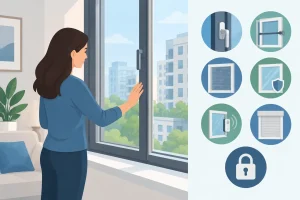
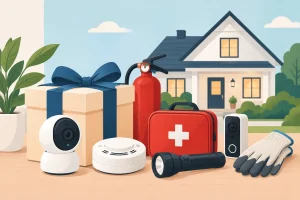
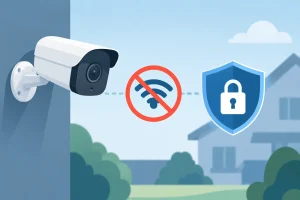
That is why compact home security products are gaining momentum in 2026. Window alarms, door alarms, hidden cameras, dummy cameras, and diversion safes fit the current market because they offer practical protection without demanding a full security overhaul. For many households, especially renters, that flexibility matters.
The appeal is obvious. A portable alarm is easy to install. A dummy camera can add visible deterrence at a low cost. A hidden camera can help monitor vulnerable areas discreetly. A diversion safe adds another layer by making valuables less obvious to an intruder. None of these tools replaces common sense or a broader security plan, but together they can raise the effort required for someone to target your home.
Affordability is also shaping demand. Buyers are looking for security products that feel accessible now, not six months from now after a major budget decision. That is one reason value-focused brands continue to resonate. People want dependable protection without feeling priced out of taking action.
If a product feels awkward, heavy, or obvious, many people will stop carrying it. This is pushing manufacturers toward cleaner, lower-profile designs that fit normal routines.
For women carrying in handbags, for parents juggling keys and phones, for workers commuting long hours, and for older adults who want straightforward tools, comfort is not a luxury feature. It directly affects whether the gear gets used. Better clips, lighter materials, more pocket-friendly shapes, and less aggressive-looking designs are all part of that shift.
There is a trade-off here too. Some buyers still prefer larger devices because they are easier to grip or inspire more confidence. That preference is valid. The right choice depends on hand strength, comfort level, storage habits, and where the product will be carried. The trend is not that one size fits all. It is that the market is finally taking different users seriously.
One lesson keeps repeating across the self-defense market: under stress, fine motor skills and decision-making can drop fast. In 2026, more shoppers are looking for gear that works with that reality instead of ignoring it.
That means simple activation, fewer unnecessary steps, and controls that make sense without a second thought. It also means more attention to practice. A product can be well designed and still fail the user if it stays in the package untouched. Serious buyers are increasingly aware that familiarity matters just as much as features.
This has created stronger demand for gear that feels intuitive from day one. If someone has to memorize a complicated sequence to operate it, that is a weakness. Reliable self-defense tools should support fast action, not hesitation.
The strongest trend in this category is not a single product type. It is a mindset. Buyers want gear that gives them practical confidence, not false confidence. That means realistic range, clear purpose, lawful use, manageable cost, and a design they can trust in ordinary life.
For some people, that will mean pepper spray and a safety light. For others, it may be a stun device for personal carry plus a few smart home security additions like alarms or cameras. The right setup depends on routine, location, comfort level, and local laws. There is no serious one-size-fits-all answer, and that is exactly why this market is maturing.
Elite Warrior Defense reflects where the category is headed: dependable tools, broad selection, and protection that feels accessible instead of out of reach. People are not looking for hype. They are looking for security they can carry, install, afford, and trust.
If you are watching the market this year, pay attention to the gear that solves everyday problems with confidence. The best self-defense setup is rarely the most complicated one. It is the one you can rely on when the moment is real.




YOU’RE IN!
Use this code on every order
🎉
Here’s Your Code!
Use it now an on every future order.
YOUR DISCOUNT CODE
We also sent this code to your email for safekeeping.
EXCLUSIVE OFFER
Every order – not just your first!
Unlock Your Discount Instantly
Enter your email below and your personal 15% discount code appears right here – no need to check your inbox.
🔒 We respect your privacy. Unsubscribe anytime.