That weak point in most homes is not the expensive TV or the back safe. It is the simple entry point someone can test in seconds. When comparing door alarm vs window sensor, the right choice comes down to how your home is set up, how you want to be alerted, and how much coverage you actually need.
A lot of people assume doors matter more than windows, or the other way around. Real home security is rarely that simple. A front door, sliding patio door, first-floor bedroom window, and garage entry all create different risks. If you want protection that makes sense, you need to know what each device is built to do and where it earns its place.
Door alarm vs window sensor: the core difference
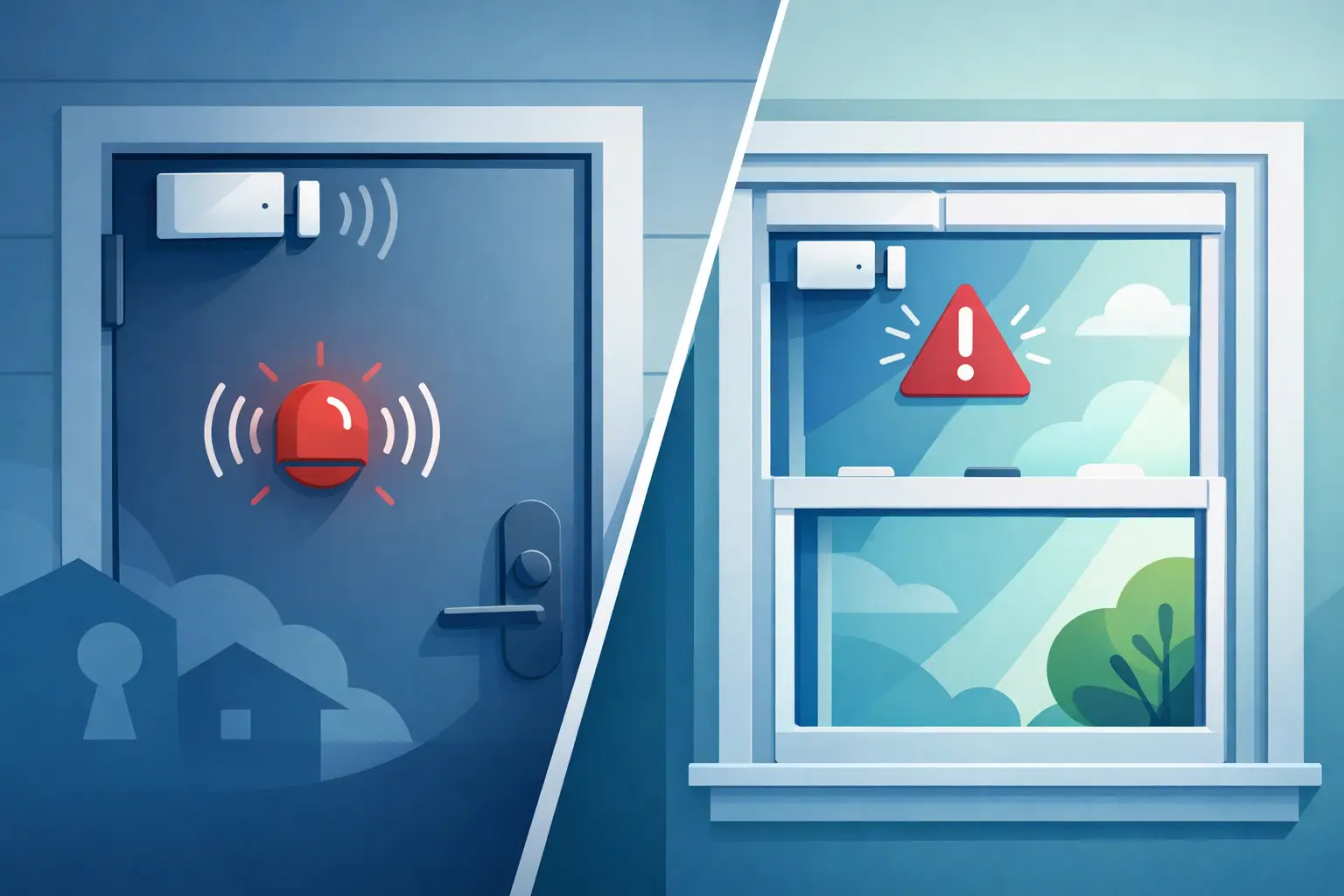
A door alarm is usually a self-contained device that sounds an alert when a door is opened or when the magnetic connection between two pieces is broken. In many models, the siren is built into the unit itself. That means the alarm is immediate, loud, and meant to scare off an intruder or alert anyone inside the home right away.
A window sensor is often designed to detect the opening of a window through a similar magnetic contact system. Some versions are part of larger alarm setups, while others work as stand-alone units. Depending on the product, a window sensor may trigger a chime, a siren, or a notification through a connected system.
The biggest practical distinction is not the technology alone. It is the job each one usually performs. Door alarms are commonly chosen for active entry points that people use every day. Window sensors are more often used to cover vulnerable access points that are easier to overlook.
Where a door alarm makes the most sense
Door alarms are a strong first step for people who want fast, affordable protection without a complicated setup. They work especially well on front doors, back doors, garage side doors, apartment entrances, dorm room doors, and sliding glass doors.
The biggest advantage is immediate deterrence. A loud alarm can interrupt an attempted entry fast. For many homeowners and renters, that matters more than advanced automation. If someone opens a protected door, the sound creates pressure instantly. That can buy you precious time, wake sleeping family members, and force an intruder to think twice.
Door alarms also make sense when you want simple security for a high-traffic area. If a child tries to open a door late at night, or if an elderly family member wanders, the alert can help you respond quickly. That makes these devices useful for safety inside the home, not just break-in prevention.
The trade-off is that a door alarm is often focused on one entry point at a time. It does not automatically solve whole-home coverage. If you only protect the front door and leave accessible windows unprotected, you may create a false sense of security.
Where a window sensor has the advantage
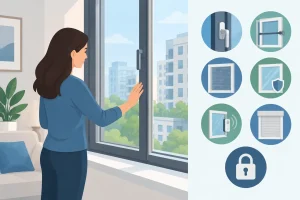
Windows are often quieter targets. They are out of sight, easier to ignore in daily routines, and frequently left less protected than doors. That is why window sensors matter. They cover a part of the home many people know is vulnerable but fail to secure consistently.
A window sensor is especially useful on first-floor windows, basement windows, side windows hidden by fencing or shrubs, and windows near patios or alleys. In apartments, ground-level and rear-facing windows deserve extra attention. In houses, bedrooms and living rooms with accessible windows should not be an afterthought.
One reason window sensors are valuable is coverage depth. A burglar looking for a lower-risk entry point may skip the front door entirely. If your windows are monitored, you close that gap. In homes with multiple easy-access windows, sensors can provide a broader security net than relying on door alarms alone.
The trade-off is that not every window setup is equally simple. Some windows open vertically, some slide sideways, and some are rarely opened at all. Placement matters. You want a sensor that fits the frame properly, stays aligned, and does not interfere with normal use.
Which one is better for break-in prevention?
If you had to choose only one, it depends on where your biggest exposure is.
If your home has one main entrance that gets the most use and the clearest risk, a door alarm may give you the fastest and most obvious layer of protection. It is direct, easy to understand, and highly effective for a common point of entry.
If your home has several accessible windows, especially on the ground floor, window sensors may close more security gaps. They help protect the places intruders count on homeowners forgetting.
That is why this is not really a winner-takes-all question. In a real home, the strongest setup usually includes both. Door alarms handle obvious entry points. Window sensors cover the quieter ones. Together, they create pressure on an intruder from more than one direction.
Door alarm vs window sensor for renters
Renters often need security that is affordable, easy to install, and easy to remove. That makes both options attractive, but door alarms often get picked first because they are straightforward and protect the main entrance without much guesswork.
If you live in an apartment with a single entry door above ground level, a door alarm may be the most practical first purchase. If you live on the first floor or have patio access, window sensors become much more important. Sliding doors and accessible rear windows deserve the same attention as the front entrance.
The best renter mindset is simple: protect the path someone could actually use. Fancy coverage on a low-risk spot does not help if the vulnerable window near the parking lot is left open to opportunity.
Ease of installation and everyday use
Both products are usually friendly to beginners. Most are mounted with adhesive backing and do not require tools, wiring, or professional installation. That matters for homeowners who want quick setup and for renters who cannot make permanent changes.
Door alarms are often slightly easier to understand at a glance because the purpose is so obvious. Put it on the door, arm it, and know when the door opens. Window sensors can take a little more thought because every window frame is different, and alignment matters more.
Daily use also matters. If a door is opened constantly, the alarm needs to be easy to turn on and off without becoming a frustration. For windows that stay shut most of the time, sensors can be a set-it-and-check-it solution. The right device is not just the one that sounds loud. It is the one you will actually use consistently.
Cost, value, and smart buying
For budget-conscious buyers, both options can be affordable ways to strengthen home security. The smarter question is not which one costs less. It is which one covers your real risk for the money.
A single door alarm may be enough for a small apartment with one primary entrance. A larger home with several vulnerable windows may get better value from a multi-sensor approach. Cheap protection is only a good deal if it protects the areas that matter.
This is where practical planning beats guesswork. Start with your most exposed entry points. Then expand. That approach gives you stronger coverage without overspending. Brands like Elite Warrior Defense appeal to buyers who want that balance – dependable protection without turning basic home security into a major expense.
The best answer is often both
When people ask about door alarm vs window sensor, they usually want a simple winner. The honest answer is that they do different jobs, and both jobs matter.
A door alarm gives you a strong, immediate layer of defense at primary entrances. A window sensor helps secure the vulnerable points burglars hope you forgot. One is not a replacement for the other when your home has risks in both places.
If you are starting from scratch, secure the front and back door first if those are your highest-risk entries. Then add sensors to first-floor and hidden-access windows. If your windows are the obvious weak point, reverse that order. Security works best when it matches the real layout of your home, not a generic checklist.
The smartest home protection is not about buying the most devices. It is about covering the places that would matter most on your worst day, so you can sleep easier on every normal one.